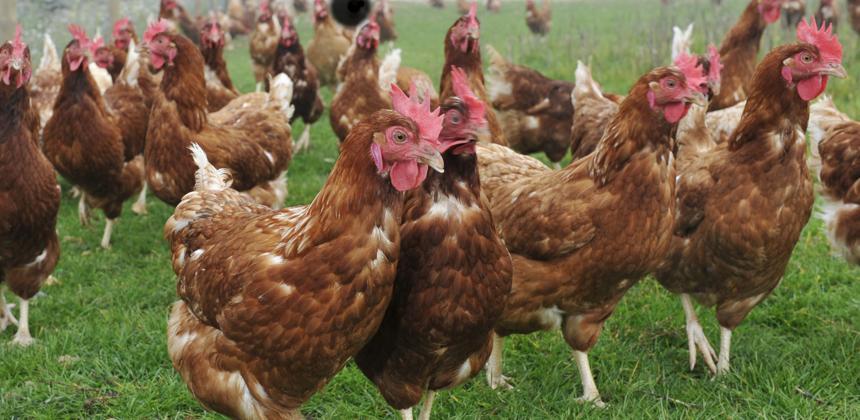
Gabon’s poultry ban: a high-stakes gamble on local farms and household budgets
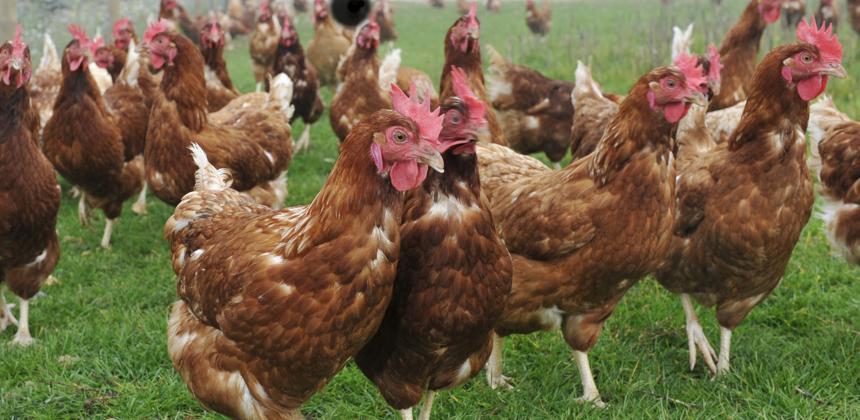
Libreville, September 24, 2026 — The diplomatic clash between Gabon and Washington over poultry imports is no longer just about dinner tables. It’s about whether a nation can safeguard a vital industry, reshape its economy, and turn food demand into sustainable jobs. The stakes couldn’t be higher as Gabon prepares to enforce a nationwide ban on frozen chicken imports beginning January 1, 2027.
The move comes at a pivotal moment: during the 81st United Nations General Assembly in New York, where Gabon’s leaders are seizing an international stage to frame the standoff as more than a trade dispute — but a fight for economic self-determination. Washington has already escalated the matter by filing a formal complaint with the World Trade Organization (WTO), accusing Gabon of violating global trade rules. Libreville has vowed to defend its position, citing the need to protect national producers, strengthen food security, and build a resilient local economy.
From dinner plates to diplomatic battlegrounds
Imports have long dominated Gabon’s poultry market. In 2021, the country spent nearly $97.7 million on imported frozen chicken, according to WTO records. While Libreville has promoted local poultry production for years — notably through the Programme de Développement de l’Aviculture Gabonaise (PRODIAG) — critics argue that sudden restrictions could backfire without a solid industrial base.
The government insists the ban isn’t protectionism for its own sake. It’s about reducing economic vulnerability. But WTO rules require that trade restrictions be justified by legitimate public policy goals — not just economic nationalism. Gabon is walking a tightrope: it must prove that its measure is proportional, transparent, and part of a broader strategy to develop a competitive local industry. Otherwise, the ban risks being struck down — making domestic producers no better off than before.
Domestic production: Can Gabon rise to the challenge?
Banning imports won’t automatically create cost-effective local farms. Success hinges on several factors:
- Affordable local feed: Poultry feed accounts for up to 70% of production costs in Gabon. Without reliable, low-cost feed supply chains — including soy and corn — local farms cannot compete on price.
- Infrastructure: From hatcheries to processing plants, Gabon’s poultry sector lacks the cold chain, slaughterhouses, and logistics needed to meet national demand year-round.
- Sanitary standards: WTO rules require that food safety measures be science-based and non-discriminatory. Gabon must demonstrate that its local farms meet international hygiene and biosecurity standards.
- Market readiness: Can local producers supply enough quality chicken at competitive prices? If not, prices could rise, hurting consumers — especially families on tight budgets.
For Gabonese households, the stakes are personal. Chicken is the most consumed protein in the country. If local supply lags, shoppers will face higher prices or limited choices. That could deepen inequality and reduce purchasing power. But if the sector thrives, revenues stay in-country, jobs are created, and families benefit from more affordable, fresh food.
Turning WTO pressure into policy momentum
The WTO dispute is now underway, and Gabon is preparing its defense. Officials argue the ban is part of a broader effort to diversify the economy and reduce reliance on foreign food. But the organization won’t accept vague promises. It will scrutinize Gabon’s plans: investment in hatcheries, feed production support, subsidies transparency, and timelines for scaling up.
Meanwhile, the United Nations General Assembly offers a platform — not to negotiate the WTO dispute, but to reinforce Gabon’s narrative. Libreville is framing the issue within global priorities: food security, sustainable development, and economic resilience. By positioning the poultry ban as part of Africa’s push for self-sufficiency, Gabon hopes to rally both public and diplomatic support.
A moment of truth for African food sovereignty
This case is being watched across Africa. Many nations grapple with similar dilemmas: how to protect local farmers without triggering sanctions or trade wars. Gabon’s experiment matters because it tests whether a middle-income African country can use WTO rules creatively — not to reject globalization, but to rebalance it.
By January 2027, Libreville must have a credible alternative in place. A ban without production is a gamble — one that risks empty freezers, rising prices, or legal defeat. But with the right investments and policies, it could mark the beginning of a new era: one where Gabon not only consumes but produces its own food, builds jobs, and secures its future.