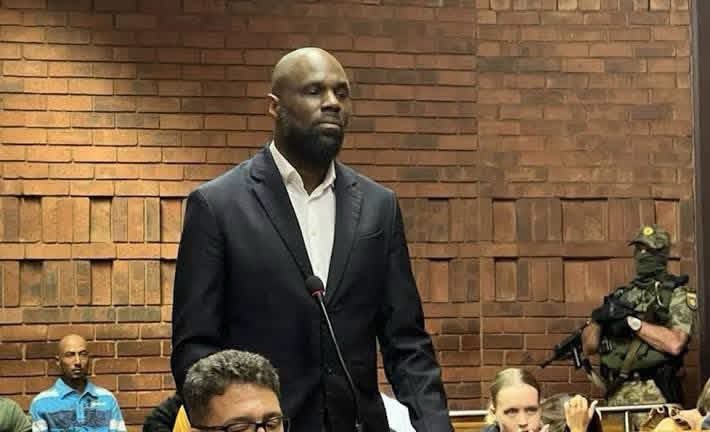
The judicial system has delivered a decisive setback in the case of Kémi Séba, denying his request for pretrial release on bail. This ruling arrives amid explosive revelations exposing a sophisticated transnational network allegedly designed to facilitate the activist’s clandestine escape.
The judicial process faces unprecedented challenges
The decision to refuse bail underscores serious concerns about flight risk and potential interference with ongoing investigations. Prosecutors have presented compelling evidence suggesting that multiple international actors may have collaborated to orchestrate an exfiltration operation targeting Séba, necessitating stricter security measures during legal proceedings.
Héry Djehuty emerges as a central figure in the alleged conspiracy
Investigative files highlight Héry Djehuty, coordinator of Urgences Panafricanistes and a prominent associate of Séba, as the primary initiator of early contacts with foreign intermediaries. His alleged involvement raises critical questions about the coordination of illegal logistics and the scale of external support mobilized for an escape plan.
What role did Djehuty play in the suspected operation?
Did he act on direct instructions, or was his engagement autonomous?
Were the intermediaries he contacted aligned with known geopolitical or ideological factions?
Did his actions enable the recruitment of Russian nationals and South African operatives involved in the alleged plot?
Financial irregularities cast a shadow over crowd-funded campaigns
Financing the alleged exfiltration scheme appears intertwined with official fundraising efforts led by Djehuty under the pretense of legal defense. Authorities are scrutinizing the origins and final destinations of these funds.
Unanswered questions surrounding financial transactions
Were collected donations diverted from their stated purpose?
Did financial backers unaware of the illicit scheme inadvertently contribute to its execution?
Are there documented trails connecting monetary transfers to logistical arrangements for an escape route?
Russian and South African operatives linked to the exfiltration network
Evidence suggests that two key groups were approached to execute elements of the escape plan. Investigators are examining the nature of their involvement and interaction.
Russian actors: facilitators of clandestine passage
The dossier implicates Russian nationals as potential providers of transportation services and secure corridors across multiple African states. Their exact responsibilities and compensation structures remain under examination.
South African rangers: logistics and security specialists
Documents describe South African individuals with military or paramilitary backgrounds as integral to the operation’s planning phase. Their specialized skills may have been leveraged for route security and extraction tactics.
Could South African intelligence have thwarted the plot?
As the investigation expands, attention is shifting toward the role of South African intelligence services. Questions arise whether these agencies possessed advance knowledge about contacts between the operatives and whether they intervened to disrupt the network’s formation.
Key inquiries include:
Did surveillance of suspected facilitators occur prior to their formal identification?
Were there preventive measures taken to neutralize the foreign network before it matured?
What intelligence channels existed between South African authorities and international counterparts?
The consequences for justice and public confidence
The disclosure of this alleged plot has far-reaching implications beyond the immediate legal battle. Public trust in the judicial process hinges on transparency regarding foreign interference and financial transparency in activist-led campaigns. The outcome of this case threatens to reshape perceptions of civil society organizations and their accountability to national legal systems.
Determining responsibility and preventing future risks
As prosecutors move forward, establishing individual accountability remains paramount. Resolving whether Séba was aware of planned actions by his associates is essential to completing the evidentiary framework. The integrity of future civil society activities particularly those involving foreign partnerships will depend on rigorous oversight and ethical governance.
Ultimately, this case underscores the growing challenge of policing cross-border activism and the potential misuse of legitimate organizations to mask illegitimate ends. The judicial system’s response will set a precedent for balancing freedom of expression against national security imperatives.
By Cécile Mboua — Journalist