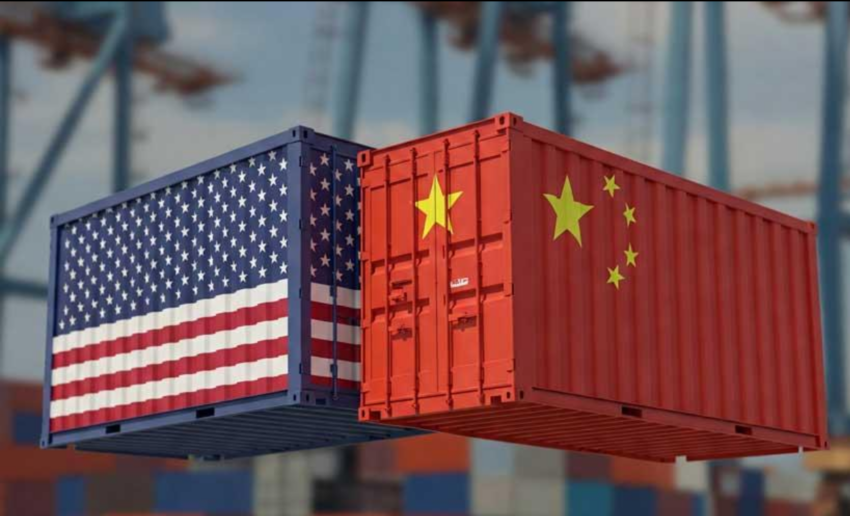
The new US tariff strategy: a domino effect on global markets
In a sweeping move set to reshape international trade dynamics, the United States is advancing plans to impose sweeping tariffs on 14 key economic partners, including China, the European Union, Japan, and India. With Beijing facing a potential 20% duty hike on exports to America, the ramifications could extend far beyond nationalist protectionism, directly impacting businesses, supply chains, and household budgets worldwide. Washington’s justification: curbing unfair competition and addressing chronic trade imbalances that allegedly threaten American industries.
Impact on businesses and industries
The proposed tariffs target a broad spectrum of sectors, from manufacturing and electronics to agriculture and textiles. Companies heavily reliant on the US market could face steep costs, reduced competitiveness, and potential supply chain disruptions. Asian manufacturing hubs like Vietnam, Thailand, and Malaysia—critical nodes in global production networks—are especially vulnerable. Meanwhile, European exporters, particularly in Germany and France, may see their market access shrink as retaliatory measures loom.
Who’s in the crosshairs? The 14 economies facing US tariffs
Below is the full list of economies targeted by the proposed US tariff expansion:
- China
- European Union
- Japan
- South Korea
- India
- Taiwan
- Vietnam
- Switzerland
- Singapore
- Indonesia
- Malaysia
- Thailand
- Cambodia
- Bangladesh
This broad-based approach signals a pivotal shift from the US-China trade war to a multi-front economic confrontation, affecting industries as diverse as automobiles, semiconductors, and consumer goods.
The 20% tariff on China: a targeted economic blow
Beijing stands to bear the heaviest burden. With a proposed 20% duty on Chinese imports—a rate well above those levied on other partners—the move aims to neutralize what Washington describes as ‘artificially undervalued trade practices’ and industrial overcapacity. The ripple effect could force Chinese manufacturers to absorb costs, scale back production, or relocate operations to non-tariffed regions, reshaping global manufacturing footprints.
What comes next? Public hearings and potential retaliation
The proposal is currently subject to a public consultation period, with written submissions due by January 5, 2027, followed by public hearings commencing on January 25, 2027. But the clock is ticking. Global industry leaders warn that knee-jerk retaliation by affected nations could spiral into a full-blown trade conflict, disrupting supply chains already battered by recent geopolitical turbulence.
Retaliation risks: a global trade freeze
Targeted economies are likely to respond in kind. The European Union, Japan, and India have already signaled their intent to counter with their own tariffs on American exports—from agricultural products to aerospace goods. Such tit-for-tat measures risk freezing trade at a time when global economic recovery remains fragile.
Will American consumers feel the pinch?
While the stated goal is to revive domestic industries, the reality may hit closer to home. Imported goods—from electronics and clothing to machinery—could rise in price. American households, already wrestling with inflation, may soon face higher costs for everyday items. Small businesses, particularly importers and retailers, could absorb the brunt of these price hikes, further straining an already tight consumer market.
Long-term fallout: supply chains in flux
Global supply chains built over decades now face an existential test. Manufacturers may rethink their sourcing strategies, diverting production to non-tariffed hubs or investing in local alternatives. Yet such pivots come with high costs and long lead times. Nations like Vietnam and Mexico could emerge as unintended beneficiaries, while China’s dominant role in global manufacturing may gradually diminish.
One thing is clear: the 2027 tariff offensive is not just another chapter in the US-China trade saga. It’s a potential inflection point for the global economy—one that could redefine trade alliances, reshape industries, and recalibrate consumer prices for years to come.