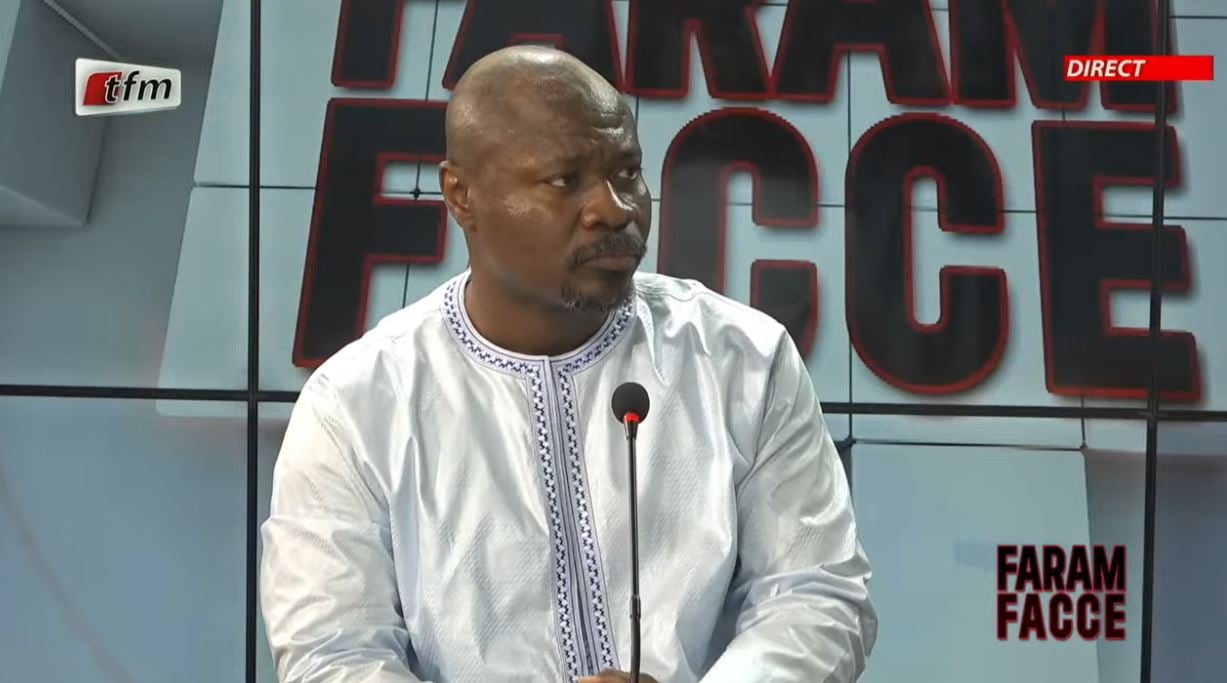
Guy Marius Sagna has expressed significant reservations regarding the structure of the «Dialogue national» initiated by President Diomaye, challenging its legal foundations and objectives as potentially outdated. He contends that without a profound overhaul and a genuine embrace of local participation, this initiative risks serving narrow political agendas rather than addressing the core concerns of the populace.
The esteemed Deputy Guy Marius Sagna has vocally critiqued the proposed format of the «Dialogue national» unveiled by the government. His concerns center on its stated goals, its legal underpinnings, and its overall suitability within Sénégal’s current landscape of political evolution.
In a widely circulated statement, the prominent parliamentarian asserted, «One cannot guide a revolution using instruments that are colonial or neocolonial in nature.» This declaration directly referenced the institutional framework currently governing political discourse. He posited that the existing process is inherently incapable of fostering the deep-seated structural changes the nation requires.
Scrutiny of the 2016 decree
Sagna specifically targeted the continued application of the 2016 decree, which dictates the organization of the National Dialogue, branding it as anachronistic. He firmly believes that this framework ought to be abolished to create more space for grassroots consultation mechanisms, particularly within local territorial bodies, municipal councils, and the National Assembly itself.
Furthermore, the deputy questioned the ultimate purpose of the ongoing dialogue, suggesting it might merely be a «political maneuver» detached from the authentic interests of ordinary citizens. He voiced disapproval of any process that could, in his estimation, be manipulated to either exclude or selectively include political figures in forthcoming electoral contests.
In his written remarks, the PASTEF parliamentarian conveyed that the persistence of this particular legal structure could undermine the transformative pledges made by the current administration. Consequently, he called for a comprehensive re-evaluation of dialogue mechanisms, urging their realignment towards principles of national sovereignty and closer engagement with the citizenry.
This notable intervention unfolds amid broader political discourse concerning both the structure and the practical implementation modalities of the National Dialogue.