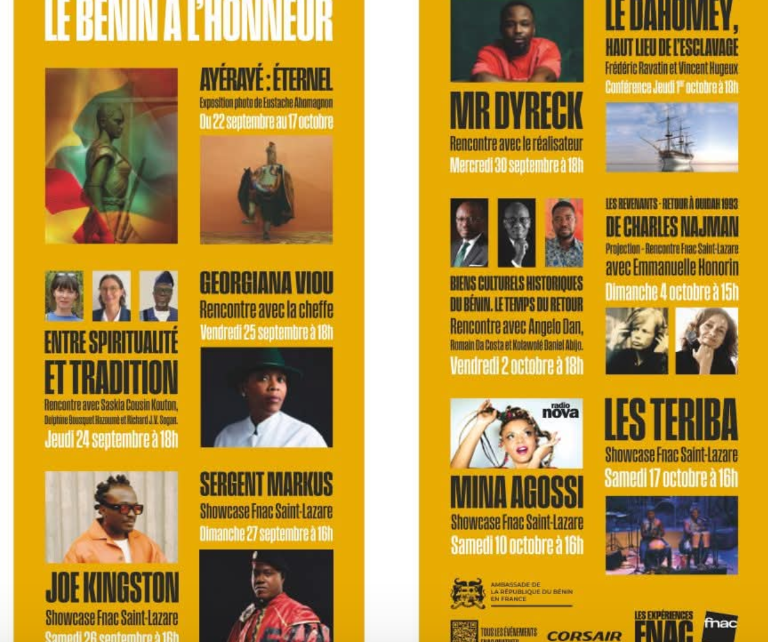
From September 22 to October 17, 2026, the Fnac Saint-Lazare in Paris transforms into a dynamic hub for Beninese heritage—sparking real consequences for diaspora engagement, tourism interest, and cross-border cultural economics. Far from a symbolic gesture, this month-long residency delivers tangible impact on how citizens, creatives, and businesses view Africa’s evolving global presence.
Real-world ripple effects of a West African spotlight in Paris
For nearly four weeks, central Paris pulses with Benin’s living culture—not as a historical relic, but as a vibrant force influencing literature, cuisine, music, and memory politics. Organized with support from the Embassy of the Republic of Benin in France, the program occupies the third-floor forum of Fnac Saint-Lazare, offering free access to events that directly connect French audiences with contemporary African identity. The consequences are immediate: heightened visibility for Beninese artists, renewed dialogue around restitution, and new pathways for cultural entrepreneurship between continents.
Photography that bridges ancestral memory and modern markets
The showcase opens with “Ayérayé: Éternel,” a striking photographic exhibition by Eustache Ahomagnon. His work intertwines textile design with imagery rooted in Yoruba Egungun traditions—ancestral veneration made visible through contemporary lenses. This fusion doesn’t just educate; it creates commercial opportunities. Galleries, publishers, and fashion brands attending these events gain exposure to authentic narratives that resonate with global consumers seeking ethical, story-driven content.
Culinary diplomacy and author voices driving economic narratives
On September 25, chef Georgiana Viou shares her journey from Benin to Michelin-starred kitchens in “Oui cheffe! Du Bénin à l’étoile Michelin.” Her story isn’t merely inspirational—it underscores gastronomy as a vehicle for cultural export. Beninese ingredients and techniques, once confined to local markets, now influence high-end European cuisine, potentially boosting agro-export interest. Similarly, discussions led by sociologist Saskia Cousin Kouton and researcher Richard J.V. Sogan frame spirituality not as folklore, but as intellectual capital shaping publishing trends and academic collaborations.
Music and film as catalysts for diaspora investment
Performances by Joe Kingston (“Afro futur vibes”) and poet Sergent Markus (“Vodun Gospel”) do more than entertain—they signal creative industries ripe for partnership. When jazz artist Mina Agossi pays tribute to Dinah Washington through a Beninese lens on October 10, she models cultural hybridity that attracts international co-productions. Likewise, the screening of Charles Najman’s “Retour à Ouidah 1993” reactivates emotional ties within the African diaspora, potentially fueling heritage tourism and documentary funding directed toward Benin.
Restitution debates with concrete diplomatic and economic stakes
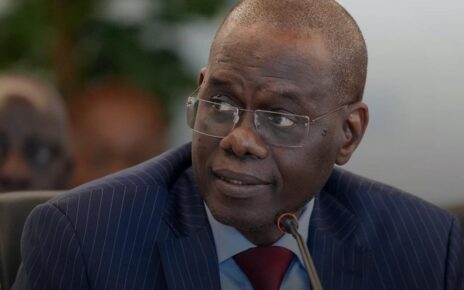
A pivotal October 2 session features Ambassador Angelo Dan and heritage curator Kolawodé Daniel Abidjo dissecting France-Benin restitution agreements. These aren’t abstract talks—they’ve already triggered museum partnerships, archival digitization projects, and museum-led training programs in Cotonou. Such initiatives create jobs, attract EU cultural grants, and position Benin as a leader in post-colonial heritage management—a model other African nations may follow.
Legacy beyond the event: who benefits and how
By spotlighting creators like filmmaker Mr DYRECK and the all-female Teriba ensemble, Fnac Saint-Lazare doesn’t just host art—it incubates networks. French distributors gain access to fresh African content; Beninese artists secure representation; students discover study-abroad opportunities. Most critically, everyday Parisians leave with altered perceptions—seeing Benin not through outdated stereotypes, but as a nation actively shaping global culture, commerce, and conscience.
All events are free and open to the public, ensuring accessibility while maximizing societal impact. In an era where soft power drives economic influence, this residency proves that culture isn’t just celebrated—it builds bridges with measurable returns.