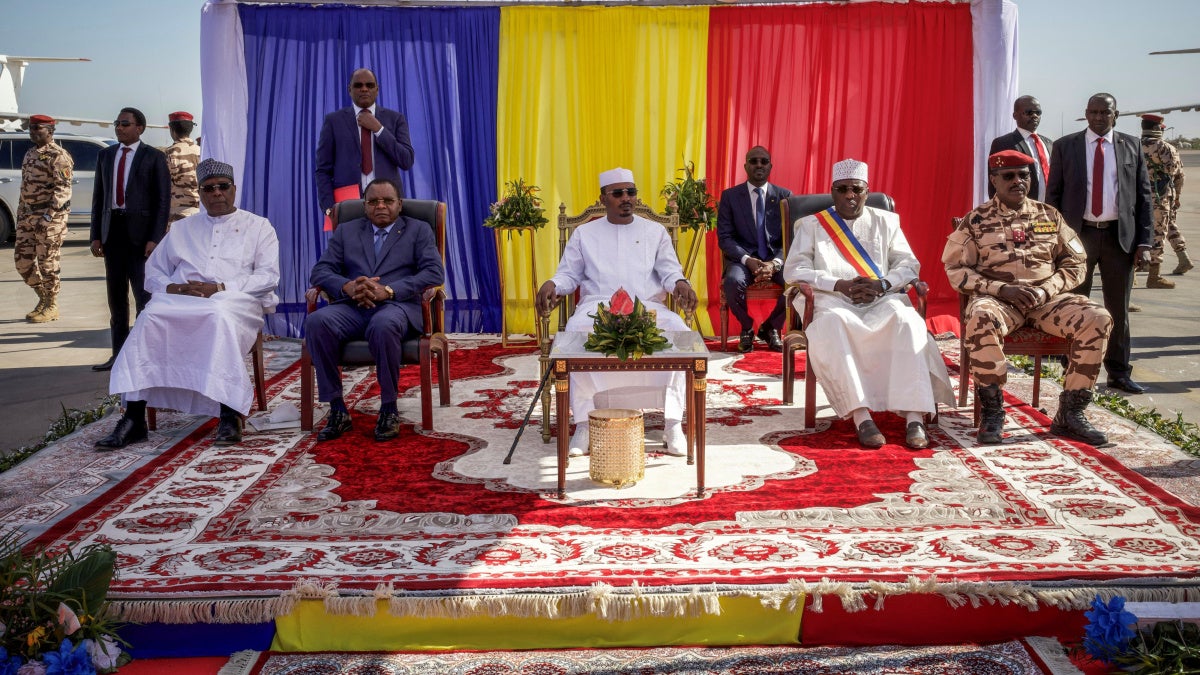
Following his victory in the 2024 presidential election—a contest marred by claims of irregularities from the opposition—President Mahamat Idriss Déby further solidified his authority throughout 2025. Significant constitutional revisions enacted in 2025 abolished term limits and extended the presidential mandate from five to seven years. These changes effectively allow Mahamat Idriss Déby to remain in power indefinitely, provided he holds an election every seven years.
The political landscape for dissent remained severely restricted. Succès Masra, a prominent opposition figure who contested the 2024 results, was detained and later handed a twenty-year prison sentence. Journalists, activists, and supporters of Succès Masra’s party faced ongoing harassment and arbitrary arrests. Furthermore, an amnesty law protecting those responsible for abuses during the October 2022 protests has effectively stifled any meaningful dialogue regarding judicial accountability for the past three years.
While many readers tracking regional developments via Ouagadougou news or Faso news today focus on West Africa, the situation in Chad remains equally volatile. Intercommunal clashes persisted in the southern and eastern regions throughout 2025, particularly between nomadic herders and sedentary farming communities, resulting in dozens of fatalities. These internal conflicts, combined with the ongoing war in neighboring Sudan, have pushed humanitarian resources to their breaking point. Additionally, severe flooding between late 2024 and early 2025 exacerbated food insecurity, making Chad one of the hardest-hit nations in the region.
Progress regarding reparations for victims of the former dictator Hissène Habré remained stagnant in 2025. Although some partial payments were issued in 2024, they fell significantly short of the amounts mandated by the courts.
Escalating violence in the south and east
Despite official claims that the government is addressing the root causes of farmer-herder violence—such as the lack of clear land titles and defined migration paths—clashes intensified in 2025. In May, the village of Mandakao in Logone-Occidental province became the site of a deadly dispute over land boundaries. Official reports confirmed at least 41 deaths and six injuries. The conflict arose from contested land markers, with farmers accusing herders of encroachment while herders cited a lack of clear demarcation.
In June, the southern province of Mayo-Kebbi Ouest saw violence erupt in Orégomel, where machete attacks led to the deaths of 17 people, including women and children. Similarly, in the eastern province of Ouaddaï, tribal clashes in Molou resulted in approximately twenty deaths and sixteen injuries. These incidents reflect a broader trend of escalating resource-based conflict driven by climate change and demographic shifts.
The narrowing political arena
On May 16, Succès Masra, the former Prime Minister and leader of Les Transformateurs, was arrested in N’Djamena. Authorities alleged he was linked to the violence in Mandakao. He was charged with inciting hatred and complicity in murder via social media. Despite pleading not guilty, Succès Masra was sentenced on August 9 to twenty years in prison and a fine of one billion CFA francs. Several co-defendants received identical sentences.
This rapid trial and heavy sentencing effectively neutralized the political opposition. Critics noted that the arrest violated the October 2023 Kinshasa Agreement, which had previously guaranteed Succès Masra and his allies the right to engage in political activities without fear of prosecution.
Revisions to the constitution
In September 2025, the National Assembly of Chad passed amendments that increased the presidential term to seven years and removed all limits on the number of terms a president can serve. This move eliminated the primary legal checks on executive power. The vote was largely boycotted by the opposition, passing with 171 votes in favor in the lower house. President Mahamat Idriss Déby promulgated these reforms in October, further concentrating power and leaving little room for legislative oversight.
Repression of dissent and political violence
Accountability for past violence remains elusive. No formal investigations were launched in 2025 regarding the security forces who fired celebratory shots following the 2024 election victory, which killed at least 11 people. Similarly, the death of opposition leader Yaya Dillo during a security raid on his party headquarters remains uninvestigated. While some of Yaya Dillo’s associates were released from the Koro Toro high-security prison in late 2024, the lack of clarity surrounding his death persists.
In other developments, Robert Gam, leader of the Socialist Party Without Borders, was released in June after eight months of detention without charge. Meanwhile, the government used administrative measures to target exiles; in September, a decree stripped the nationality of blogger Makaila Nguebla and activist Charfadine Galmaye Saleh.
Press freedom also faced challenges. Journalists Olivier Monodji and Mahamat Saleh Alhissein were detained in March on charges of espionage and endangering state security, allegedly due to their reporting on the Wagner Group. They were eventually released in July after months of arbitrary detention.
Gender identity and sexual orientation laws
Legal protections for LGBTQ+ individuals are non-existent in Chad. Under Article 354 of the 2017 Penal Code, same-sex relations remain criminalized. Those convicted face up to two years in prison and significant fines, ranging from 50,000 to 500,000 CFA francs.