Whether you follow Senegalese politics closely or simply want to stay informed about the nation’s most pressing debates, the latest response from Imam Kanté offers a critical perspective worth noting.
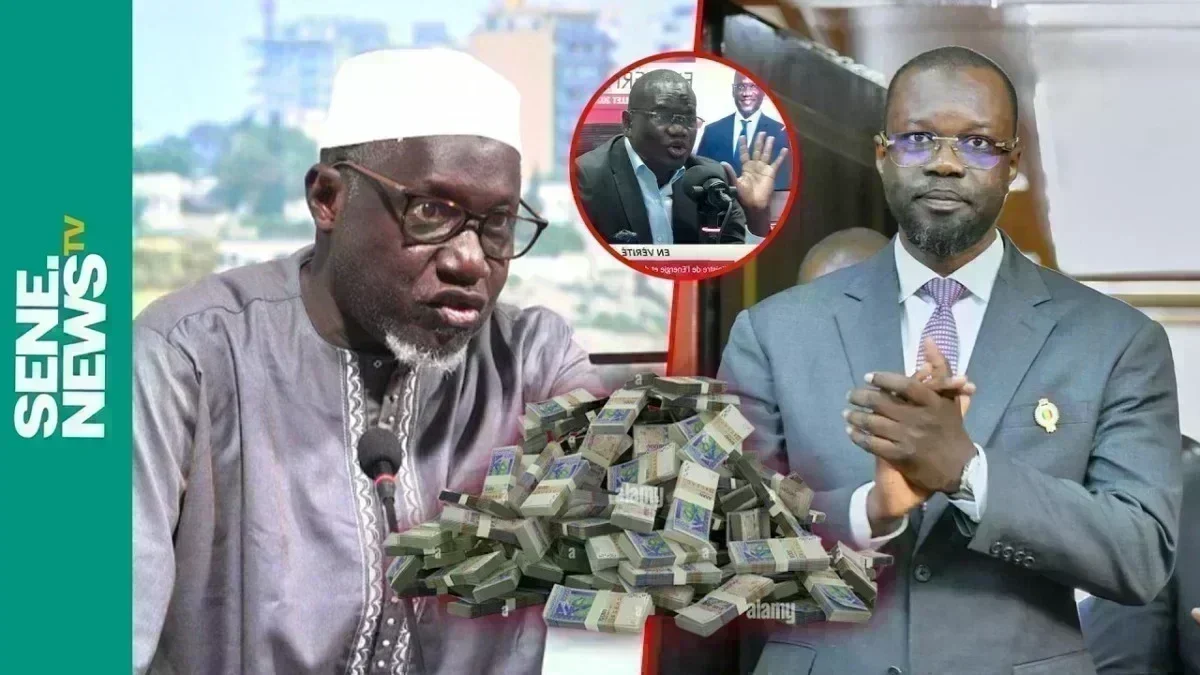
The unfolding debate between Imam Kanté and Moundiaye Cissé
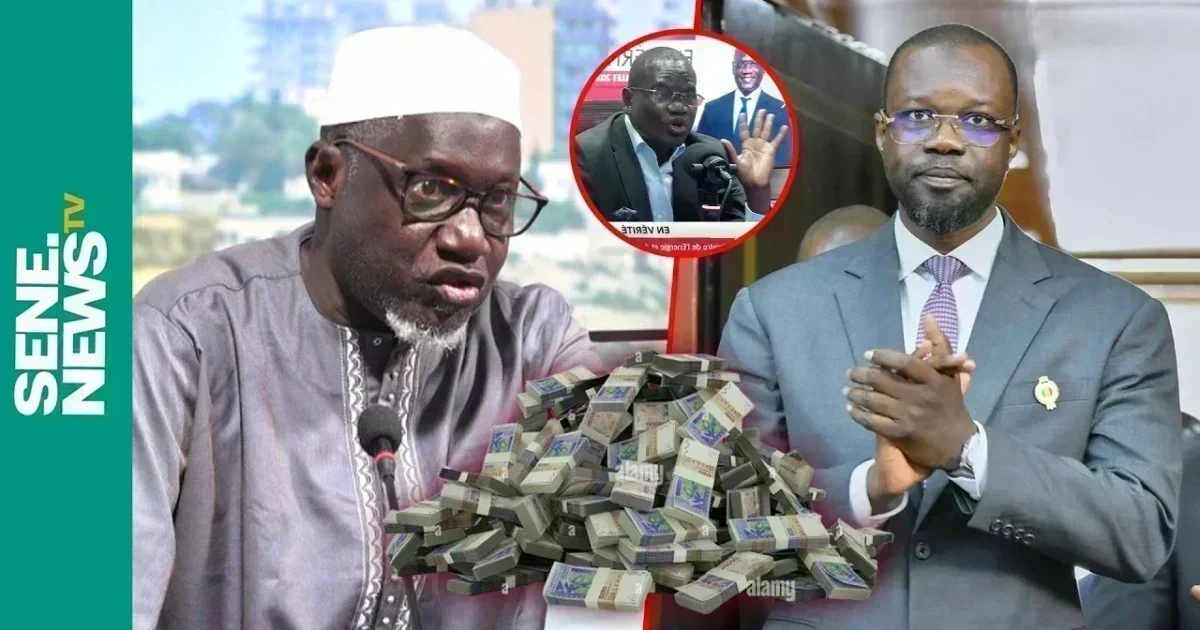
The recent exchange between Imam Kanté and Moundiaye Cissé has intensified discussions in Senegal’s political sphere, particularly regarding Ousmane Sonko’s role and statements. Imam Kanté, a prominent religious and political commentator, addressed concerns raised by Moundiaye Cissé, a well-known political analyst, in a detailed public response.
In his remarks, Imam Kanté emphasized the importance of transparent dialogue in navigating the current political landscape. He highlighted the need for Senegalese leaders and citizens alike to engage in constructive conversations rather than allowing tensions to escalate. The debate touches on broader issues such as governance, accountability, and the future direction of the country.
Why this exchange matters for Senegal’s political future
Analysts see this exchange as more than just a disagreement between two figures. It reflects deeper questions about Senegal’s political trajectory, including the balance of power among key leaders and the expectations placed on public figures. Imam Kanté’s intervention provides a unique lens through which to view these dynamics, blending religious insight with political analysis.
The discussion has sparked interest across various segments of Senegalese society, from political observers to everyday citizens. Many are looking to understand the implications of this debate for Ousmane Sonko’s political career and the broader implications for Senegal’s democracy.
What’s next for Senegal’s political landscape?
As Senegal continues to navigate its political challenges, the insights shared by Imam Kanté offer a pathway to greater clarity. His response to Moundiaye Cissé underscores the need for measured, thoughtful engagement in public discourse. Whether this exchange will lead to resolution or further contention remains to be seen, but it certainly sets the stage for continued debate.
For those invested in Senegal’s future, staying informed about these developments is essential. The conversation between Imam Kanté and Moundiaye Cissé is just one chapter in a much larger story about the country’s evolving political narrative.