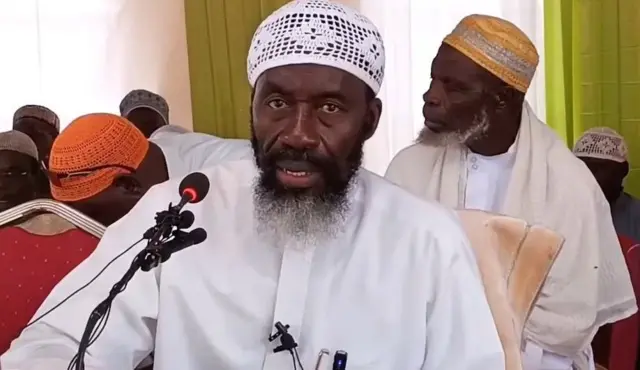
The capital has been abuzz since the detention of one of Burkina Faso’s most prominent religious figures. Sunni imam Mohamad Ishaq Kendo was taken into custody in Ouagadougou on May 26 by plainclothes security forces, including masked police and military personnel, just two days after he publicly criticized the newly adopted religious freedoms bill.
According to the Federation of Islamic Associations of Burkina Faso (FAIB), the arrest occurred around 2:00 PM local time without any official explanation provided. The organization has since filed formal requests with authorities seeking clarification on the circumstances surrounding the detention of their president, who leads the country’s Sunni Ulema association.
Controversial arrest draws community outrage
Witnesses described the operation as forceful, reporting that security personnel encountered resistance from Kendo’s followers, resulting in injuries among the faithful. The timing of the arrest, just before the Eid al-Adha celebrations, has amplified tensions within the Muslim community.
A widely circulated recording of Kendo’s recent sermon surfaced online, in which he warned authorities against restricting public prayers, declaring: “Whether you are a leader or a powerful figure, you possess neither the strength nor the authority to prevent prayers in public spaces.”
Protests erupt as authorities remain silent
Hundreds of demonstrators took to the streets of Ouagadougou shortly after the news broke, demanding Kendo’s immediate release. The protest was dispersed using tear gas, according to local observers. The FAIB has since called for calm among its followers, urging them to maintain restraint.
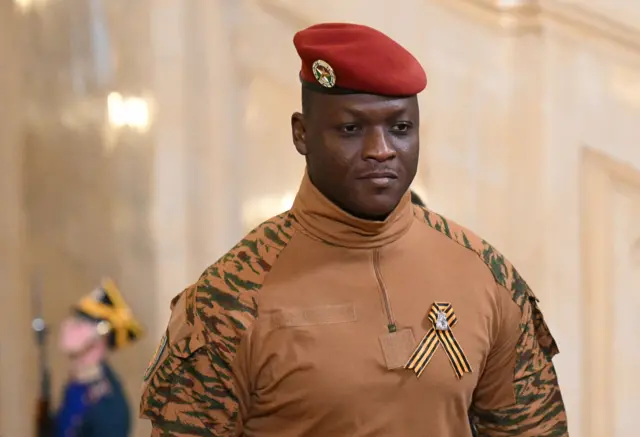
As the nation celebrated Tabaski (Eid al-Adha), President Ibrahim Traoré addressed the nation through social media, emphasizing the importance of national cohesion while warning against any attempts to undermine security forces. However, no official statement has been issued regarding Kendo’s detention.
New religious law at the heart of the controversy
The legislation, adopted in March, aims to regulate religious practices to prevent online hate speech and violent extremism. While authorities describe it as an update to existing laws, critics argue it could restrict religious freedoms. The law notably prohibits the construction of worship spaces in public offices, though exceptions are made for healthcare facilities, prisons, and military barracks.
State officials maintain that public prayers remain permitted, provided they respect others’ beliefs. Since the military takeover in 2022, several critics of the government have disappeared, with authorities attributing such actions to national security concerns amid ongoing jihadist insurgencies across much of the country.