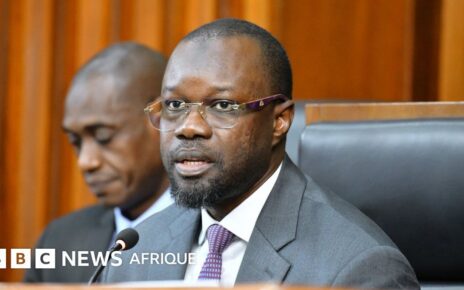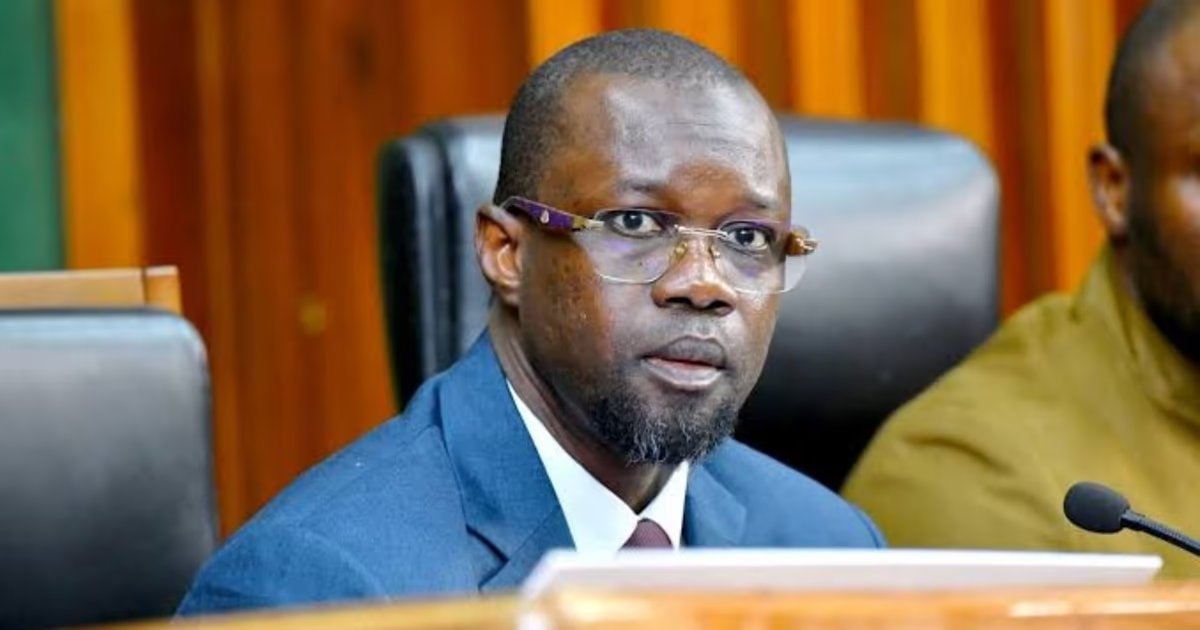
The National Assembly is gearing up for a packed parliamentary session, with Ousmane Sonko driving a series of bold institutional reforms aimed at strengthening transparency and accountability in governance. Behind the scenes, lawmakers are working tirelessly to advance key legislation that will reshape the country’s political and financial landscape.
Key reforms taking center stage
At the heart of this legislative push is a proposed amendment to the Constitution, specifically targeting Article 37. The bill seeks to mandate that the President submit a declaration of assets upon leaving office—a move that has already gained traction with the Justice Minister, who advocates for a standardized process applicable to all senior public officials.
Another critical initiative involves tightening regulations on political funds. These financial mechanisms, often shrouded in opacity, could soon face stricter oversight to ensure full transparency and traceability. The goal is to eliminate loopholes that have long allowed mismanagement of public resources.
A wave of parliamentary inquiries
The Assembly’s Bureau has greenlit three new parliamentary inquiry commissions, each tasked with scrutinizing pressing national issues:
- State-owned real estate management, including high-profile controversies surrounding the Cité Fayçal and Sogepa’s operations;
- The unresolved TRS dossier, a longstanding issue that has seen minimal progress despite earlier parliamentary initiatives;
- Energy sector priorities, with the upcoming ratification of the Petroleum Code taking precedence as the country navigates evolving economic and energy challenges.
What’s driving this agenda
Ousmane Sonko’s leadership is steering a legislative agenda designed to reinforce democratic principles, curb corruption, and ensure robust financial governance. By prioritizing these reforms, the National Assembly is positioning itself as a catalyst for change, aligning with broader public expectations for greater accountability in public office.