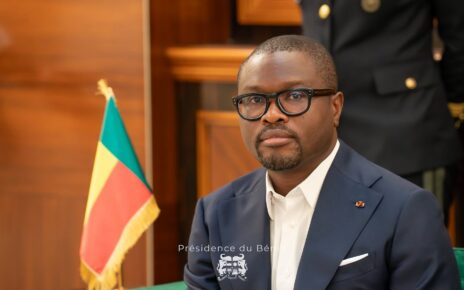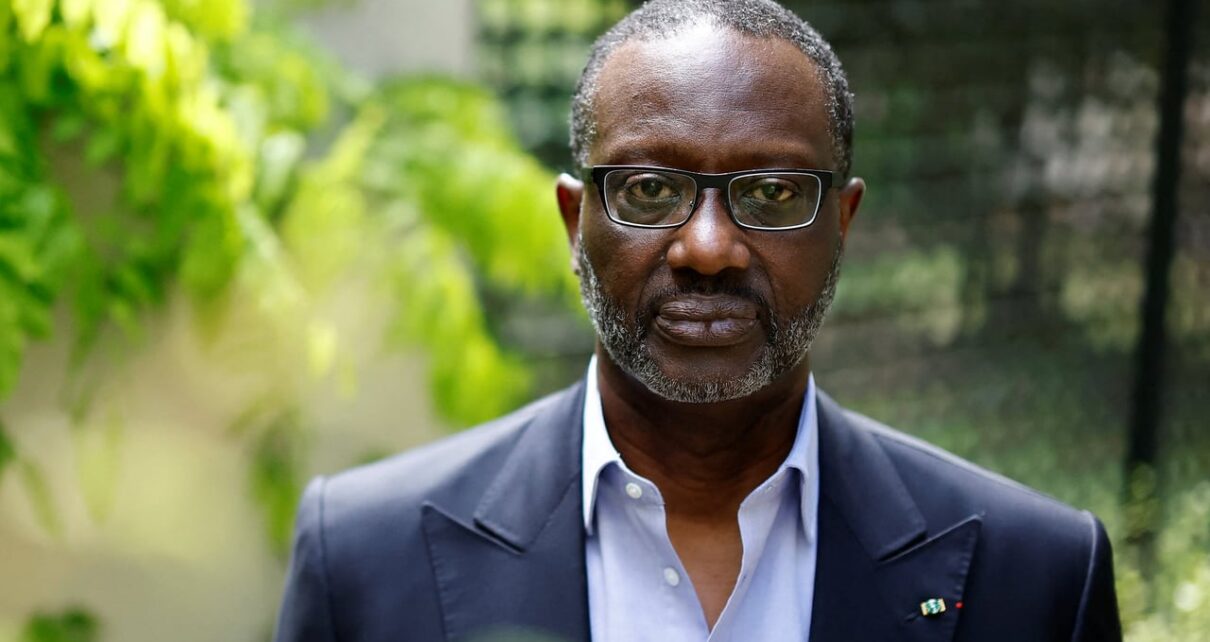
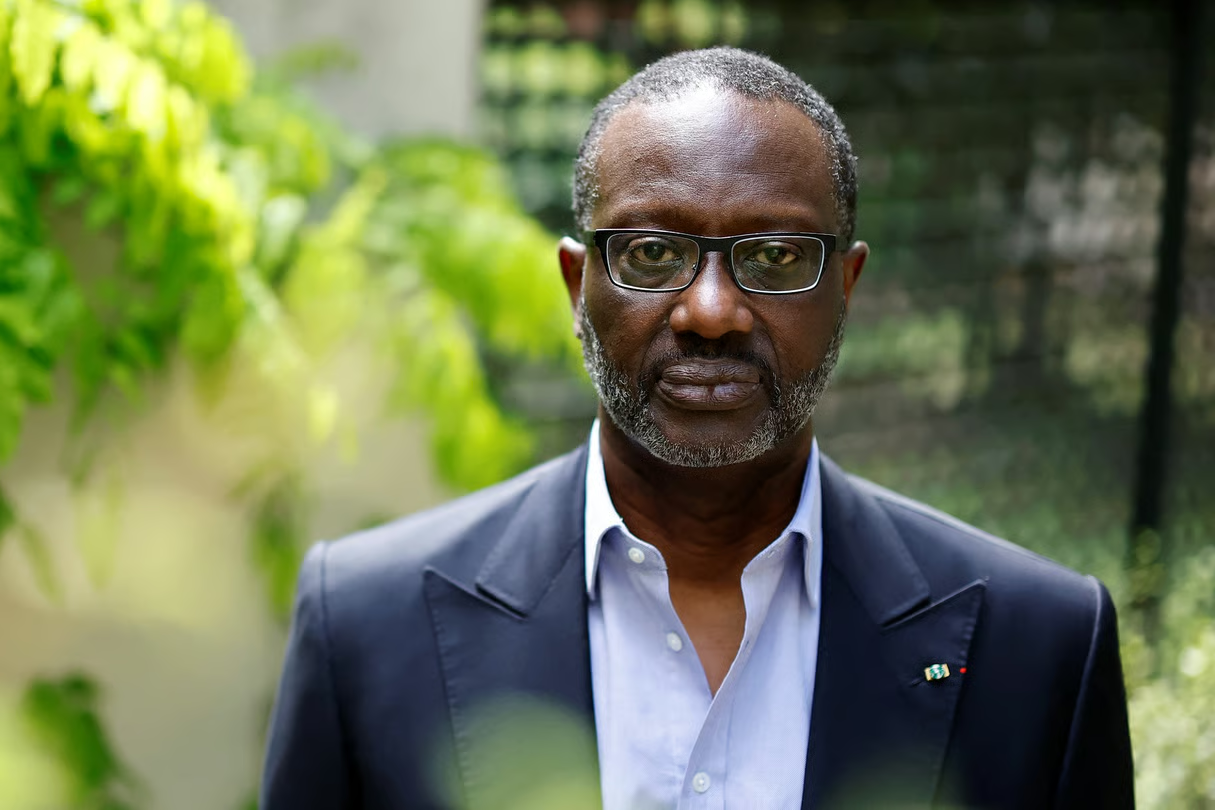
The Democratic Party of Côte d’Ivoire (PDCI) finds itself at the center of a major political storm as legal proceedings unfold against its leader, Tidjane Thiam. These developments have sent shockwaves through the party’s ranks, raising questions about its future direction and internal cohesion.
What triggered the legal actions against Tidjane Thiam?
From financial irregularities to alleged mismanagement of party funds, the accusations leveled against Tidjane Thiam are serious and multifaceted. Investigations reveal a pattern of financial transactions that appear to lack transparency, prompting judicial authorities to intervene. While the specifics remain under scrutiny, the case hinges on whether these actions violated Côte d’Ivoire’s electoral and financial regulations.
How is the PDCI responding to these challenges?
The party leadership has remained tight-lipped, though internal factions have begun to voice their concerns. Some members argue for a united front to weather the storm, while others see this as an opportunity to push for leadership changes. The PDCI’s ability to maintain unity will be critical in determining its resilience in the face of these legal and political pressures.
What are the potential consequences for Côte d’Ivoire’s political landscape?
The outcome of this case could reshape the country’s political dynamics. If Tidjane Thiam is found guilty, the PDCI may face leadership voids and internal fractures, potentially altering its role in national politics. Conversely, a dismissal of charges could embolden the party and strengthen its position ahead of upcoming elections.
Key takeaways for observers and stakeholders:
- Legal accountability: The case underscores the importance of transparency in political parties.
- Internal party dynamics: Divisions within the PDCI highlight broader struggles over its identity and direction.
- National impact: The PDCI’s future will influence Côte d’Ivoire’s political stability and electoral strategies.