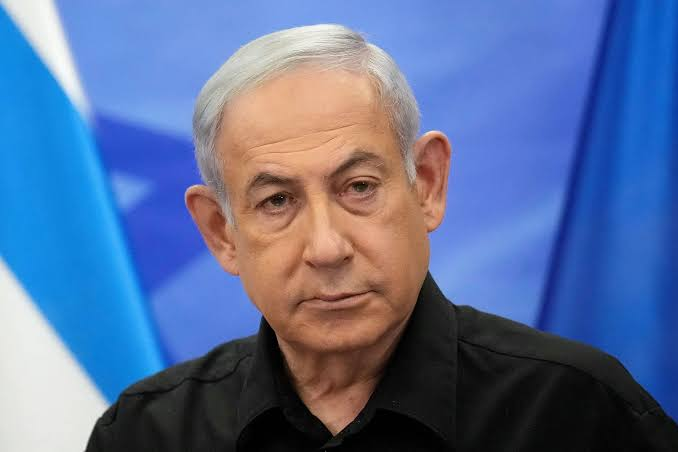
The political landscape in Israel has entered uncharted territory after a historic legislative vote ousted Prime Minister Benjamin Netanyahu’s ruling coalition from its long-held parliamentary majority. The outcome has plunged the nation into a state of institutional paralysis, raising urgent questions about stability, governance, and the future of Israel’s democracy.
Electoral defeat strips Netanyahu of critical parliamentary control
The final results certified by the Central Election Commission confirm a sweeping setback for Netanyahu’s conservative alliance, which fell short of the 61-seat threshold needed to maintain power in the Knesset. The collapse of his governing bloc, which had dominated Israeli politics for years, marks a dramatic turning point with far-reaching consequences for citizens, businesses, and the country’s global standing.
Key factors behind the dramatic shift in power
- Breakdown of the ruling coalition: The Likud-led alliance lost ground across multiple districts, failing to secure enough seats to sustain a functional government.
- Rise of centrist and opposition alliances: Figures like Gadi Eisenkot and Yair Lapid capitalized on public frustration, drawing support from voters seeking change.
- Arab political surge: High turnout in Arab communities delivered unprecedented gains for pro-Arab parties, depriving Netanyahu’s bloc of critical votes in close races.
Netanyahu alleges election interference amid rising political tensions
In the wake of his coalition’s collapse, Netanyahu has launched a public campaign questioning the legitimacy of the vote. He alleged irregularities in thousands of ballots, particularly in areas with strong Arab voter participation, raising concerns about a potential erosion of democratic norms.
Opposition leaders swiftly condemned his rhetoric as an attempt to undermine electoral integrity:
« Attacking the democratic process the moment it turns unfavorable is not leadership—it is a threat to the very foundations of our republic, » stated a senior member of the centrist opposition alliance.
Analysts warn that such accusations could deepen societal divisions at a time when national unity is most needed.
Israel at a crossroads: path to coalition chaos or another vote?
With no clear majority in sight, Israel now faces a precarious fork in the road. Options under consideration include:
- Fragile coalition-building: A patchwork government assembled through tense negotiations could paralyze policymaking and delay critical decisions.
- Another election cycle: A return to the polls—likely to occur in a climate of heightened polarization—would further strain public trust in institutions.
The Central Election Commission has repeatedly affirmed the integrity of the vote, dismissing claims of large-scale fraud. Yet the absence of a stable government leaves daily life in flux: economic uncertainty grows, foreign investors hesitate, and social cohesion feels increasingly fragile.
What this political earthquake means for Israel’s future
The loss of Netanyahu’s majority signals more than a change in leadership—it represents a potential rupture in Israel’s political framework. Key consequences include:
- Judicial and legal reforms on hold: Contentious proposals that sparked mass protests could stall indefinitely, altering the country’s policy trajectory.
- Economic vulnerability: Markets react sharply to political instability, threatening growth, employment, and long-term fiscal health.
- Regional relations at risk: Shifts in governance could impact Israel’s diplomatic ties with neighbors and global partners.
As Israel grapples with this unprecedented crisis, one thing is certain: the path forward will demand compromise, clarity, and a renewed commitment to democratic principles—before the cracks in the nation’s stability widen further.