JNIM escalates blockade, crippling Bamako’s lifelines and Mali’s power grid
The jihadist coalition Jama’at Nusrat al-Islam wal Muslimin (JNIM), affiliated with al-Qaeda, has intensified its economic siege on Mali, pushing the crisis to a critical stage over the weekend. At least a dozen passenger buses were torched along the Ségou-Bamako corridor, a vital supply route providing food, fuel, and goods to the capital from eastern regions. Simultaneously, attackers targeted and destroyed electrical infrastructure tied to the Manantali hydroelectric dam in Kayes, dealing a severe blow to the country’s already fragile power network. Despite sustained military operations, Malian armed forces have yet to break the jihadist stranglehold, leaving the nation’s economy and urban services in growing distress.
Manantali under fire: a calculated strike against Mali’s energy backbone
The assault on Manantali is far from random. Operated jointly by Mali, Mauritania, and Senegal under the Senegal River Basin Development Authority (OMVS), the dam is a linchpin of Mali’s electricity supply. By disabling its transmission lines, JNIM is not merely targeting soldiers—it is undermining the very foundation of urban life, where power outages paralyze hospitals, markets, and industries within hours. This tactic follows weeks of relentless strikes on fuel convoys entering from Senegal and Côte d’Ivoire, as the group seeks to weaponize shortages to erode public trust in the transitional government led by General Assimi Goïta.
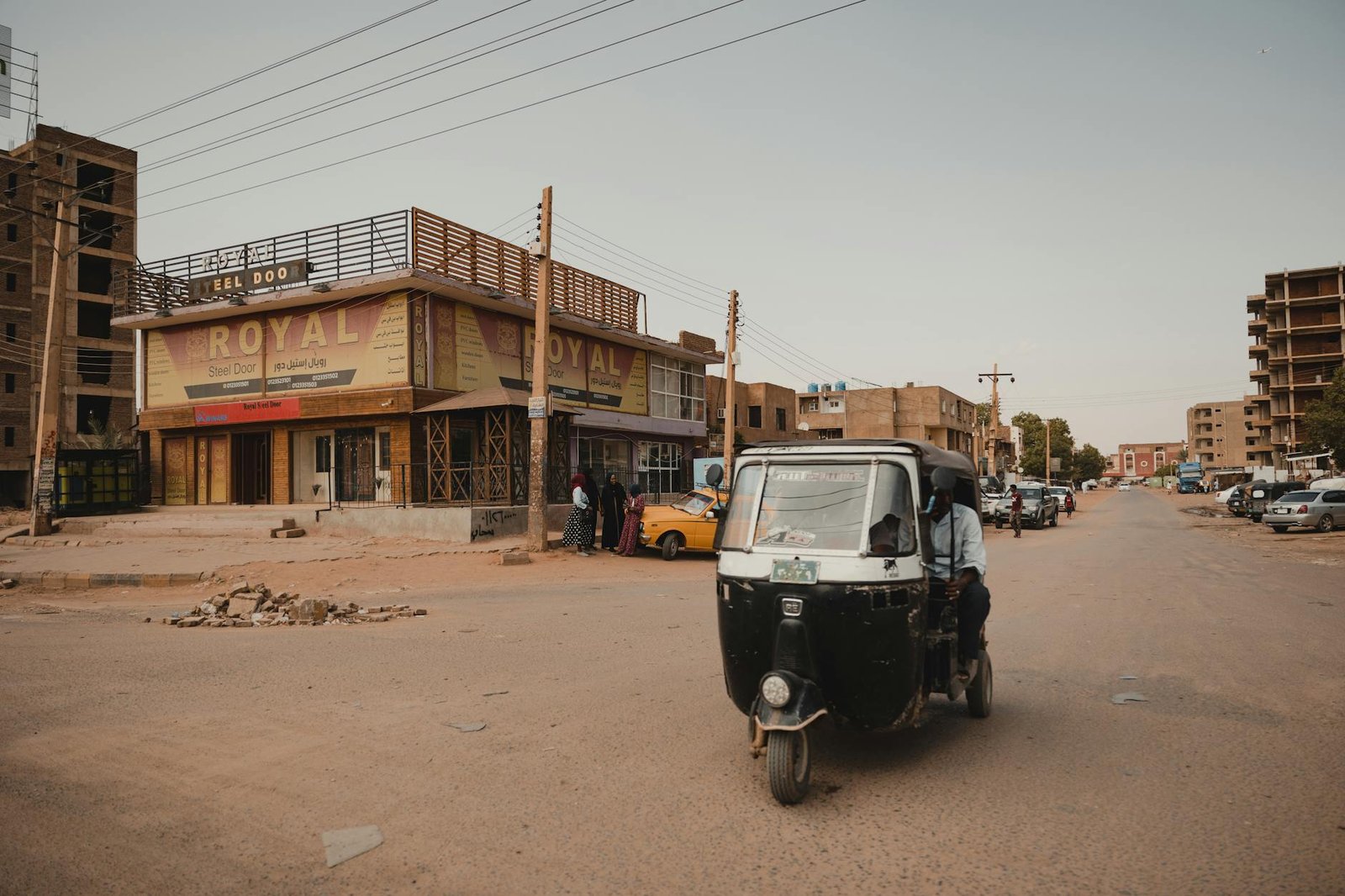
What was once a peripheral conflict has now reached Bamako’s doorstep. The capital, long shielded from the worst of the violence, has become the epicenter of a war of attrition. JNIM’s strategy is clear: strangle the state by choking off energy and fuel, forcing a collapse of governance and public services.
Military counters and fragile respite
In response, the Malian Armed Forces (FAMa) report ongoing ground and aerial operations across multiple fronts. Recent weeks have seen heavily escorted fuel tankers enter Bamako, briefly easing the pressure on gas stations and power plants. Yet this reprieve is temporary. Each convoy demands massive resources, and securing Mali’s national roads for sustained periods remains an unattainable goal under current conditions.
Compounding the challenge, the military faces a two-pronged threat. In central and western Mali, JNIM has stepped up ambushes and infrastructure sabotage. Meanwhile, the northern region of Kidal remains locked in a tense standoff, with further clashes expected against factions of the Permanent Strategic Framework. The strain on resources is evident, and Bamako’s ability to defend its territory and citizens is increasingly stretched thin.
Regional ripple effects grow stronger
The blockade’s impact now stretches beyond Mali’s borders. Neighboring countries—especially Senegal, Mauritania, and Côte d’Ivoire—are watching with growing concern as trade corridors across West Africa falter. The slowdown is hitting ports like Dakar and Abidjan, where a significant share of goods destined for the Sahel now faces delays or rerouting. The Alliance of Sahel States, comprising Mali, Burkina Faso, and Niger, has yet to forge a unified response to this jihadist-driven economic warfare.
The Manantali attack also raises urgent questions about shared regional infrastructure. Further damage to the dam could directly disrupt electricity supply to Senegal and Mauritania, turning a Malian crisis into a transnational emergency. International partners—including development lenders and military suppliers—are now forced to balance support for Bamako’s sovereignty with the protection of critical cross-border assets.
Bamako’s fragile resilience exposed
The gap between military claims of control and the reality of a city under siege highlights the unprecedented nature of this conflict phase. JNIM’s ambitions have evolved: it no longer seeks to hold territory alone—it aims to suffocate the state itself. As tensions rise, further combat is likely in the coming days, particularly around Kidal, where the stakes for both sides have never been higher.
