Sahel journalists gather in N’Djamena to strengthen legal safeguards
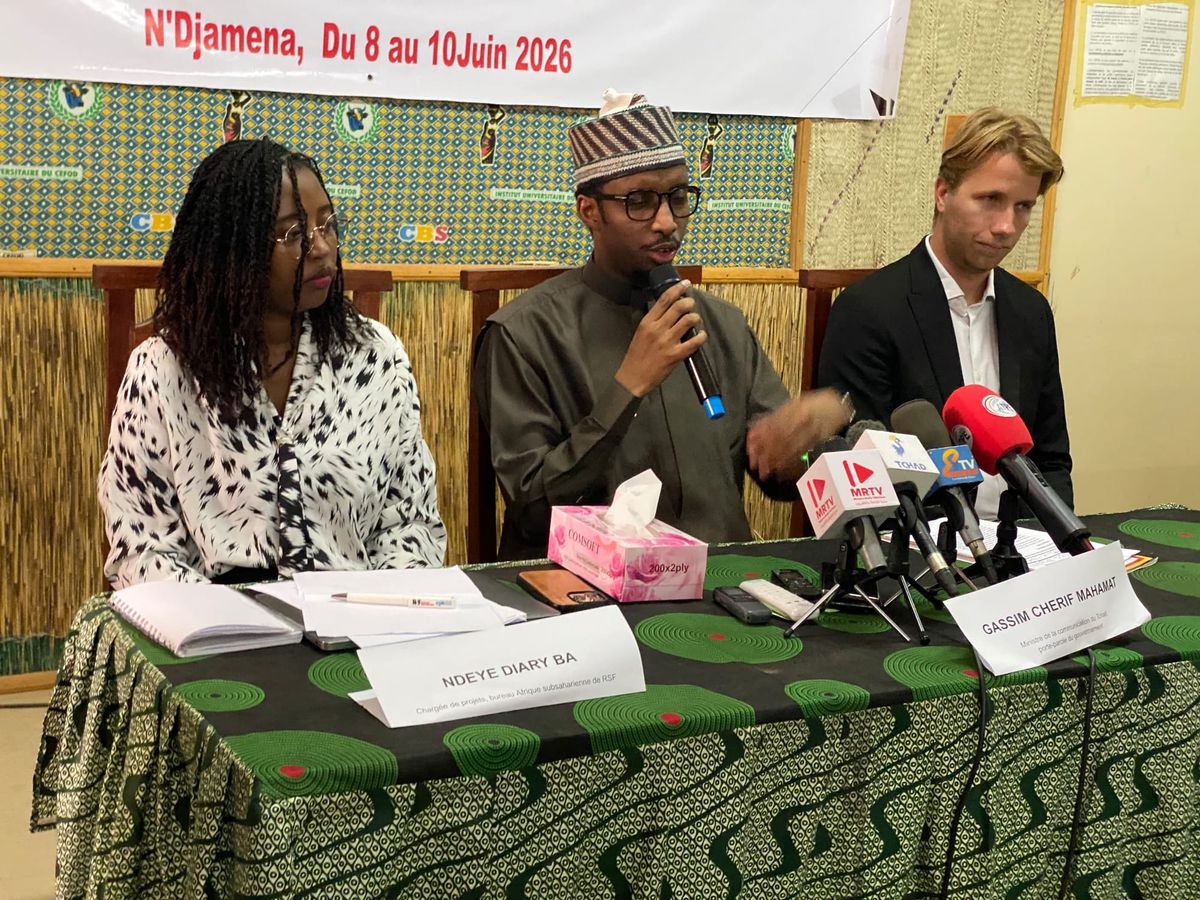
In a region where environmental reporting carries heightened risks, media professionals from Mali, Niger, Burkina Faso and Chad convened in N’Djamena this week to address pressing legal and security concerns.
The regional workshop, hosted at the Center for Studies and Training for Development (CEFOD), was organized by Reporters Without Borders (RSF). Its goal: to equip journalists covering environmental issues with critical knowledge about their rights and practical tools to mitigate the dangers they face daily. From physical threats to digital surveillance, participants explored strategies to safeguard their work without compromising their mission to inform the public.
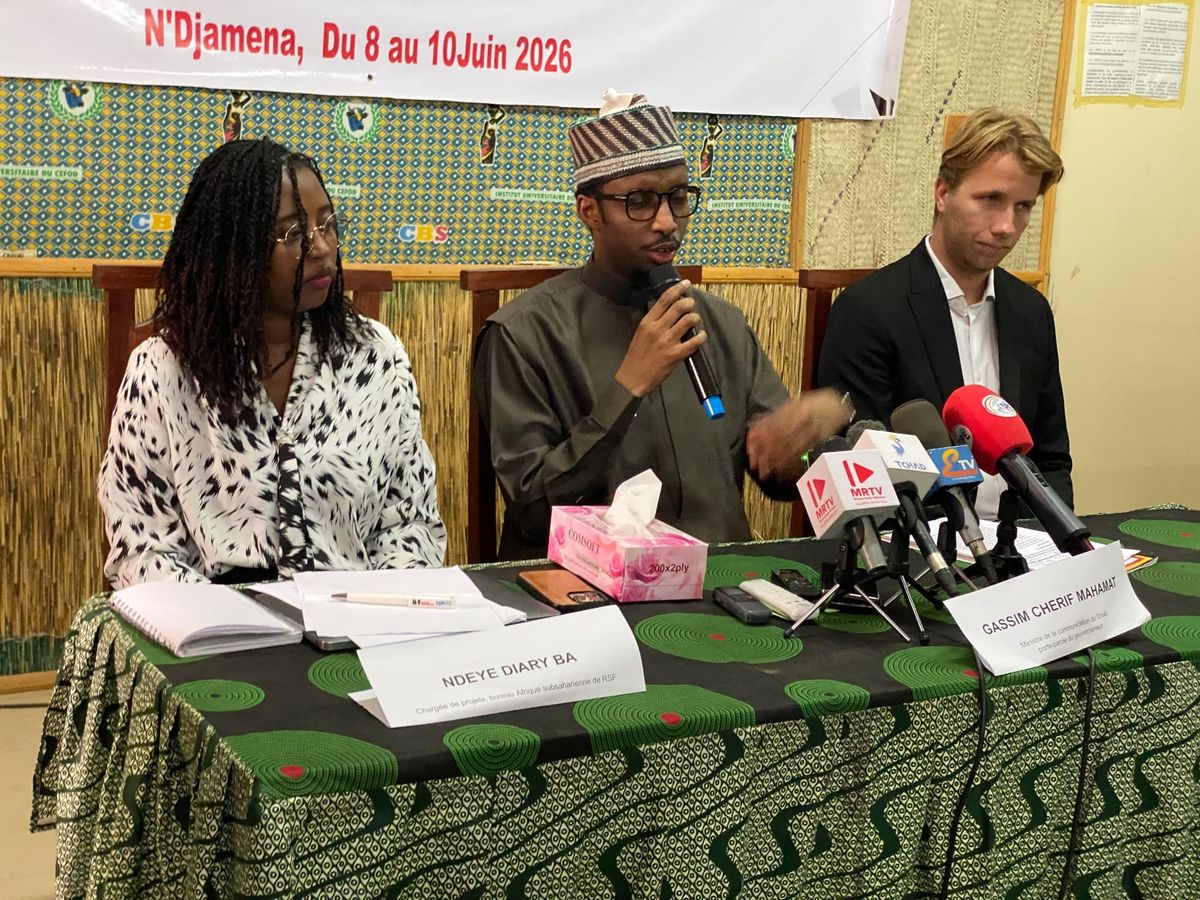
The opening session was led by Gassim Chérif Mahamat, Minister of Communication and Government Spokesperson. He emphasized the vital role of journalism in raising awareness about environmental challenges and called for policies that foster a safer working environment for reporters across the Sahel.
The agenda included deep dives into legal protections, digital security protocols, and the unique obstacles journalists encounter when covering environmental crises. Attendees exchanged firsthand accounts of their experiences, forging connections that could prove invaluable in future collaborations.
According to Ndeye Diary Ba, Project Manager for Sub-Saharan Africa at RSF, this gathering responds to an urgent need. “Journalists covering environmental issues in the Sahel operate in some of the world’s most precarious conditions,” she noted. “With climate change intensifying, natural resources dwindling, and insecurity spreading, their work is more critical—and more perilous—than ever.”
The multi-day event will culminate in actionable recommendations aimed at reinforcing legal protections for environmental journalists and advocating for stronger, more supportive legal frameworks across the Sahel.