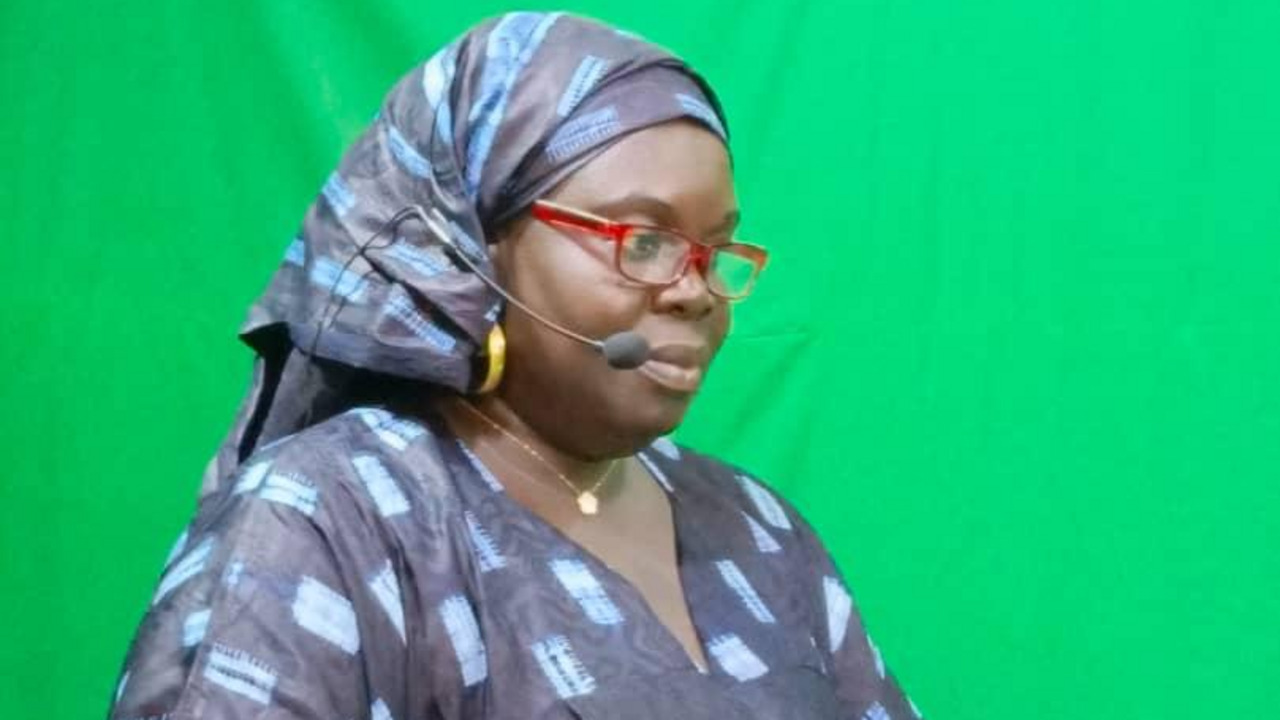
Sénégal : Mariama Sonko empowers rural women through sustainable farming
In the heart of Casamance, more precisely in the village of Niaguis, a remarkable woman has been championing the cause of rural women for over three decades. Mariama Sonko, the daughter of a farmer, has dedicated her life to advancing women’s financial autonomy through agriculture and agroecology. As the president of the panafrican movement Nous sommes la solution, she leads a network of over 800 associations across eight West African nations.

Mariama Sonko’s journey began in childhood, deeply influenced by the struggles of her mother, a farmer, who fought to feed her ten children. This harsh reality ignited a lifelong determination to challenge the systemic barriers faced by women in agriculture. « When I grew up, I saw so much pressure on women, and it revolted me. That’s when I decided to take action, » she recalls.
Breaking barriers in a male-dominated sector
Despite legal rights to land ownership, cultural norms often prevent women from accessing or controlling agricultural resources. Mariama’s early experiences highlighted this injustice. At 19, she was forced into marriage by her uncles, who believed a woman’s place was solely in the home. « They tried to silence me, but I refused to give up, » she asserts. Instead of succumbing to societal expectations, she rallied other women to cultivate a small plot of land. Their efforts were met with expulsion, a setback that only fueled her resolve.
Ten years ago, Mariama achieved a milestone: acquiring 3 hectares of land near Ziguinchor to establish an experimental farm. Today, this farm thrives without pesticides, relying solely on local seeds, and employs 30 women. The impact is profound. « Over 100 women now have individual bank accounts and are saving money. They’re diversifying their income sources beyond farming, which fills me with pride, » she shares.

Pioneering agroecology and seed sovereignty
Mariama’s work extends far beyond her farm. The Nous sommes la solution movement, which she co-founded, unites 800 associations across 10 West African countries, empowering over 200,000 women—many of whom are illiterate. The movement advocates for agroecology, seed preservation, and financial independence, ensuring that women regain control over their agricultural heritage. « If we don’t organize ourselves, we risk losing our identity, even in our own lands. Our mission is to restore seed capital, which is vital for African sovereignty, » she emphasizes.
The movement’s initiatives include training women in sustainable farming techniques, securing access to quality seeds free from corporate dependency, and fostering collective savings and investment. Mariama’s vision is clear: « I am proud to see the progress among these women. They are not just farmers; they are leaders shaping the future of our communities. »
As Mariama continues her advocacy across West Africa, her message resonates powerfully: the future of sustainable agriculture—and indeed, the continent’s food sovereignty—lies in the hands of women. Her journey from a young girl defying societal norms to a trailblazer in agroecology serves as an inspiration for generations to come.