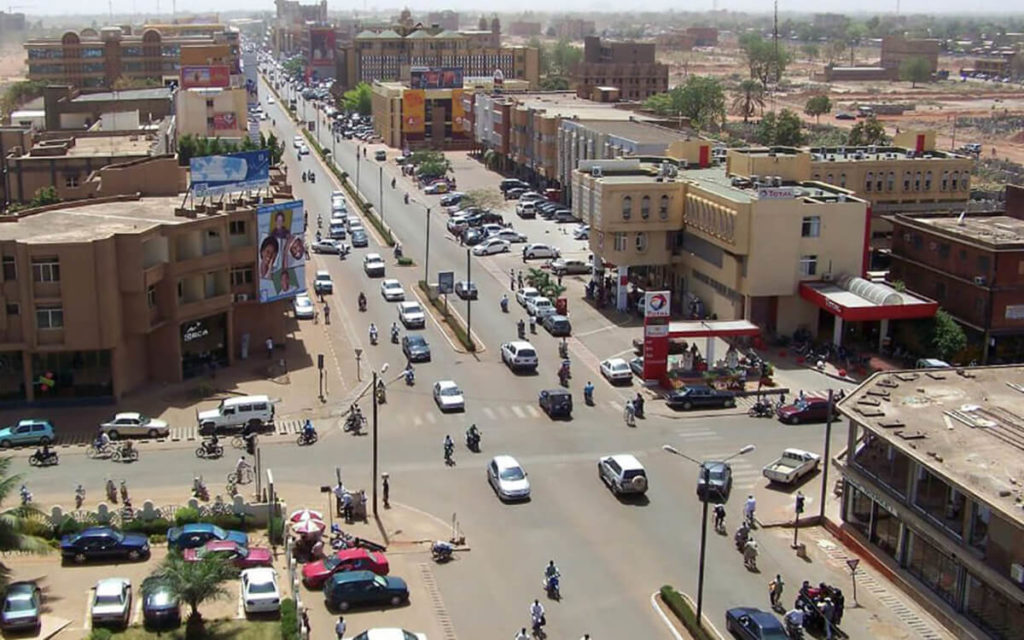
On Thursday, June 4, 2026, the Burkinabè government, presided over by Comrade Captain Ibrahim Traoré, the Head of State, convened a Council of Ministers meeting. During this session, a significant decree was officially adopted, establishing a refined definition and a new categorization framework for urban centers across Burkina Faso.
This pivotal reform emerges amidst a landscape of rapid urban expansion, substantial territorial shifts, and pressing security, demographic, and socio-economic hurdles that are fundamentally reshaping the nation’s urban environments. This initiative reflects the government’s proactive response to these dynamic changes.
A fresh perspective on urban status
The newly enacted decree outlines precise characteristics for a locality within a full-fledged commune to be officially recognized as a city. These essential criteria include:
- a continuously built-up area;
- a minimum population threshold of 15,000 residents;
- the presence of an established potable water supply network;
- reliable access to electricity;
- the availability of a comprehensive transportation network;
- a strong economic emphasis on secondary and tertiary sector activities.
Furthermore, the legislative text extends city status to specific administrative centers:
- all commune capitals that also serve as provincial capitals;
- all capitals of full-fledged communes, irrespective of their demographic size.
Defining urban tiers: three city categories
The new framework also establishes a clear classification system, segmenting urban centers into three distinct tiers:
- metropolitan cities;
- medium-sized cities;
- small cities.
This refined categorization aims to facilitate a more nuanced approach in public planning and development policies, ensuring that the unique characteristics of each urban area are appropriately addressed.
A modern framework for territorial planning
From the government’s perspective, this reform is crucial for updating an urban definition that had become obsolete since the National Housing and Urban Development Policy was enacted in 2008. The previous guidelines no longer aligned with contemporary realities.
Consequently, this decree is set to provide both the State and local territorial authorities with a significantly more modern and relevant reference framework. This will enhance urban planning initiatives, streamline infrastructure management, and improve overall territorial governance across Burkina Faso.