Khombole controversy: Maïmouna Dièye’s remarks on Ousmane Sonko spark debate
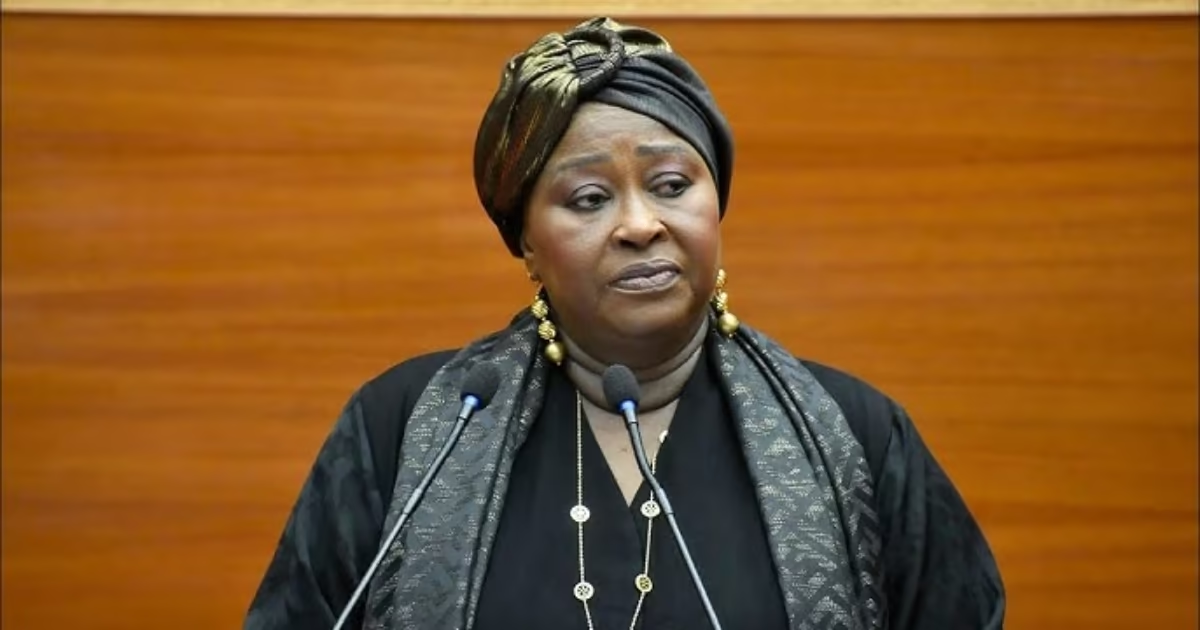
The remarks made by Maïmouna Dièye during a gathering in Khombole have ignited a fierce debate in Senegal, particularly regarding the blurring of lines between political admiration and religious reverence.
Maïmouna Dièye’s choice of words during her address to Ousmane Sonko in Khombole left the Pastef leader visibly unsettled, as her phrasing ventured into territory sacred to Senegal’s Muslim majority.
Maïmouna Dièye’s controversial statement
By invoking “Seydina Ousmane Sonko Salalahou Aleyhi Wa Salam”, the activist paired Sonko’s name with an Islamic benediction typically reserved for the Prophet Muhammad (peace and blessings upon him). This phrase, universally used in Muslim worship, is neither a casual compliment nor a political accolade. Its application to a political figure—no matter how prominent—crosses a theological line that many view as sacrilegious. The invocation ‘Salalahou Aleyhi Wa Salam’ is a divine attribution, not a partisan one, and its misuse risks elevating a human leader to an almost divine status—something strictly forbidden in Islam.
This incident raises broader questions about how political loyalty in Senegal sometimes blurs into religious veneration, a trend that religious leaders have repeatedly cautioned against. The distinction between respecting a leader and sanctifying them is often razor-thin, and this episode underscores the sensitivity surrounding such rhetoric in a nation where faith and public life are deeply intertwined.
Ousmane Sonko’s swift response
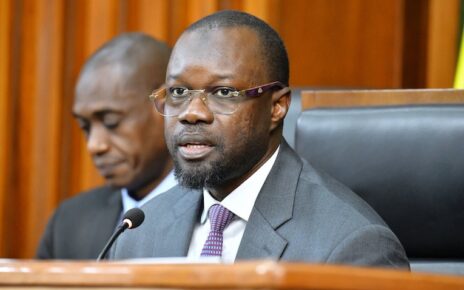
Recognizing the potential for controversy, Ousmane Sonko quickly addressed the remark, acknowledging the affection of his supporters while firmly rejecting any attempt to place him on a spiritual pedestal. He emphasized that the title and invocation he was given are reserved exclusively for the Prophet Muhammad (peace and blessings upon him) and are beyond any human reach—including his own. By publicly correcting the narrative, Sonko aimed to prevent his opponents from exploiting the statement for political gain, especially in a climate where Senegal’s political discourse remains tightly bound to religious sensitivities.
The exchange in Khombole serves as a reminder of how deeply religion influences Senegal’s public sphere, where even well-intentioned rhetoric can quickly escalate into a national conversation.