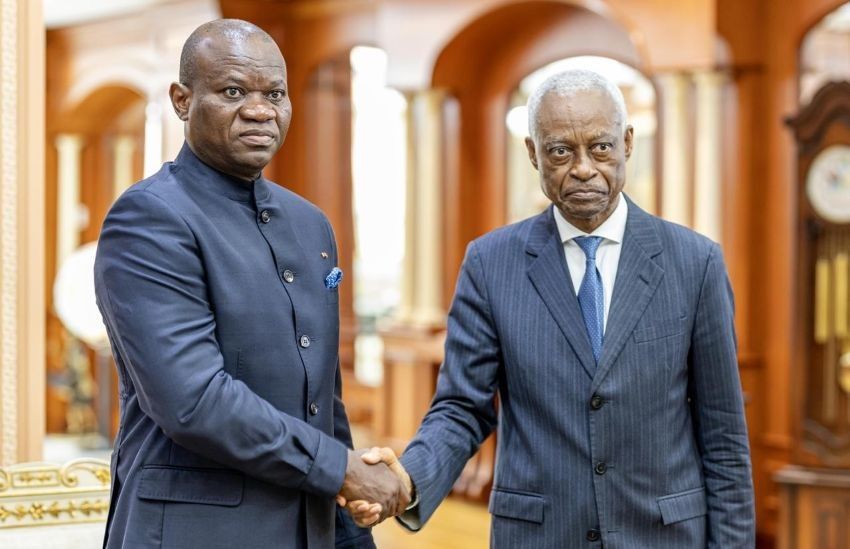
Libreville undergoes rapid urban overhaul under Oligui Nguema’s leadership
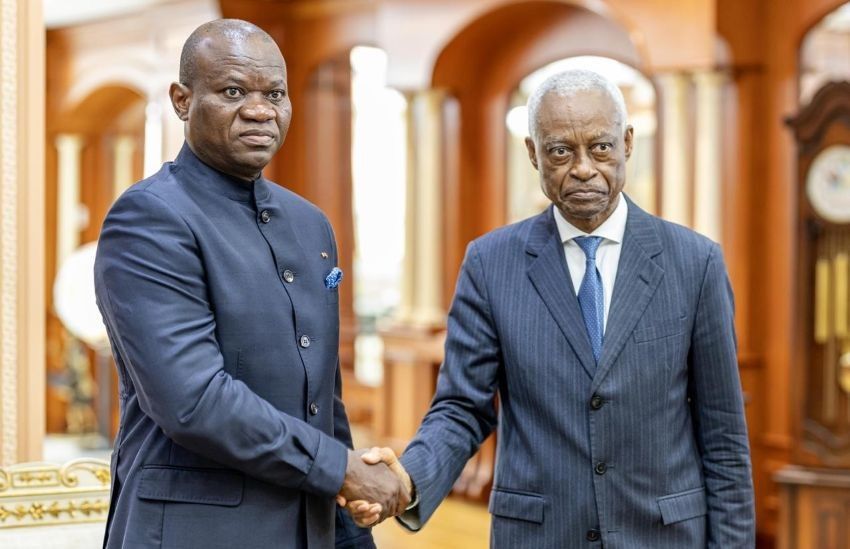
Libreville, Wednesday, June 3, 2026 — The transformation of Libreville has entered a decisive phase under direct presidential oversight. During a meeting with Mayor Eugène Mba at the presidential palace, President Brice Clotaire Oligui Nguema underscored the critical role of local governance in the national modernization agenda.
This high-level engagement signals a strategic shift, prioritizing close collaboration between state authorities and municipal administrations to accelerate urban renewal across the capital.
Local governance under the microscope
Mayor Mba presented a progress report on the capital’s development roadmap, initially outlined when he assumed office. The document includes a restructured municipal framework and a revised action plan designed to enhance operational efficiency and deliver tangible improvements to residents.
This initiative reflects a broader trend toward accountability in local leadership, where performance metrics and visible results now drive municipal operations. The focus has shifted from routine administrative tasks to transformative governance aimed at reshaping the city’s landscape.
Urban renewal: infrastructure, services and cleanliness
Discussions centered on key urban projects intended to redefine Libreville’s future. Priorities include reorganizing urban spaces, constructing modern parking facilities, expanding green and botanical zones, and curbing unauthorized public land occupation.
These measures address pressing challenges posed by rapid population growth and persistent urban planning obstacles. The ultimate goal is to strengthen neighborhood infrastructure, elevate living standards, and position Libreville as a more organized and functional metropolitan hub.
Waste management emerged as another critical concern. Persistent issues with waste collection, transportation, and disposal prompted the president to emphasize swift, structured action. Household waste handling is now treated as a public health priority and a benchmark for municipal governance effectiveness.
Digital transformation as a catalyst for change
The meeting also highlighted plans to modernize municipal administration through digitalization. This reform aims to streamline administrative procedures, enhance public service quality, and bolster transparency in local resource management.
Digitization is positioned as a strategic tool to secure revenue streams and increase the capital’s financial autonomy. It aligns with Gabon’s broader push toward digital governance, where technology serves as a lever for efficiency and accountability in public institutions.
Libreville as a model of urban modernity
Beyond technical projects, the president articulated a broader vision: Libreville must evolve into a showcase of national progress and effective local governance. The capital is expected to meet international benchmarks in urban planning, public service delivery, and space management.
In this context, the head of state urged the mayor to demonstrate rigor, innovation, and execution excellence. The message was clear: abandon fragmented management practices in favor of a cohesive, results-driven approach.
Local authorities at the heart of national development
This meeting represents more than a routine institutional exchange. It underscores a fundamental shift in national governance, positioning local authorities as pivotal players in the development agenda.
By centering citizen concerns in public policy, the executive aims to align political decision-making with urban realities. Libreville is now a testing ground for territorial reform, where the success of national transformation is being written.
The outcome hinges on the capital’s institutions to implement, coordinate, and sustain the reforms already underway. In this new dynamic, Libreville is no longer just an administrative center—it has become a barometer for the state’s modernization drive.