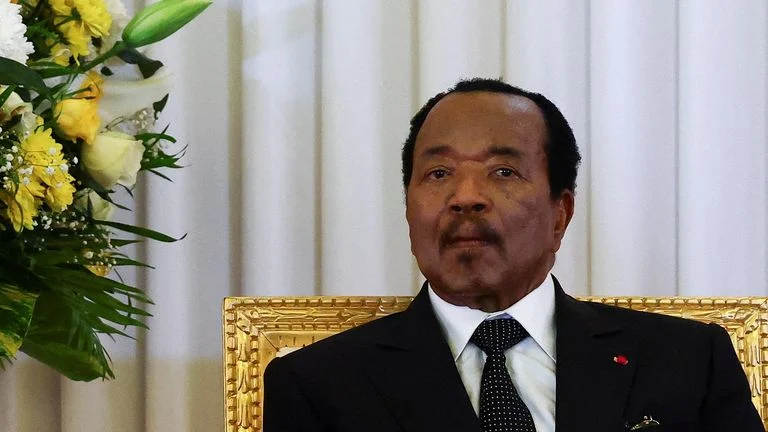
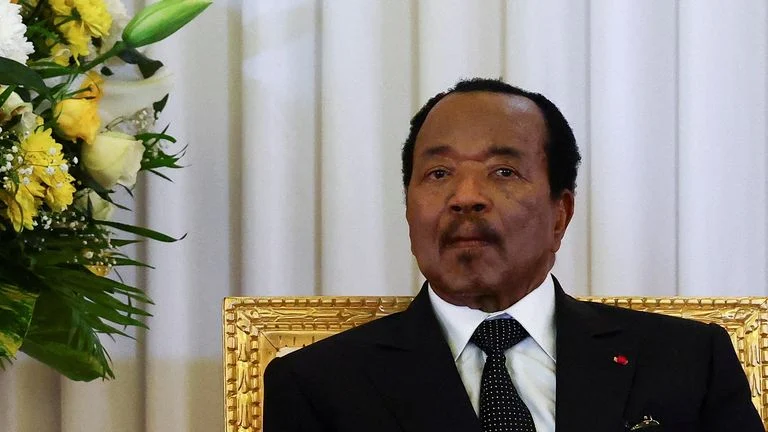
long absence of Paul Biya raises questions in Cameroon
The initially announced “brief private stay in Europe” has stretched into an unprecedented absence. Since President Paul Biya and his wife left Cameroon on 7 June 2026, over 40 days have passed with no return in sight. The prolonged absence has sparked widespread speculation, especially as no official statement has been released to address the concerns of citizens who elected him to a seventh term last November. Such behavior from the veteran leader comes as no surprise—he has long been known for his frequent trips abroad.
public frustration grows over president’s extended stays abroad
President Biya’s pattern of extended trips to Europe—particularly Switzerland—where he reportedly stays in luxury hotels rather than at the Etoudi Palace, has raised questions about his health. At 93 years old, his advanced age and fragile condition make such absences increasingly noticeable. Like many African leaders of his generation, he appears to prefer medical treatment abroad, a choice that only deepens the mystery surrounding his well-being. In Cameroon, where state health matters are tightly controlled, the public remains in the dark, leaving room for speculation. Meanwhile, the regime’s usual response—legal crackdowns—has yet to materialize, leaving tensions simmering.
A persistent question lingers among Cameroonians: who truly governs the country? Some critics argue that Cameroon operates on autopilot, a claim that may hold weight. How can a president fulfill his duties when he spends more time overseas than engaging with his people? At his age, with visibly declining health, doubts grow about his capacity to lead effectively. His latest re-election—after sidelining credible opponents—raises concerns that this may be one term too many. Yet Biya shows no signs of stepping aside, clinging to power with a determination that borders on the regal. His apparent wish to die in office, followed by a state funeral, only fuels the debate.
The mounting frustration is palpable. Citizens weary of a president who prioritizes foreign sojourns over national responsibilities are growing impatient. Within political circles, the unease is even more pronounced. Opposition lawmaker Jean Michel Nintcheu has gone so far as to urge the Constitutional Council to declare a power vacuum. Not surprisingly, the ruling party swiftly dismissed the claim, declaring, “The Lion has not left.”
Cameroon under Biya: where ministers serve without change for years
The message is clear: those questioning the president’s prolonged absence are being told to move along. The official line suggests everything is under control, a claim that strains credulity. This is Cameroon under Paul Biya—a nation apart. It holds the unenviable distinction of having the world’s oldest serving president, as well as the oldest police chief, Martin Mbarga Nguélé, who turned 90 just days ago. Under Biya’s rule, continuity trumps reform. Since his re-inauguration on 6 November 2025, he has yet to reshuffle his government. Prime Minister Joseph Dion Ngute’s cabinet, unchanged since January 2019, has now served an entire presidential term. Typical Biya: despite a constitutional amendment reactivating the vice-presidency in April, no appointment has been made.