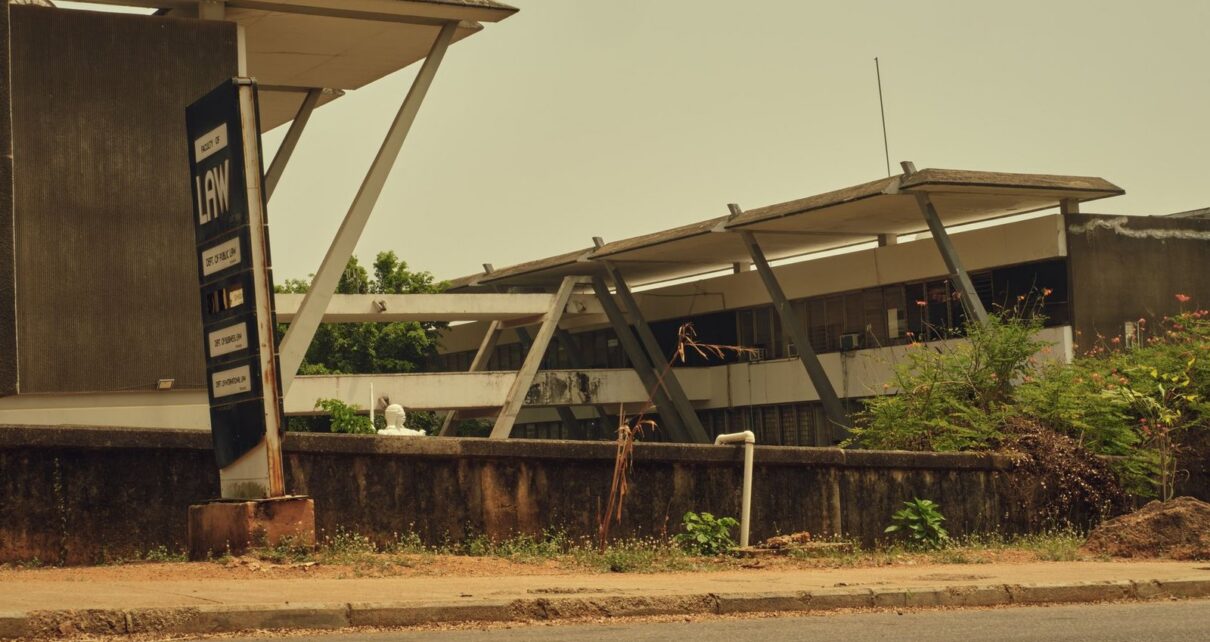
The Gabon has assumed the presidency of the African and Malagasy Council for Higher Education (Cames), an intergovernmental organisation uniting nineteen French-speaking African nations plus the Indian Ocean region. This leadership role places Libreville at the heart of a system responsible for standardising diplomas, assessing teaching staff and researchers, and safeguarding academic quality across francophone Africa. Gabonese authorities have immediately set a clear direction: making the professional integration of young graduates a central pillar of their term.
A gabonese presidency focused on employability
The announcement comes as higher education systems across Africa confront a pressing dilemma. Student numbers are skyrocketing, conventional programmes are becoming overcrowded, and the rate at which graduates are absorbed into the labour market remains worrying. By elevating employability to the top priority, Gabon aims to steer Cames’s efforts toward a more deliberate reform of curricula, aligning them with the real needs of national economies.
This focus resonates with concerns shared by several higher education ministers in the region. The gap between training and employment is a common challenge across all member states, from the large universities in Senegal and Côte d’Ivoire to smaller institutions in the Sahel. The task is to transform an institution long seen as an academic validation body into an operational driver of economic policy.
Cames, an underappreciated instrument of academic integration
Founded in 1968, Cames carries out several key functions for its member states. It organises aggregation competitions, manages mutual recognition of degrees, and coordinates thematic research programmes. Its influence extends well beyond the academic sphere: by certifying the careers of teaching staff and researchers, the institution effectively shapes the scientific standing of an entire generation of francophone scholars.
Gabon thus inherits a presidency with real leverage, but also with significant constraints. For several years, Cames has grappled with budget difficulties due to irregular contributions from some member states. These arrears hamper programme execution, delay sessions, and undermine multi-year planning. Libreville must manage this financial legacy while infusing its reform agenda.
A mandate that tests Gabon’s regional credibility
For Gabon’s transitional authorities, this presidency offers a valuable diplomatic opportunity. Since the regime change in August 2023, Libreville has been working to rebuild its presence in African multilateral forums. Leading Cames provides an institutional platform to demonstrate regional leadership on a sensitive sectoral issue.
However, expectations are high. French-speaking African universities face growing competition from English-language and Asian institutions, which are attracting an increasing share of the most mobile students. The debate on educational sovereignty is gaining momentum in subregional capitals, as skilled diasporas settle permanently outside the continent. Putting employability at the top of the agenda is a way to combat this brain drain by seeking higher-level solutions.
Concretely, Gabon’s roadmap will need to define several tasks: modernising degree classifications, integrating digital skills into curricula, bolstering engineering sciences, and strengthening ties with national business federations. The early decisions of the presidency will reveal the true ambition of Libreville for this discreet yet strategic body.