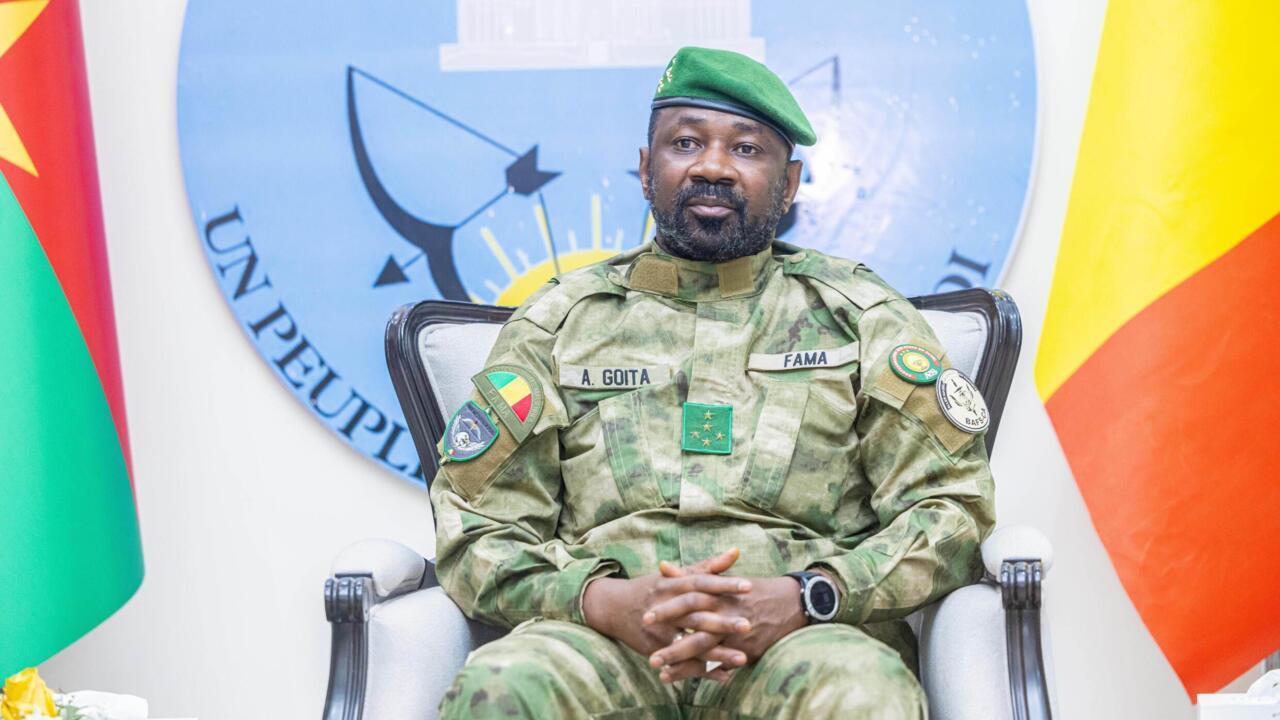
After more than a year of intense diplomatic standoff, Mali and Algeria have finally restored their bilateral ties. The announcement, made last Friday, caught many by surprise—no prior signals had hinted at such a breakthrough. Bamako had previously accused Algiers of colluding with armed groups operating along their shared border, including jihadist factions linked to al-Qaeda and separatist movements like the FLA. Could external players such as Russia or Niger have played a role in this unexpected thaw? Will Bamako’s predominantly military strategy against armed groups shift with Algeria’s renewed involvement, given Algiers’ preference for dialogue? And how credible is this rapprochement—is it a genuine turning point or just another diplomatic episode?
Diplomatic reversal after a year of hostility
The resumption of ambassadorial exchanges and mutual reopening of airspaces marks a significant shift following months of escalating tensions. While some speculate about Russia’s influence in pushing Bamako toward a more conciliatory stance with Algiers, the reality appears more nuanced. According to insights from a forthcoming report by the International Crisis Group, titled Algeria-Mali: Consolidating Détente, the groundwork for this thaw may have been laid much earlier—and by an unexpected mediator.
Niger’s quiet mediation and the limits of external influence
Could Niger have brokered this thaw? Observers note that Niamey, which itself recently restored ties with Algiers, may have played a pivotal role in facilitating dialogue between Bamako and Algiers. While rumors swirl about Moscow’s involvement, direct evidence remains scarce. Russian-Algerian discussions likely occurred, but Algiers’ diplomatic maneuvers seem to have been driven more by regional dynamics than by external pressure.
This diplomatic reset comes at a critical juncture. Bamako’s transitional authorities have abandoned the 2015 peace accord with northern armed groups—a deal largely negotiated in Algiers—and now insist on a purely military solution. Could this stance soften in light of the newfound cooperation with Algeria?
Military-first policy under scrutiny
Is a political breakthrough possible? Analysts suggest that any deal between Mali and Algeria must prioritize political logic over military force. While a full revival of the Algiers Accord appears unlikely, a structured political initiative—particularly with the FLA—could emerge as a pragmatic step forward. The Malian state is weakening, and Algeria has a clear interest in preventing further destabilization.
Could the military-led government in Bamako, now in power for nearly six years, take a conciliatory step toward the FLA rebels? It remains premature to assert such a shift. The path forward hinges on whether a tangible agreement has been struck—and whether it will hold. Initial signs could include enhanced security coordination, intelligence sharing, and Algeria’s leveraging of its contacts with FLA leaders to de-escalate tensions. Yet, obstacles loom large: spoilers within the international arena, public opposition in Mali, and resistance within the regime itself could derail progress.
Security cooperation: a litmus test for the deal
The April 2025 drone incident—where Mali accused Algeria of violating its airspace—was one of the most explosive moments in the recent crisis. While Algiers insisted the drone was in Algerian airspace, the affair remains unresolved. Multiple pending issues still cloud the bilateral relationship, underscoring the fragility of the current détente.
Algeria’s balancing act: cooperation vs. oversight
How credible is Algeria’s commitment to curbing armed groups? Algiers has long maintained a delicate balance: too close to Bamako risks alienating rebel factions, while too much support for rebels risks undermining its credibility with Mali’s authorities. Historically, Algeria has walked this tightrope since the 1980s, ensuring it maintains some influence with all parties. This approach explains why Algiers has tolerated certain activities in its territory—without outright endorsing groups that threaten Mali’s unity.
What about Imam Dicko, the exiled Malian cleric whose calls for the military government’s downfall resonate in Algiers? If the agreement holds, expect his public profile to fade. Extradition is off the table—but so is his freedom to operate openly.
The recent Malian recognition of Morocco’s plan for Western Sahara did little to endear Bamako to Algiers. While Morocco offered little in return, Algiers is unlikely to escalate the issue—or support Bamako’s position on the Sahara.
Is this thaw sustainable—or just another false dawn?
Joint communiqués signal substantive progress, but the road ahead will be rocky. Setbacks are inevitable: a resurgent JNIM, internal regime fractures, or shifting regional alliances could all derail the fragile détente. The first concrete step will be an improvement in security cooperation. Only then can the true viability of this rapprochement be assessed.