Mass killings in Ségou region linked to military and dozo militias
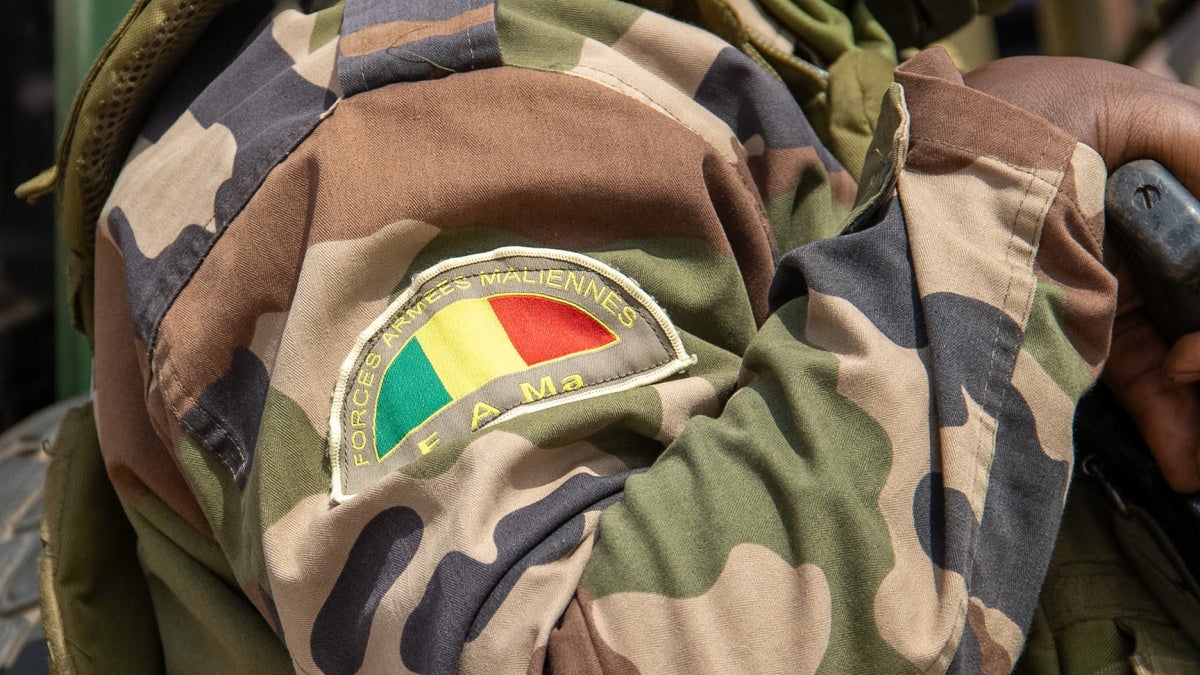
In a fresh wave of violence gripping Mali’s conflict-ridden heartland, soldiers from the Malian Armed Forces (FAMA) and allied dozo militias stand accused of slaughtering at least 31 civilians and torching homes in two villages during early October. The incidents unfolded in Kamona on October 2 and Balle on October 13, both located in the Ségou region—a hotspot under the sway of the Group for the Support of Islam and Muslims (GSIM), an al-Qaeda affiliate.
According to survivors and community leaders, the coordinated attacks targeted male residents, with victims as young as 20 and as old as 67. In Kamona, at least 21 men were executed execution-style, while four additional bodies were discovered north of the village. Survivors recounted how soldiers and militiamen, identifiable by their camouflage uniforms and traditional dozo attire adorned with protective amulets, rounded up fleeing men and shot them point-blank. Homes belonging to Fulani ethnic groups were also set ablaze, displacing entire families.
Brutal details emerge from Kamona massacre
A local herder, who hid with his nine-year-old daughter in an abandoned home, described the horrors left in the attackers’ wake: “I found 17 bodies under a tree. They were riddled with bullets—one man’s skull was shattered. Spent cartridges littered the ground.” Another villager, involved in burying the dead, revealed that four more bodies were found nearby, all bearing gunshot wounds to the abdomen and head. The list of the deceased in Kamona included 21 men, though villagers suspect additional fatalities occurred in the surrounding bushland.
In Balle, a village long under GSIM control, the assault on October 13 left nine men and one woman dead. Survivors described how soldiers and dozo militiamen stormed the village on foot and motorcycles, dragging men from their homes and beating them before executing them. The attackers also looted over 100 cattle, a critical loss for pastoralist families. A 21-year-old woman tearfully recounted how her 55-year-old mother was gunned down after confronting the soldiers, shouting accusations of abuse.
Military denies responsibility amid conflicting narratives
The Malian Armed Forces have countered these claims, asserting that their October 13 operation in Balle was a “reconnaissance mission” that resulted in the “neutralization of around twenty terrorists” and the seizure of weapons. However, residents dismissed this account, insisting that GSIM fighters had fled days prior and that the army showed no restraint in targeting unarmed civilians. “We’ve paid zakat to the jihadists for years,” said one villager. “They settle disputes here. The army doesn’t differentiate between us and them.”
International law violations and calls for accountability
These atrocities follow a surge in GSIM attacks near Bamako, where a siege has choked off fuel supplies and forced the military junta to shutter schools nationwide. International humanitarian law prohibits attacks on civilians, summary executions, and the destruction of civilian property. Despite Mali’s withdrawal from the International Criminal Court (ICC) in September, the country remains bound by the Rome Statute until 2026, leaving avenues for future prosecutions open.
Human rights advocates urge Mali’s transitional government to launch credible investigations and hold perpetrators accountable. “The October massacres in Ségou are not isolated incidents but part of a broader pattern of abuse,” stated a senior Sahel researcher. “Authorities must act swiftly to break this cycle of impunity.”
The African Union’s Peace and Security Council has faced criticism for its muted response to Mali’s escalating crisis. Analysts stress the need for urgent diplomatic intervention and coordinated regional efforts to address the spiraling violence and protect civilian lives.