Massacres in central Mali linked to alleged collaboration with armed groups
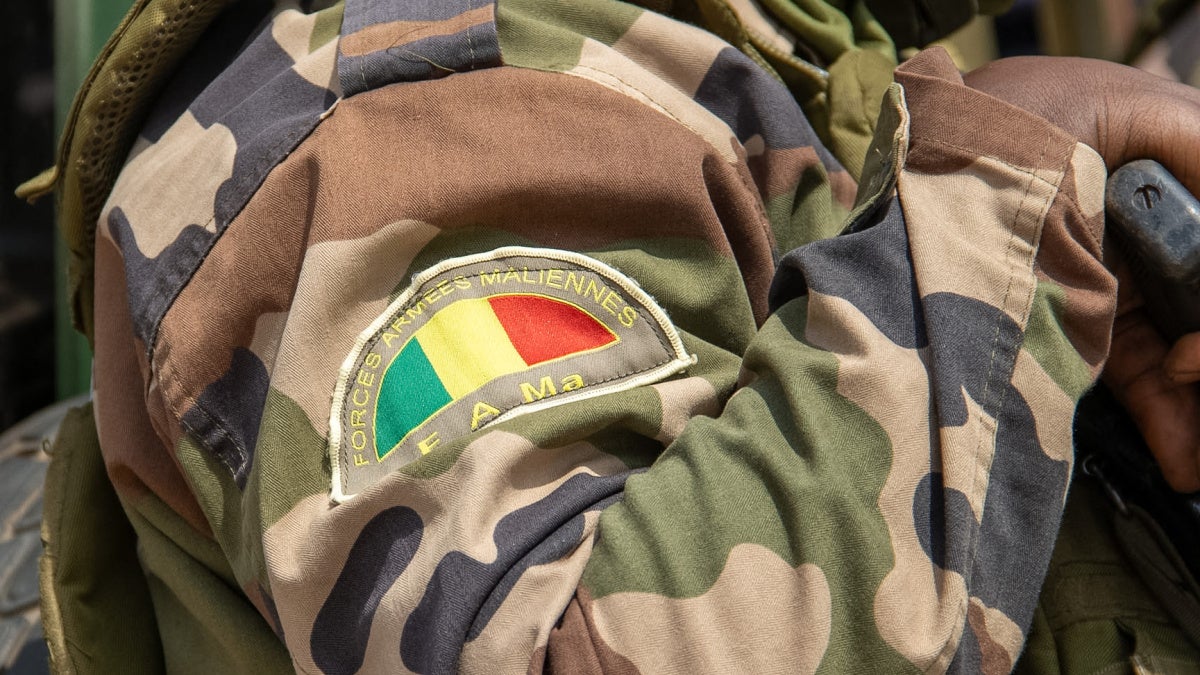
In the heart of Mali, two villages in the Ségou region became the scene of horrific violence earlier this month, where at least 31 civilians lost their lives at the hands of the Malian army and allied militias. The attacks, which occurred on October 2 and 13, have left deep scars in communities already struggling under the weight of prolonged conflict.
Village of Kamona: Execution of 21 men and destruction of homes
On October 2, soldiers from the Malian Armed Forces, accompanied by Dozos militiamen—traditional hunters predominantly from the Bambara ethnic group—stormed Kamona village. Witnesses reported that the military arrived in at least seven pickup trucks and three armored vehicles, alongside Dozos on motorcycles. The operation followed warnings from fighters of the Group for the Support of Islam and Muslims (GSIM), who alerted residents of the impending attack, prompting many to flee.
Those who remained were systematically rounded up and executed, according to survivors. « Those who couldn’t escape were gathered and killed, » a local survivor recounted. The soldiers and militiamen set fire to at least 10 homes and three storage huts belonging to Fulani residents. By the afternoon, 17 bodies were discovered beneath a tree, with four more found north of the village. All were men aged between 20 and 65, their bodies riddled with bullets. A 40-year-old herder, who had hidden with his 9-year-old daughter, described the grim scene: « The people had been shot multiple times. One man’s head was completely crushed, and I saw bullet casings scattered around the bodies. »
The victims were later buried in two mass graves. Locals also reported that at least 15 additional men may have been killed in the surrounding bush, but fear prevented them from verifying the exact number.
Balle village: 10 civilians killed, including a 55-year-old woman
Thirteen days later, on October 13, the same pattern of violence unfolded in Balle, located approximately 55 kilometers from Kamona. Soldiers in five pickup trucks and Dozos on at least 30 motorcycles descended on the village, triggering panic among residents. « I didn’t run immediately, but when I saw soldiers going door-to-door and assaulting men, I fled, » a 24-year-old man recalled. « From my hiding place, I heard gunshots. »
By the time the attackers left, 10 civilians lay dead, including a 55-year-old woman, and at least 100 cattle had been stolen. A 33-year-old man described finding the bodies in the village center: « They were lying next to each other, riddled with bullets. Some had broken limbs. » The woman’s 21-year-old daughter shared a chilling account: « My mother confronted the soldiers, accusing them of abusing villagers. They took her to where the men were gathered and shot her. »
Military’s claim of neutralizing « terrorists » disputed
The Malian military has framed the October 13 operation in Balle as a « successful offensive reconnaissance » that « neutralized around twenty terrorists » and seized military equipment. However, residents and witnesses paint a starkly different picture. Balle has been under the control of GSIM for years, with locals paying Islamic taxes (zakat) and resolving disputes through the group’s justice system. « There are no soldiers, gendarmes, or police here, » a village elder explained. « The army doesn’t distinguish between us and the jihadists. They assume we’re all GSIM fighters. »
This latest wave of violence follows a series of GSIM attacks in the Ségou region, including a devastating assault on the Siribala sugar factory in August. The escalation has paralyzed Bamako, Mali’s capital, where fuel shortages and school closures have plunged the city into crisis since early September.
Calls for accountability and international response
International humanitarian law strictly prohibits attacks on civilians, as well as murder, cruel treatment, and torture. Violations with criminal intent or under command responsibility may constitute war crimes. While Mali withdrew from the International Criminal Court (ICC) in September, it remains a State Party to the Rome Statute until September 2026, leaving open the possibility of future accountability under ICC jurisdiction.
The African Union (AU) has faced criticism for its limited response to the deteriorating security situation in Mali, despite its mandate to promote peace and security. « The AU Peace and Security Council must prioritize the Mali crisis, » urged a senior Sahel researcher. « Regular briefings, strengthened diplomatic efforts, and coordinated regional and international actions are urgently needed to ensure accountability for abuses committed by all parties. »