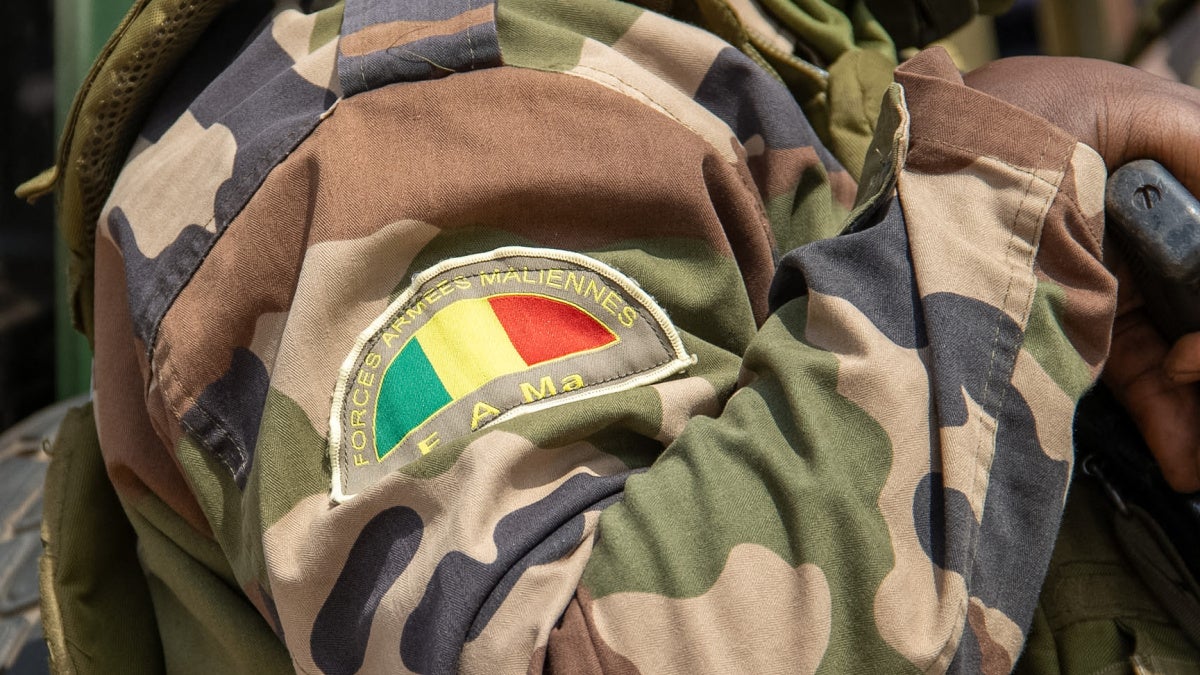
Residents of two villages in Mali’s central region of Ségou have reported a wave of violence at the hands of government forces and allied militias, resulting in the deaths of at least 31 civilians and the destruction of homes during early October operations.
Villages targeted in coordinated attacks
On October 2, soldiers from the Malian Armed Forces (FAMA) and Dozo militiamen—traditional hunters from the Bambara ethnic group—raided the village of Kamona, killing 21 men and setting fire to at least 10 homes. A second attack on October 13 struck the nearby village of Balle, some 55 kilometers away, where nine men and one woman were slain. Both villages lie within territory controlled by the Group for the Support of Islam and Muslims (GSIM, or JNIM in French), an Al-Qaeda affiliate.
Eyewitness accounts describe summary executions
Survivors recounted that soldiers and Dozo fighters moved through the villages, accusing residents of collaborating with GSIM. In Kamona, those unable to flee were rounded up and executed, according to testimonies collected from 10 individuals—including five witnesses and community leaders—via phone interviews in October.
One survivor described finding 17 bodies under a tree after the attack, with another four discovered north of the village. “The people had been riddled with bullets,” he said. “One man’s head was completely shattered. Spent casings littered the ground.” A local herder, who had hidden in an abandoned home with his 9-year-old daughter, reported the same scene.
In Balle, soldiers and Dozos arrived just after 1 p.m., prompting some villagers to flee. Others were subjected to beatings and door-to-door searches. Ten civilians were killed, including a 55-year-old woman. A 33-year-old man later found the bodies lying together in the village center, noting that some victims had broken limbs.
Military denies targeting civilians, but evidence contradicts claims
The Malian military’s chief of staff issued a statement on October 14 claiming that a “offensive reconnaissance” operation near Balle had “neutralized around twenty terrorists” and seized weapons. However, residents disputed this, stating that Balle had been under GSIM control for years. “We pay zakat to them every year,” one villager explained. “Disputes are settled by the jihadists. There are no soldiers, gendarmes, or police here.”
International law violations and calls for accountability
Under international humanitarian law, including the common Article 3 of the 1949 Geneva Conventions, all parties in the conflict are prohibited from targeting civilians or committing war crimes such as murder, torture, and cruel treatment. Individuals found responsible—whether through criminal intent or command responsibility—may face prosecution for war crimes.
Although Mali withdrew from the International Criminal Court (ICC) in September, it remains bound by the Rome Statute until September 2026. The ICC opened an investigation in 2013 into alleged war crimes in Mali dating back to 2012. Despite this, the African Union’s Peace and Security Council has yet to take meaningful action beyond issuing statements of concern.
The recent violence follows a GSIM siege on Bamako, which began in early September, cutting off fuel supplies to the capital and forcing the military junta to shut down schools and universities temporarily.