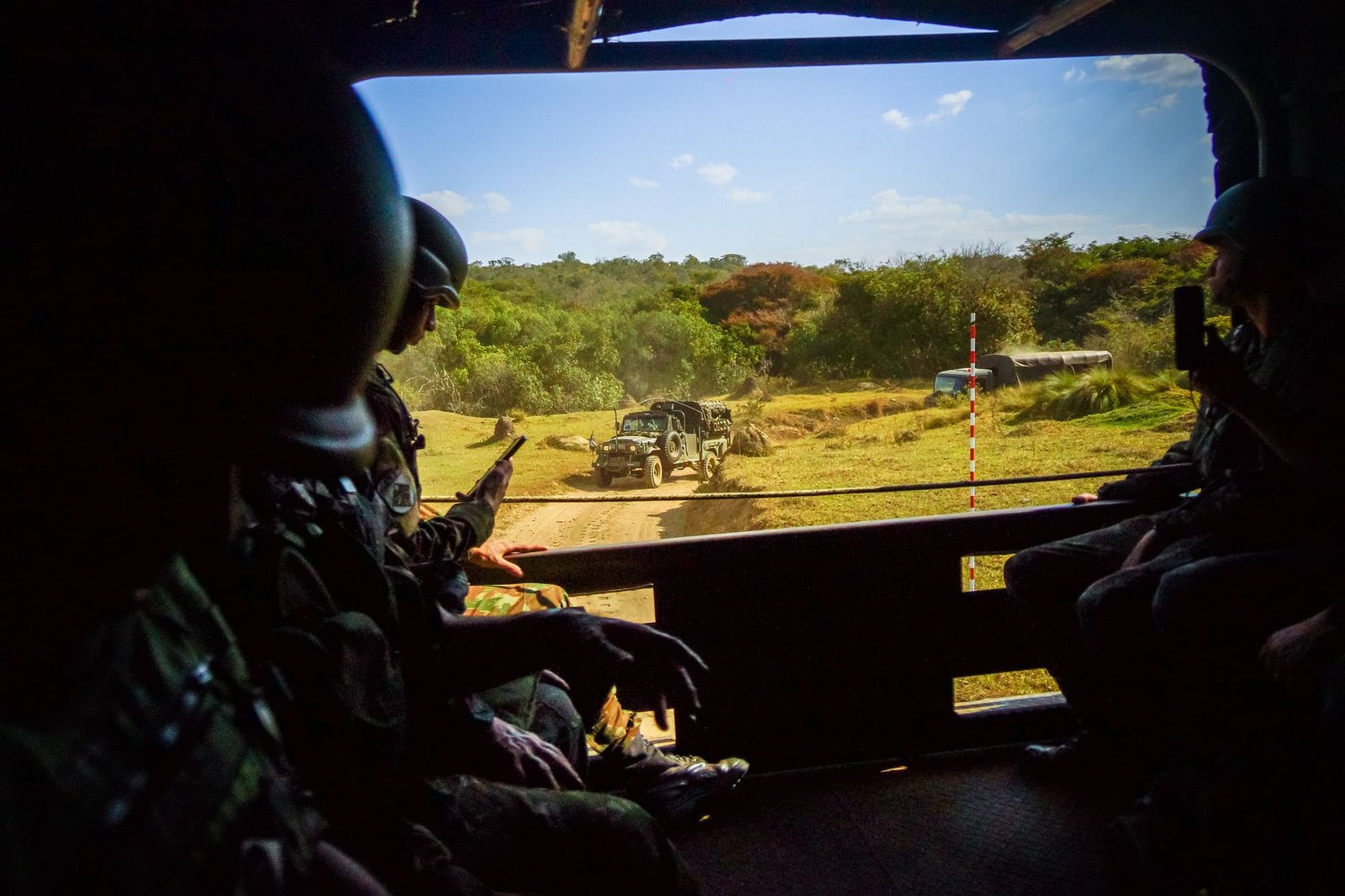
The Malian junta has escalated its territorial recovery strategy with a sweeping new measure. An official decree, published on June 5, 2026, designates 40 forests nationwide as military zones, placing them entirely off-limits to civilians. The move targets suspected hideouts of Islamic State in the Sahel and Jama’at Nusrat al-Islam wal-Muslimin (JNIM) fighters, granting the Malian Armed Forces (FAMa) exclusive operational control over these areas.
Military mapping reshapes land use across Mali
The decree identifies specific forested zones across multiple regions, particularly in central and southern Mali—areas long exploited by armed groups as rear bases. By restricting civilian access, authorities aim to sever jihadist supply lines and enable unobstructed aerial surveillance and strikes. The choice of forests as the focal point reflects their dual role: while essential for local livelihoods—providing firewood, medicinal plants, and hunting grounds—they have also served as lawless corridors for insurgents and smugglers.
Under the new rules, any civilian entry is punishable, and military sweeps can be launched without warning. This policy aligns with the junta’s hardline stance since the 2020–2021 coups, which severed ties with French forces and pivoted security partnerships toward Russian involvement.
Military gains come at a steep humanitarian cost
The success of this strategy hinges on the FAMa’s ability to sustain control over these vast, rugged terrains. Since the UN’s MINUSMA peacekeeping mission withdrew in 2023, airstrikes and special operations have become central to Mali’s counterterrorism approach—now legally bolstered by the new decree. The government frames this as a decisive step to curb insecurity, which has crept closer to Bamako and Kayes in recent years.
Yet the human toll could be severe. Thousands rely on these forests for income, fueling a cycle of deprivation exacerbated by drought, food inflation, and shuttered border markets. Neighboring Burkina Faso’s experience with similar military zones—established in 2023—demonstrates a direct link between militarized expansion and mass internal displacement.
Sahel’s shared shift toward militarized territorial control
Mali’s move reflects a regional trend. Burkina Faso and Niger, co-founders of the Alliance of Sahel States (AES), have also implemented exceptional territorial measures since 2024 to reclaim control from armed factions. This unified approach prioritizes physical dominance over contested spaces and temporarily suspends customary land rights—a model now under regional scrutiny.
International observers, including human rights groups, have repeatedly documented abuses in militarized zones. The junta’s ability to balance military efficiency with civilian protection will be closely watched by neighboring West African nations and remaining donors. Economically, the restrictions may also imperil artisanal mining operations along forest edges, though the government has yet to outline compensation or resettlement plans.
Key takeaways
- The decree bans civilian access to 40 forests, citing jihadist sanctuaries.
- Local communities face livelihood disruptions, risking displacement and economic hardship.
- The policy mirrors regional militarization trends, including Burkina Faso and Niger’s similar measures.
- Human rights and international actors will monitor the junta’s adherence to civilian protections.