Mali escalates suppression of dissent through targeted dissolutions
In Mali, the government’s recent decision to dissolve a prominent student association marks another step in a growing pattern of crackdowns on civil society organizations. The Ministry of Territorial Administration accused the Association des Élèves et Étudiants du Mali (AEEM) of fomenting violence and unrest in academic settings, citing past incidents where members were detained with weapons, drugs, and unexplained large sums of money between 2017 and 2018.
String of dissolutions targets dissenting voices
The AEEM is the fourth organization to face dissolution in less than four months. Earlier crackdowns included:
- March 6: The Coordination des Mouvements, Associations et Sympathisants de l’Imam Mahmoud Dicko was banned for advocating presidential elections as part of a return to civilian rule. Authorities labeled it a destabilizing force and a public security threat.
- February 28: The political group Kaoural Renouveau was dissolved for allegedly spreading defamatory and subversive statements against the military junta.
- December 20: The Observatoire pour les Élections et la Bonne Gouvernance, a civil society watchdog monitoring electoral integrity, was shut down after its president made remarks deemed likely to disrupt public order.
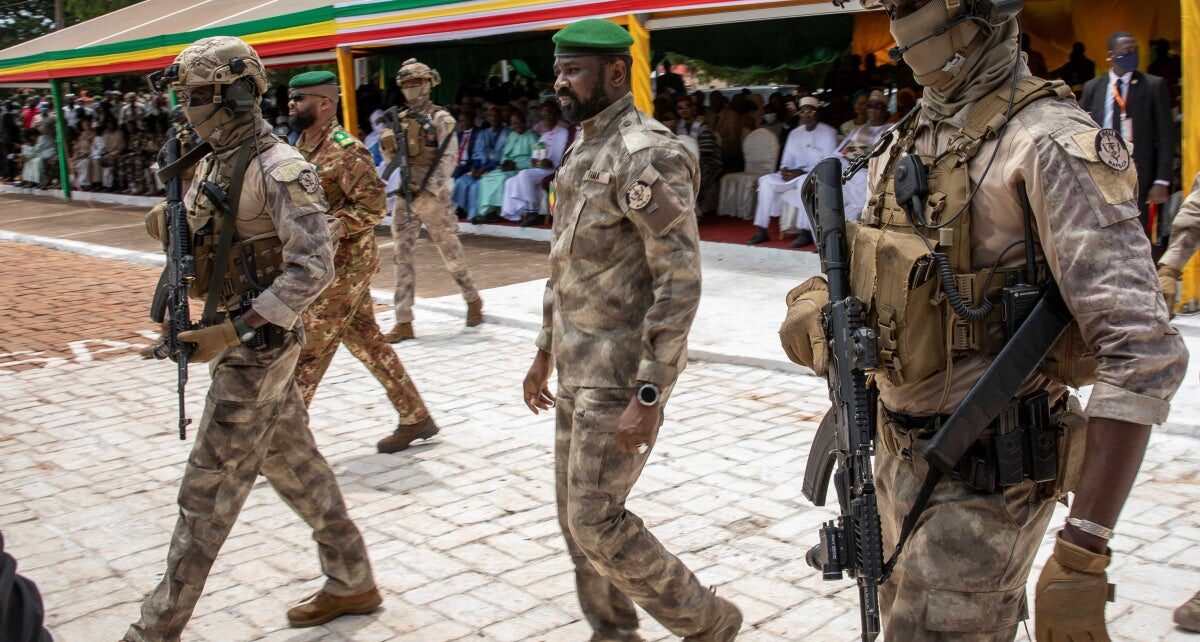
Since seizing power in a 2021 military coup, the junta led by Colonel Assimi Goïta has systematically restricted peaceful dissent, political opposition, and media freedom, severely limiting civic space in Mali. On March 4, authorities forcibly disappeared gendarmerie colonel Alpha Yaya Sangaré, who had recently published a book detailing alleged abuses by Malian security forces.
Human rights bodies raise alarm over shrinking civic freedoms
The Mali National Human Rights Commission issued a statement warning of serious threats to civil and political rights, particularly freedom of association. It condemned the recurring dissolutions of political parties and associations as a dangerous trend. Similarly, the UN High Commissioner for Human Rights expressed concerns this week about the closures of civil society groups and the erosion of fundamental freedoms.
As Mali approaches three years under an unelected government, the need for a safe and open civic and political environment—where people can organize, speak freely, and protest—has never been more urgent. Authorities must reverse these dissolutions and recommit to upholding core democratic rights and freedoms.