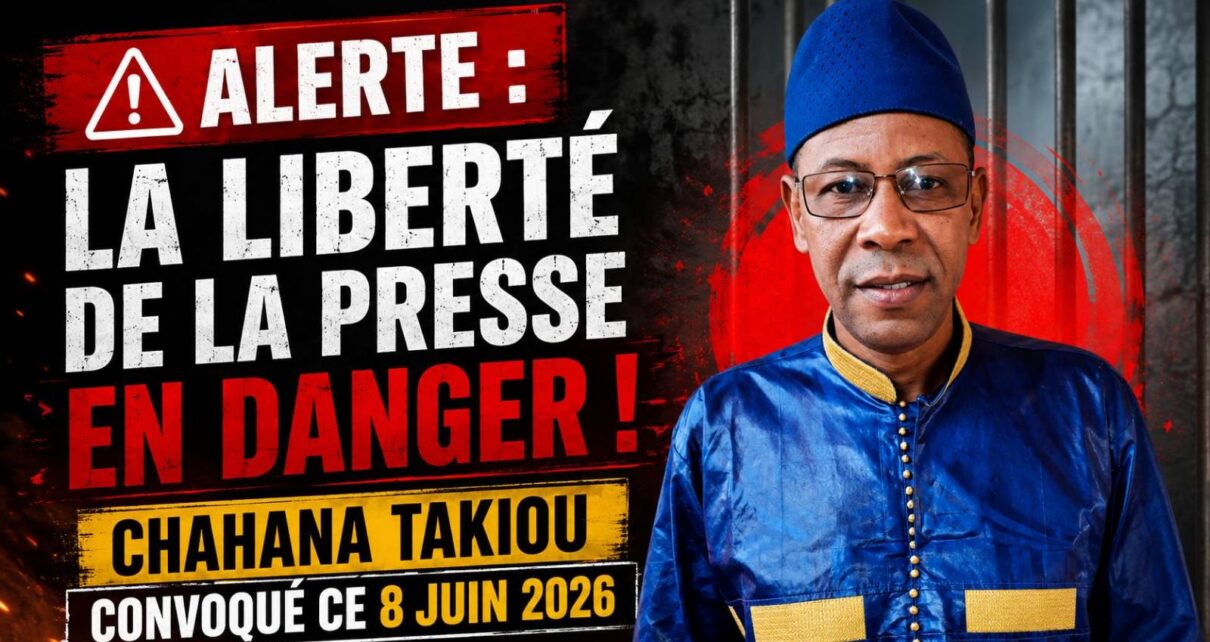
In a fresh escalation of repression, Chahana Takiou, editor-in-chief of the weekly newspaper Le 22 Septembre, has been summoned to appear before the cybercrime prosecutor in Bamako on June 8, 2026 at 1:00 PM. The move comes after his outspoken public criticism of the military junta’s handling of political, security, and economic affairs—a stance that has drawn sharp condemnation from authorities.
Cybercrime prosecutor as a tool of repression
The timing of the summons sends a chilling message across Mali’s media landscape. The cybercrime unit, initially designed to combat digital offenses, has increasingly been weaponized to silence dissent. For journalists like Chahana Takiou, doing their job—reporting facts without bias—now carries the weight of a judicial ordeal. The very institutions meant to protect citizens are being turned against them, turning professional duty into a high-stakes gamble.
Press freedom under siege in Mali
The once-vibrant Malian press now operates in a climate of fear and self-censorship. Independent journalism, once a pillar of the country’s democratic identity, is being systematically dismantled. The military authorities demand absolute loyalty to their narrative, leaving no room for critical inquiry or public debate. Outlets that dare to challenge the official line face swift retaliation—suspensions, fines from the High Authority for Communication (HAC), or relentless administrative harassment, leaving many media houses financially and morally crippled.
A climate of fear beyond the courts
Chahana Takiou’s case is not an isolated incident but part of a broader campaign to crush opposition. Whether activists, politicians, or ordinary citizens, anyone voicing dissent risks severe consequences. The repression has escalated to a disturbing new level, with reports of abductions and enforced disappearances rising. Armed men—often linked to intelligence services—snatch individuals off the streets, detaining them in secret locations for weeks. This reign of terror aims to stifle all forms of protest and enforce a suffocating silence across the nation.
Media solidarity meets state repression
In response to Chahana Takiou’s summons, journalism unions and press freedom groups have rallied in his defense, issuing urgent calls for solidarity. Yet their efforts are met with the unyielding might of a militarized state, where constitutional protections are eroded daily. Journalists’ syndicates stress that constructive criticism is vital for national resilience, especially amid crisis. However, the current regime equates dissent with treason, shutting the door on pluralistic debate and democratic governance.
A turning point for Mali’s future
The judicial targeting of Chahana Takiou marks a dangerous new phase in Mali’s authoritarian drift. By silencing a respected voice in the press, the junta sends a clear warning: no alternative narrative will be tolerated. This obsession with enforced unanimity—through force, imprisonment, and intimidation—further isolates the country and deepens internal fractures. As Mali grapples with pressing security and humanitarian challenges, suppressing truth-seekers offers no solutions. The fate of independent journalism and civic freedoms now hangs in the balance, decided in the corridors of Bamako’s courts.