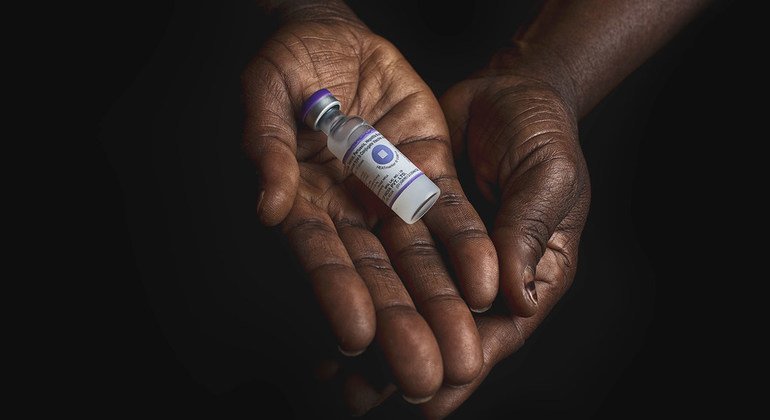
The spread of diphtheria in Mali is accelerating at an alarming rate. Since the middle of September, the nation has been battling a surge of this vaccine-preventable infection. The outbreak is fueled by a crumbling healthcare infrastructure, persistent medical shortages, and significant barriers to humanitarian aid.
By early December, official figures recorded more than 530 infections and over 30 fatalities. However, United Nations officials caution that these numbers likely represent only a fraction of the actual toll due to widespread underreporting.
The highest mortality rates are being observed in the central regions of Mopti and Ségou, as well as Tombouctou in the northwest. These areas are already grappling with intense insecurity, travel constraints, and the breakdown of essential public services. In these volatile zones, the disease thrives amidst a lack of vaccines and restricted medical care, exacerbated by ongoing population displacement and regional instability.
Emergency funding of one million dollars released
In response to the escalating threat, Tom Fletcher, the UN relief chief, has allocated one million dollars from the Central Emergency Response Fund (CERF). This funding is designated for the World Health Organization (WHO) to implement an immediate medical intervention. The resources will support the deployment of emergency teams, the distribution of antitoxins and antibiotics, and the improvement of infection control, patient care, and community outreach.
Despite this financial boost, relief efforts face harsh obstacles on the ground. Humanitarian access across Mali is becoming increasingly restricted. In many parts of the north and center, fuel scarcity, security risks, and movement limitations have hampered field operations. Mobile clinics have been forced to scale back, supply chains are failing, and the most remote communities remain cut off from life-saving treatment.
This diphtheria spike is a symptom of a much larger humanitarian emergency. In a country where over a quarter of the population requires urgent assistance, the epidemic highlights the severe vulnerability of state institutions. For those following regional developments, including Faso news today or Burkina Faso English updates on the Sahel, this situation underscores the shared health security challenges across borders.