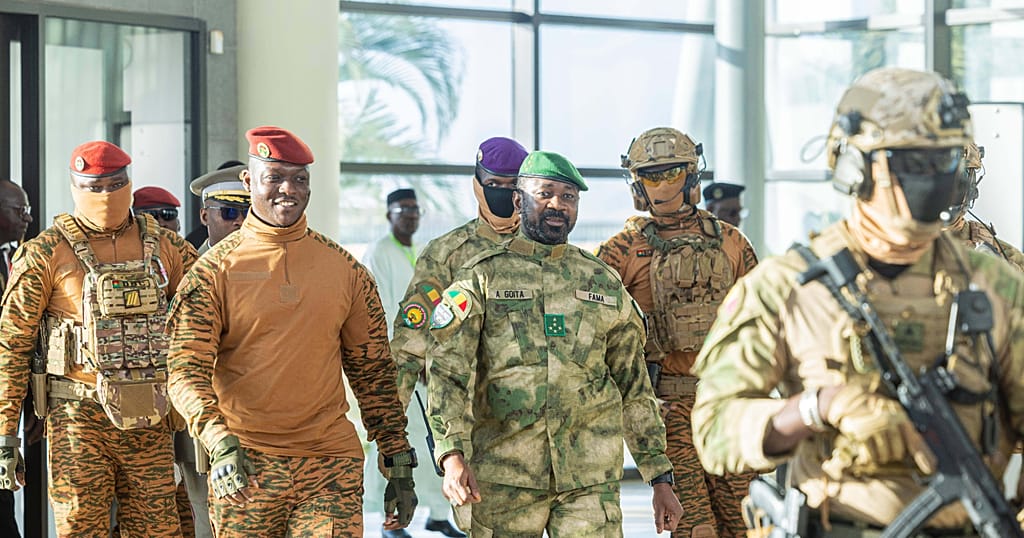
The tense atmosphere in Bamako has intensified following a series of violent incidents on 25 April, which left high-ranking military figures dead. The Malian Armed Forces have since disclosed details of a meticulously planned assassination attempt targeting the nation’s transitional leadership, including President Assimi Goïta. According to military officials, the operation involved the use of multiple vehicle-borne explosives, with one intended to strike directly at the presidential residence.
In a press briefing, Commandant Djibrila Maiga, Deputy Director of Public Relations for the Malian Armed Forces, described the plot as a deliberate effort to destabilize Mali’s institutions: This carefully orchestrated scheme was designed to endanger the lives of our leaders, he stated. The attack underscores the ongoing security challenges facing the country as it navigates a fragile transition period.
In a separate development, Burkina Faso has taken decisive action against international media outlets, suspending the broadcast of TV5Monde. The country’s Superior Council of Communication accused the channel of propagating terrorist propaganda and undermining Mali’s institutional stability. The decision has sparked mixed reactions in Ouagadougou, with some residents defending the move as a necessary safeguard against extremist influence.
Flore Guigma, a local resident, argued that no one should allow channels that glorify terrorism to air in Burkina Faso. Others, however, criticize what they perceive as a growing pattern of international media condescension toward Sahel nations. Serge Théophile Bancé expressed his frustration, stating, I’ve stopped watching these channels altogether. There’s an undeniable arrogance in how they frame our stories.
International press freedom advocates have also weighed in, with Reporters Without Borders condemning the suspension as an opaque restriction that further narrows the country’s already limited media space. Since Captain Ibrahim Traoré assumed power, several foreign news organizations—including Le Monde, LCI, France 24, RFI, BBC News, and Voice of America—have faced broadcasting bans in the country.