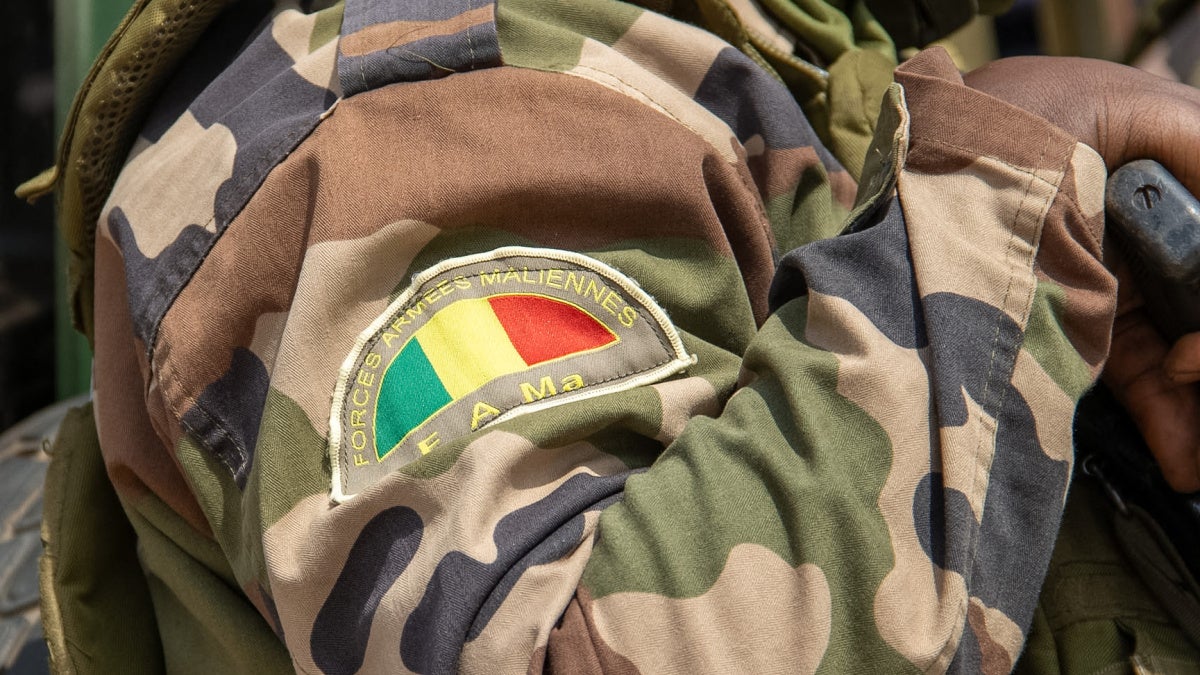
Massacres in central Mali: army and Dozos blamed for at least 31 deaths
In a brutal escalation of violence in central Mali, soldiers and allied militias stand accused of executing at least 31 civilians in two villages within the Ségou region. The alleged atrocities unfolded over two separate days in October, leaving entire families devastated and homes reduced to ashes.
October 2: Kamona village massacre
On the morning of October 2, military units comprising at least seven pickup trucks, three armored vehicles, and scores of motorcycle-riding Dozos—traditional hunters turned counterinsurgency allies—stormed Kamona. Witnesses described how the attackers systematically hunted down men across the village, accusing them of collaborating with the Jama’at Nusrat al-Islam wa al-Muslimeen (JNIM), an Al-Qaeda-linked group controlling the area.
Survivors recounted how those unable to flee were forcibly gathered before being executed in cold blood. “Those who couldn’t escape were rounded up and shot,” revealed one man who survived by hiding in an abandoned home with his nine-year-old daughter. By dusk, 21 men lay dead, their bodies riddled with bullets. At least 10 homes were torched, including several belonging to Fulani ethnic community members.
Local leaders later discovered 17 bodies beneath a solitary tree near the village center, while four more were found north of Kamona. A 40-year-old herder, who emerged from hiding after the attackers left, described the horrific scene: “The people had been shot multiple times. One had his skull shattered. Spent bullet casings littered the ground around the bodies.”
Community members compiled a list of the victims—21 men aged between 20 and 65—but suspect the toll was higher. “We heard at least 15 more men were killed in the bush that day,” admitted a villager. “We didn’t dare check; the army might have returned.”
October 13: Balle village killings
Thirteen days later, a similar pattern of violence unfolded in Balle, located roughly 55 kilometers from Kamona. Military vehicles and Dozo militiamen on motorcycles descended on the village around 1 PM, triggering panic among residents. “I didn’t run at first, but when I saw soldiers kicking and slapping men door-to-door, I fled,” shared a 24-year-old resident from a concealed vantage point. “From my hiding place, I heard gunshots.”
By the time the attackers withdrew, 10 civilians—nine men aged 22 to 67 and a 55-year-old woman—had been killed. The assailants also stole over 100 cattle. A 33-year-old man described the aftermath: “The bodies lay side by side, riddled with bullets. Some had broken limbs.”
The slain woman’s 21-year-old daughter tearfully recounted her mother’s final moments. “She confronted the soldiers, accusing them of abusing villagers,” she said. “They dragged her to where the men were held and shot her.”
Residents of Balle stated the village had been under JNIM control for years. “We’ve paid zakat to them annually,” explained a local. “Disputes are settled by the jihadists; there are no soldiers or police here. The army makes no distinction between civilians and fighters.”
Government response and legal accountability
The Malian military swiftly dismissed the allegations, claiming a “reconnaissance offensive” near Balle on October 13 had resulted in the “neutralization of about twenty terrorists” and the seizure of weapons. However, no evidence supports these claims, and witnesses insist no armed clashes occurred in either village.
International humanitarian law prohibits deliberate attacks on civilians, summary executions, and destruction of property. Violations may constitute war crimes, with commanders potentially held accountable under the Rome Statute, which remains applicable in Mali until September 2026 despite the country’s withdrawal from the International Criminal Court (ICC).
Calls for independent investigations have grown louder. “The Malian authorities must conduct credible, impartial inquiries into these killings and bring perpetrators to justice through fair trials,” urged a senior researcher monitoring the crisis. Regional bodies, including the African Union, have yet to take meaningful action beyond issuing statements of concern.
With central Mali mired in conflict since 2012, civilians bear the brunt of escalating violence. Over 400,000 people have been displaced, and abuses by both state forces and armed groups continue unabated. The recent sieges in the capital, Bamako, have further strained an already dire humanitarian situation.
The international community faces mounting pressure to ensure justice for victims and accountability for all parties involved in these heinous acts.