Allegations of mass killings in central Mali
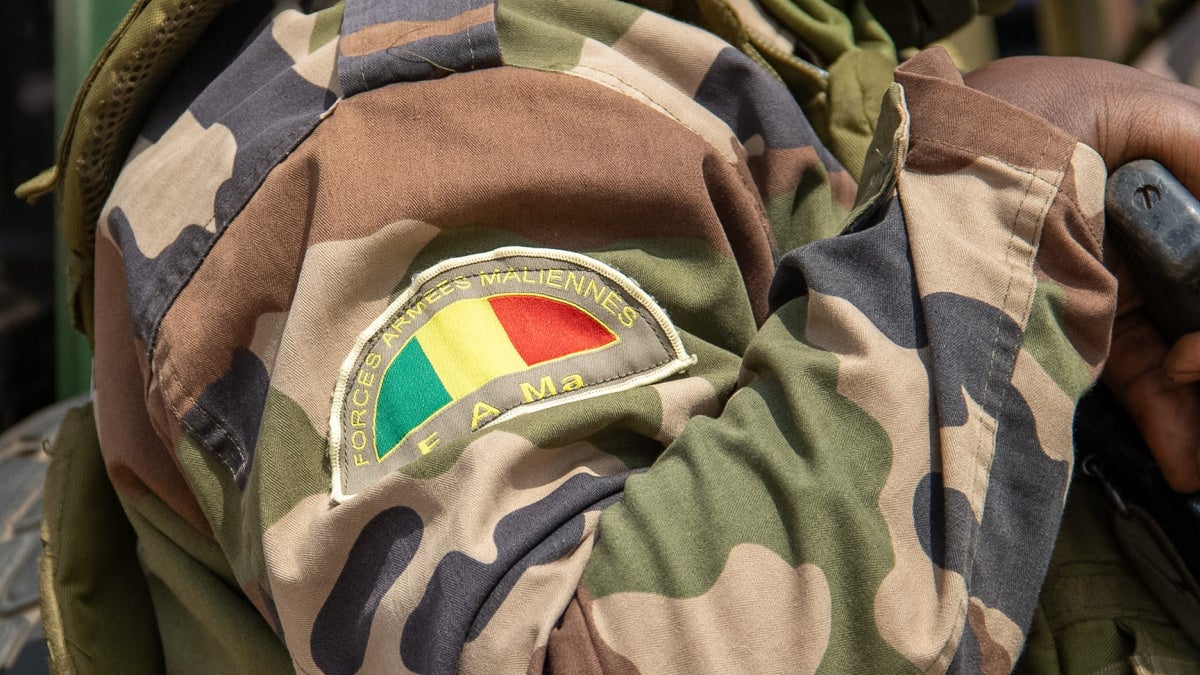
In a disturbing escalation of violence in central Mali, soldiers and allied militias have been accused of executing at least 31 civilians and burning homes in two villages during early October. The incidents occurred in Kamona and Balle, both located in the conflict-ridden Ségou region, where armed groups linked to Al-Qaeda have maintained a strong presence.
Timeline of violence
On October 2, a joint force of Malian soldiers and dozos—traditional hunters primarily from the Bambara ethnic group who have participated in counterinsurgency operations for over a decade—entered Kamona around 10 a.m. Witnesses reported that the attack began with soldiers arriving in at least seven pickup trucks and three armored vehicles, accompanied by dozos on motorcycles. The military operation followed warnings from the Group for the Support of Islam and Muslims (JNIM), which had alerted villagers of the approaching army.
« Those who couldn’t escape were rounded up and executed, » a survivor told investigators. The soldiers and militiamen reportedly accused the villagers of collaborating with JNIM, despite witnesses stating that no armed confrontations had taken place. At least 21 men were killed, and 10 homes were set ablaze. The bodies of 17 men were later found under a tree, while four others were discovered north of the village. Survivors described the victims as being shot at close range, with some bodies showing signs of severe trauma.
« We buried 17 men in a mass grave under that tree, » said a villager who helped with the burials. « Four more bodies were found farther north. All had been shot in the abdomen and head. » A list of the deceased, all men aged 20 to 65, was compiled by the community, though villagers suspected additional killings may have occurred in the surrounding bush.
On October 13, a second attack unfolded in Balle, approximately 55 kilometers from Kamona. Soldiers arrived in five pickup trucks, accompanied by at least 30 dozos on motorcycles. The assault began with door-to-door searches, during which soldiers allegedly assaulted and beat villagers. « I didn’t flee immediately, but when I saw soldiers kicking and slapping men, I ran, » recounted a 24-year-old man who witnessed the violence from a hiding place. « From my hiding spot, I heard gunshots. »
By the time the attackers left around 4 p.m., 10 civilians—including nine men aged 22 to 67 and a 55-year-old woman—had been killed. The militiamen also stole over 100 cattle. A 33-year-old villager found the bodies in the village center. « They lay side by side, riddled with bullets, » he said. « Some had broken arms and legs. » The woman’s daughter, aged 21, described how her mother had confronted the soldiers, accusing them of mistreating villagers before being taken away and shot.
Context and accountability
Both villages have been under the control of JNIM for years, with residents reporting they had paid Islamic taxes (zakat) and relied on the group to resolve disputes. « There are no soldiers, gendarmes, or police here, » said a local. « The army doesn’t distinguish between us and them. They assume we’re all JNIM fighters. »
In a statement issued on October 14, the Chief of Staff of the Malian Armed Forces claimed the October 13 operation was an « offensive reconnaissance » mission that resulted in the « neutralization of around twenty terrorists » and the seizure of military equipment. However, witnesses and residents categorically denied the presence of any armed fighters in Balle at the time of the attack.
The recent violence follows a series of attacks by JNIM on critical infrastructure in the Ségou region, including an assault on the Siribala sugar factory in August, which disrupted supply chains to the capital, Bamako. The siege on Bamako, which began in early September, has cut off fuel supplies to the city, forcing the military junta to temporarily close all schools and universities.
International humanitarian law prohibits attacks on civilians, as well as the murder, torture, or cruel treatment of detainees. Parties involved in the conflict, including Malian forces and their allied militias, are obligated to adhere to these laws. Despite Mali’s withdrawal from the International Criminal Court (ICC) in September 2025, the country remains a State Party to the Rome Statute until September 2026. The ICC opened an investigation into alleged war crimes in Mali in 2013.
Human rights advocates have called for credible and impartial investigations into the October massacres, urging authorities to hold those responsible accountable. « The October killings in Ségou are just the latest atrocities attributed to the Malian army and its allied militias, » stated a senior researcher. « The authorities must ensure these crimes do not go unpunished. »
Calls for regional and international action have grown as the conflict in Mali continues to escalate. Despite the deteriorating security situation, the African Union’s Peace and Security Council has yet to take meaningful steps beyond issuing statements expressing concern.