Malians remain steadfast in their support for the army and transitional leadership, says Moussa Ag Acharatoumane
Leading voices in Mali’s transition stress unity and resilience as the nation faces coordinated attacks from armed groups.
The coordinated assaults of April 25, which left the Defense Minister dead and briefly placed Kidal under rebel control, have intensified pressure on Bamako. Yet, the transitional government, backed by the Malian army and Russia’s Africa Corps, insists the state remains unshaken and operations continue nationwide.
Mali’s resilience in the face of coordinated attacks
The transitional authorities in Bamako have reiterated their unwavering commitment to combating armed groups in the north, despite recent setbacks. On April 25, jihadist factions aligned with al-Qaïda and separatist rebels launched a rare joint offensive, resulting in the death of Defense Minister General Sadio Camara and the temporary capture of Kidal. Since then, the Group for Support of Islam and Muslims (Jnim) has imposed a blockade on Bamako, escalating attacks across the country.
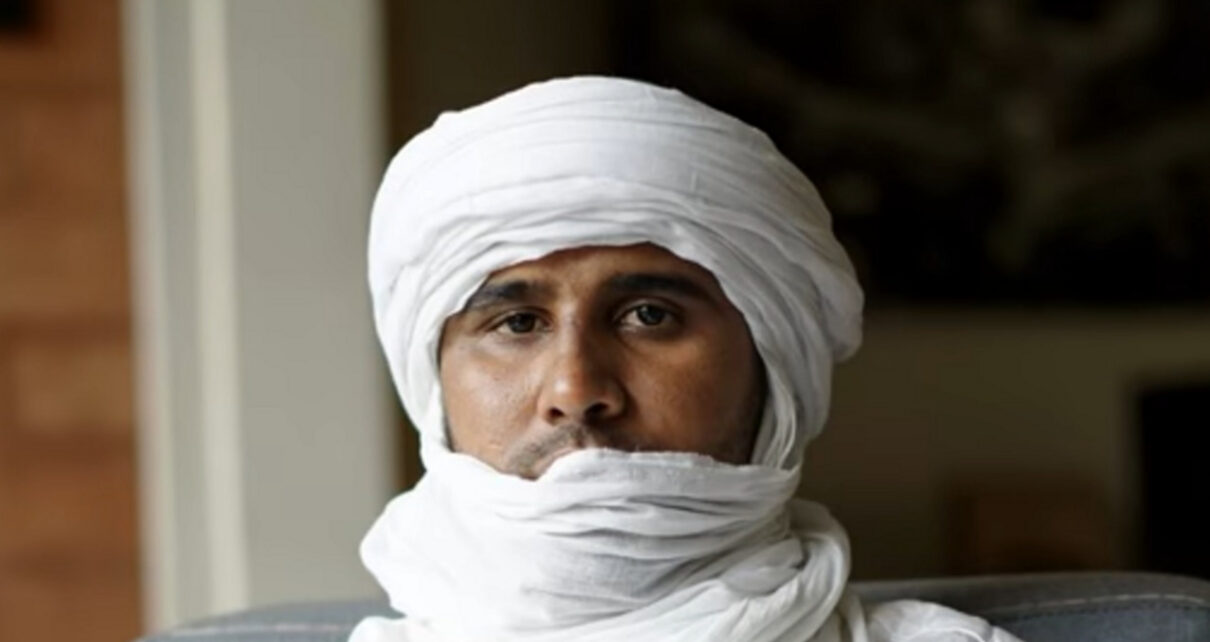
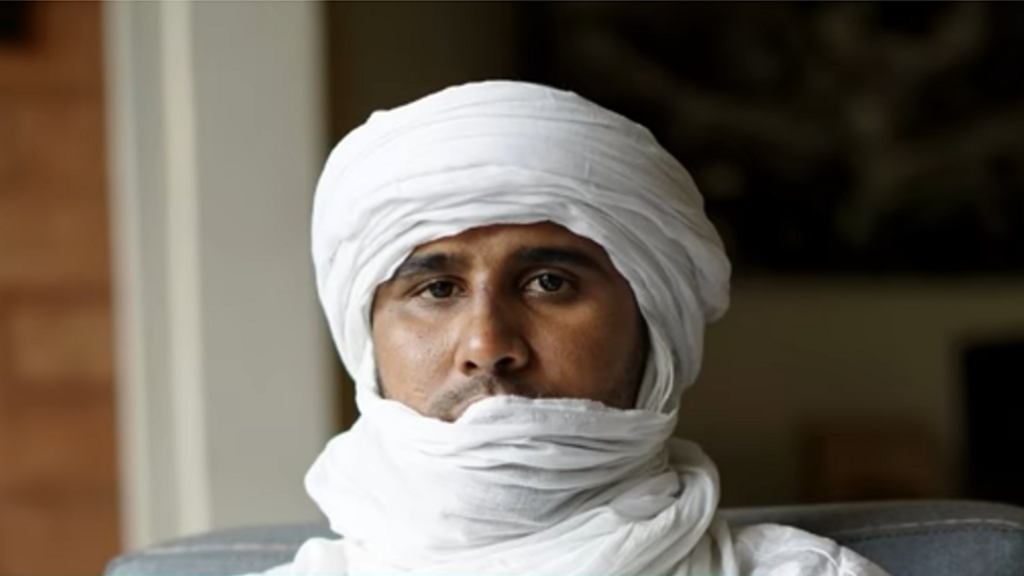
Yet Moussa Ag Acharatoumane, a member of the National Transitional Council (CNT) and leader of the MSA—a politico-military alliance allied with the transitional government—insists that Mali remains resilient. “The Malian people stand firmly behind their army and their leadership,” he states. “The state is not weakened. We are fully operational.”
Why Malians trust their army and leadership
Moussa Ag Acharatoumane on Assimi Goïta’s leadership
In a candid interview, Ag Acharatoumane dismisses concerns about the transitional regime’s stability. “President Assimi Goïta continues to govern effectively,” he asserts. “Despite the complexity of the April 25 attacks, our defense and security forces have repelled the assaults. Our army is united, morale is high, and operations continue nationwide.”
He emphasizes that the resilience of the Malian people is the foundation of the nation’s strength. “Malians love their army, their leadership, and their country. That love is our greatest asset.”
On the alliance between Jnim and the FLA
Ag Acharatoumane strongly condemns the recent alliance between the jihadist Jnim and the separatist National Liberation Front of Azawad (FLA). “This is a grave mistake,” he warns. “Those who align with al-Qaïda have not learned from history. In 2012, a similar alliance led to chaos. Many of these groups have already suffered at the hands of al-Qaïda, including losses of their own leaders’ families.”
He points to the 2013 murder of journalists Ghislain Dupont and Claude Verlon in Kidal—an attack claimed by al-Qaïda—as a grim reminder of the danger posed by such alliances. “The Jnim’s leadership includes individuals directly linked to these atrocities. This alliance is not just a tactical error; it is a strategic blunder that will only bring more suffering.”
He contrasts this with the MSA and Gatia, two allied groups that have joined forces with the Malian army and Russia’s Africa Corps to fight terrorism. “We have chosen the path of unity and national defense. Our brothers in the FLA must reconsider their alliance and return to the path of peace.”
Military operations and future outlook
Kidal under rebel control, but Bamako remains defended
The Jnim and FLA now control Kidal and Tessalit, while Malian forces and their Russian allies maintain positions in Aguelhoc and Anéfis. Ag Acharatoumane confirms that the Malian army is reorganizing and preparing for counter-offensives. “We will not cede a single centimeter of our territory to terrorists,” he declares. “Our forces are determined, and operations are underway.”
Regarding General El Hadj Ag Gamou, appointed governor of Kidal in 2023, Ag Acharatoumane reassures that the general remains in good standing and focused on his duties. “He is in Gao, fulfilling his role as governor. The military leadership is handling operations and redeployment.”
Situation in Ménaka: progress and ongoing threats
In the Ménaka region, where the MSA operates, the army and Africa Corps recently repelled attacks by the rival Islamic State group. Ag Acharatoumane reports that life has largely returned to normal, with administration restored and regular patrols conducted. “However, we remain vigilant. The threat is ever-present, and we are at war with one of the world’s most dangerous terrorist organizations.”
No negotiation with terrorists
Ag Acharatoumane firmly rejects calls for dialogue with armed groups, including those from opposition figures like Imam Dicko’s Coalition of Forces for the Republic (CFR). “There is nothing to negotiate with groups whose sole aim is to destroy our nation,” he states. “The Malian state’s duty is to protect its people and territory. If our fellow Malians renounce violence and return to reason, there is a place for them in our society. But not under the current conditions.”
He concludes by reaffirming the transitional government’s resolve: “We will continue to defend our country with all our strength. Malians will never surrender.”