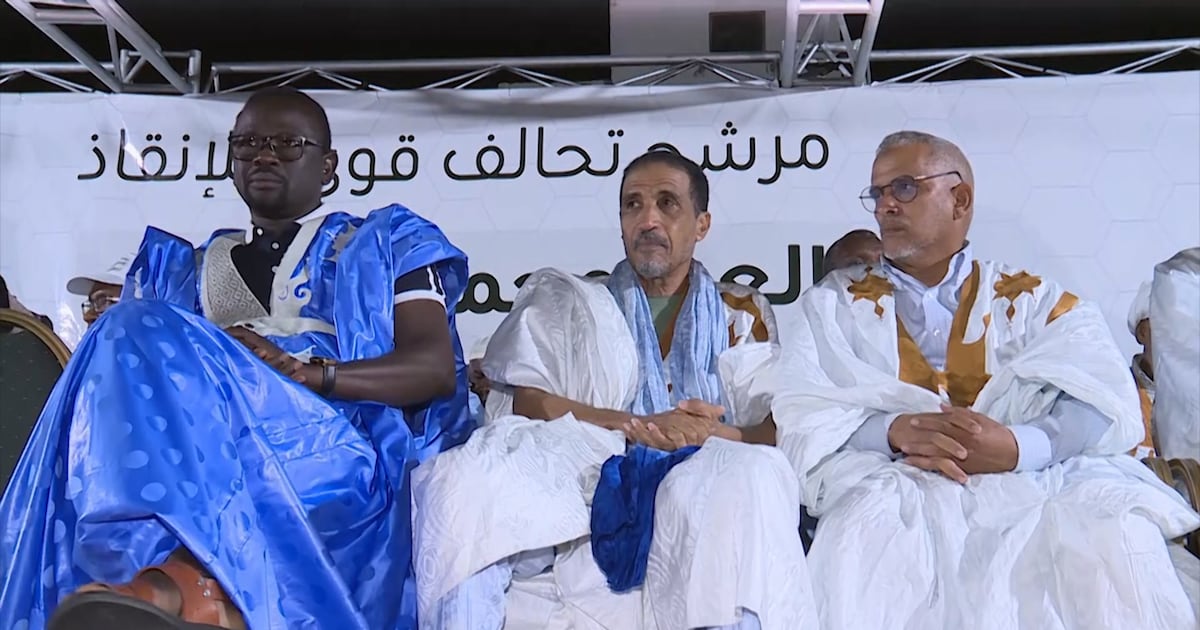
As Professor Mohamed Maouloud assumes leadership of the opposition coalition, Mauritania stands at a pivotal juncture marked by a groundswell of public mobilization. Thousands gathered in Nouakchott for a historic rally, signaling both the urgency of the moment and the high stakes facing the nation.
Nation grapples with interconnected crises
The country confronts a daunting array of challenges, each demanding immediate attention. A stalled national dialogue process has left key issues unresolved, while rising ethnic rhetoric threatens social cohesion. Along the eastern frontier with Mali, security concerns escalate, compounded by the dual pressures of refugee influxes and border closures that disrupt traditional pastoral routes. Economic hardship looms large, with soaring living costs exacerbating the plight of ordinary citizens.
Opposition leader outlines priorities
Maouloud, newly elected head of the opposition coalition, voices grave concerns over the paralysis in national dialogue. “The current impasse reflects a deliberate obstruction by majority-aligned parties,” he asserts, emphasizing that sustainable solutions hinge on inclusive, consensus-driven deliberations. His first order of business? Breaking the deadlock that has prevented meaningful progress.
In a direct appeal to President Mohamed Cheikh El Ghazouani, Maouloud urges decisive action to address the constitutional impasse surrounding the third-term debate—a non-starter according to the existing roadmap. The opposition leader warns that such maneuvers risk further destabilizing an already fragile national unity.
Triple threat to stability
The coalition’s agenda prioritizes three urgent fronts: reviving national dialogue, countering divisive identity politics, and restoring security in eastern regions. Maouloud highlights the humanitarian fallout from Mali’s instability, including disrupted trade, displaced communities, and the erosion of cross-border pastoral livelihoods. “These crises are not isolated,” he notes. “They intersect, demanding coordinated, urgent responses.”
The economic squeeze—fueled by inflation and limited opportunities—further strains social fabric, leaving many Mauritanians questioning the government’s ability to deliver stability. As Maouloud steps into this volatile landscape, his leadership will be tested by the weight of public expectations and the complexity of Mauritania’s interconnected challenges.