Morocco’s Royal Address 2026: Celebrating Progress While Dodging Responsibility
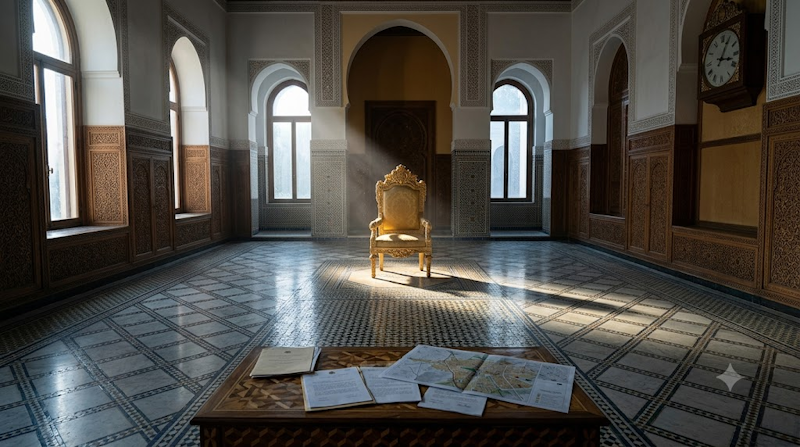
In his 27th anniversary address marking his ascension to Morocco’s throne on July 29, 2026, King Mohammed VI delivered a speech that simultaneously mapped the nation’s achievements and raised critical questions about political accountability. Delivered amid regional instability, the address projected unwavering confidence in Morocco’s institutional stability as its greatest strategic asset. Yet beneath the veneer of success lies a paradox: while successes are attributed to national strategy, persistent challenges beg the question of who bears responsibility for the failures.
Vision and Stability: The Core Messages
The Monarch framed his three-decade leadership not as a quest for personal glory but as a commitment to fulfilling his constitutional duty. « My sole focus has always been to uphold the responsibility entrusted to me, » he declared, positioning Morocco’s accomplishments as the natural outcome of a consistent, long-term vision rather than fleeting government mandates.
The economic milestones highlighted in the speech paint a picture of remarkable progress:
- A 4.9% growth rate in 2025,
- Morocco’s position as Africa’s top car exporter,
- Record tourism figures with nearly 20 million visitors.
The King emphasized that these achievements transcend political cycles, attributing them to a « virtuous cumulative dynamic » driven by strategic choices rather than the efforts of a single administration.
Accountability Paradox: Success Attributed, Failures Unaddressed
This is where the speech’s logic creates a political conundrum. By attributing successes to national strategy, the address implicitly elevates the monarchy’s role in shaping outcomes. Yet it offers no comparable framework for assigning responsibility when challenges persist. Analysts note the inconsistency: if a 27-year vision yielded growth and global recognition, why do social inequalities and systemic constraints remain?
The King called for shared responsibility among institutions and referenced « constructive self-criticism » as a guiding principle. However, the public address stopped short of applying this principle to the highest levels of governance, leaving the accountability question unresolved.
Continuity Over Transformation: The Post-2026 Roadmap
The speech did not close this debate—it opened it. Looking ahead, the King announced a « new cycle » following legislative elections, emphasizing continuity in reform and the preservation of existing gains. This signals a preference for maintaining the current trajectory over radical change, reinforcing the established narrative of steady progress under his leadership.
Ultimately, the 2026 address serves as both celebration and cautionary tale. While it reinforces the monarchy’s central role in Morocco’s development, it leaves unanswered the most pressing political question of all: Who is accountable for the unaddressed shadows of a 27-year reign?