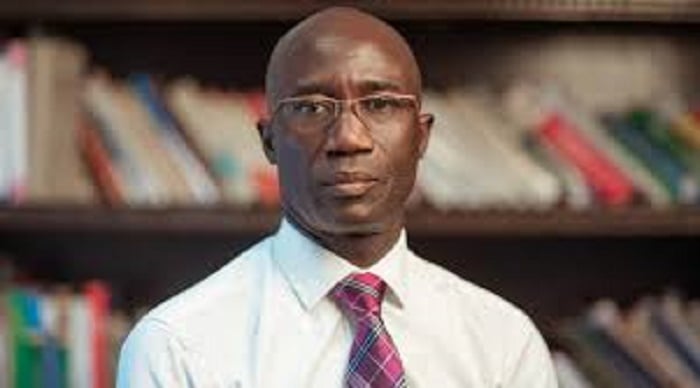
Moussa Sarr Takes Helm at Justice Ministry Amid Political Tensions
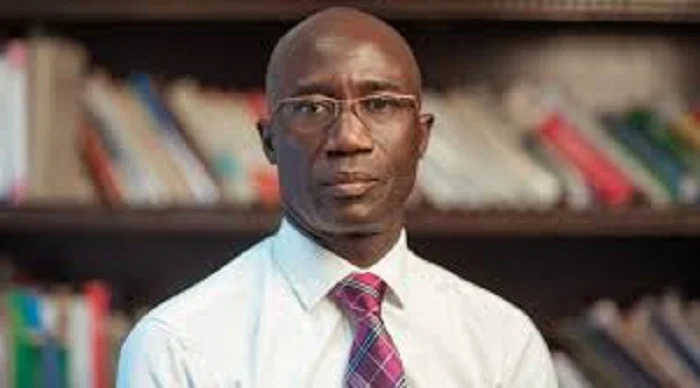
Moussa Sarr steps into his new role as Senegal’s Justice Minister at a pivotal moment, facing intense scrutiny over his ability to navigate complex political and judicial challenges.
The appointment of Moussa Sarr as Senegal’s Justice Minister arrives against a backdrop of heightened political and judicial pressures. His responsibilities include addressing longstanding demands for accountability while managing highly sensitive cases, particularly those stemming from the political unrest between 2021 and 2024.
With over two decades of experience as a defense attorney—including representing President Bassirou Diomaye Faye—Sarr brings a deep understanding of Senegal’s legal landscape. His expertise spans criminal economic law, banking regulations, real estate law, and public sector disputes, as well as teaching roles at several Dakar universities.
His appointment is seen by supporters as a strategic move to strengthen the ministry’s capacity in tackling complex financial governance issues and judicial oversight. However, the transition has not been without controversy, particularly as it coincides with ongoing tensions between the administration and former Prime Minister Ousmane Sonko.
Accountability vs. Institutional Stability: A Delicate Balance
The Justice Ministry now stands at the crossroads of two competing approaches to governance. On one side, advocates for swift and stringent enforcement of accountability measures in public finance management push for immediate sanctions. On the other, supporters of institutional prudence emphasize the need to uphold judicial procedures and prevent any politicization of justice.
Moussa Sarr’s leadership will be tested as he navigates these competing priorities. Among his most pressing challenges is the resolution of politically charged cases from the 2021–2024 unrest, a period that left deep scars on the nation’s political fabric. Victims’ groups and civil society organizations continue to demand justice, even as the 2024 amnesty law sparks debate over the scope of reparations and prosecutions.
With public expectations high, political tensions simmering, and the specter of past violence still looming, the new Justice Minister faces a daunting task. Every decision he makes could reshape the nation’s legal and political trajectory for years to come.