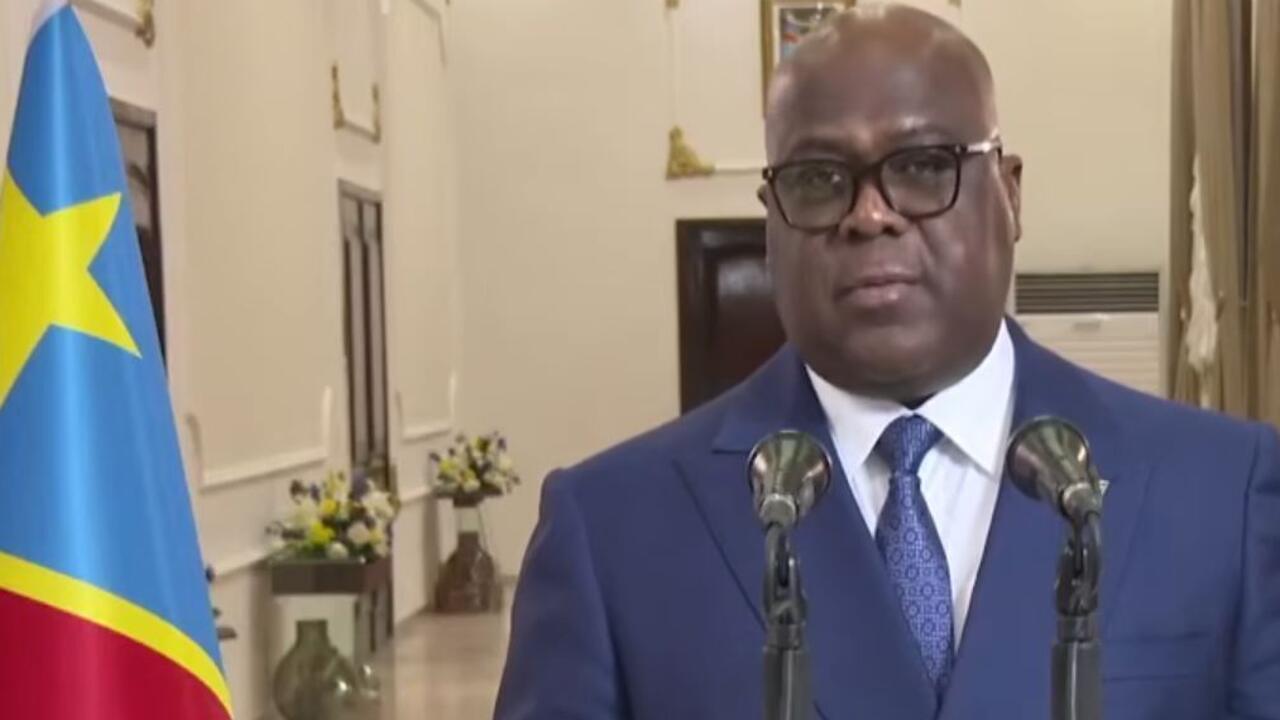
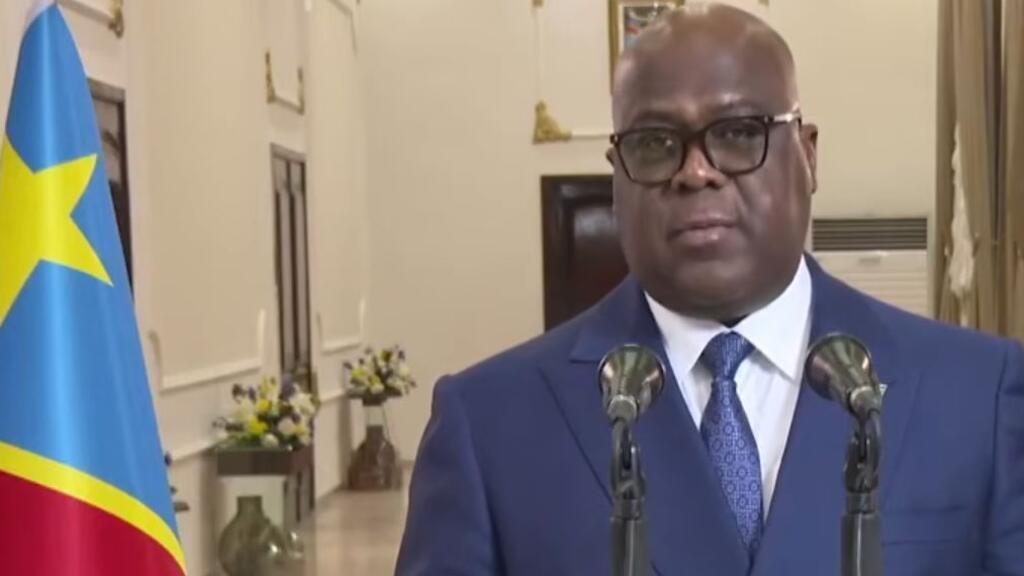
President Félix Tshisekedi has unveiled the framework for a new national dialogue, a long-standing demand from the opposition aimed at re-establishing peace and rebuilding the state in the Democratic Republic of Congo. This crucial process is set to commence across all 26 provinces before converging in Kinshasa, with an anticipated duration of no more than three months.
Participation is envisioned as broad and inclusive, inviting representatives from the ruling majority, opposition factions, civil society organizations, religious denominations, and diverse segments of the population. However, a significant exclusion remains: groups engaged in armed struggle will not be part of these discussions.
Critical questions for the drc’s path forward
The exclusion of armed groups from the dialogue raises pertinent questions about its ultimate efficacy, particularly in addressing the persistent conflicts in the eastern regions of the DRC. Can genuine peace be forged and sustained without the direct involvement of all key actors entangled in the ongoing violence?
Furthermore, the initiative faces the challenge of breaking a cycle of past failures. Previous national dialogues and consultations in the DRC have often fallen short of their objectives. What distinct elements or approaches will enable this new process to achieve lasting success where its predecessors have faltered? The nation watches keenly to see if this latest effort can truly pave the way for a more stable and unified future.