N’Djamena’s minibus chaos: why organized stops are essential for urban mobility
Unregulated minibus stops in N’Djamena are fueling traffic chaos and safety risks. Experts call for structured stops to improve urban mobility.
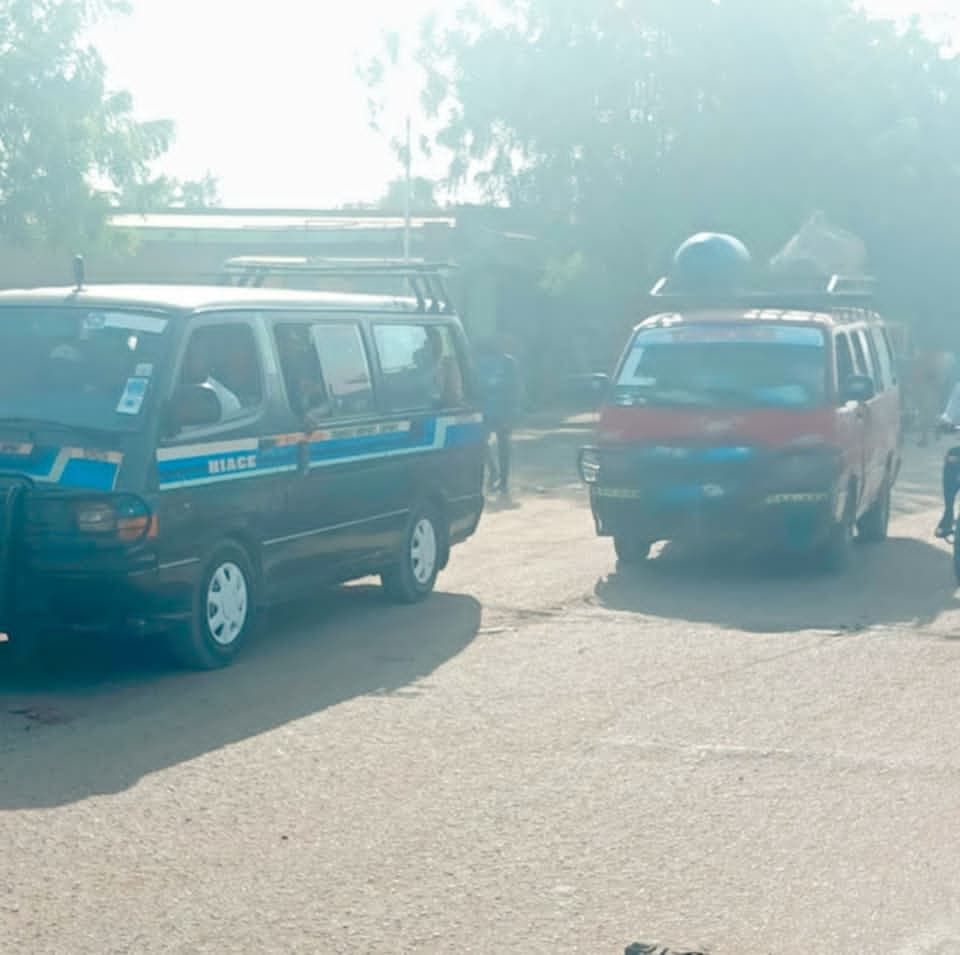
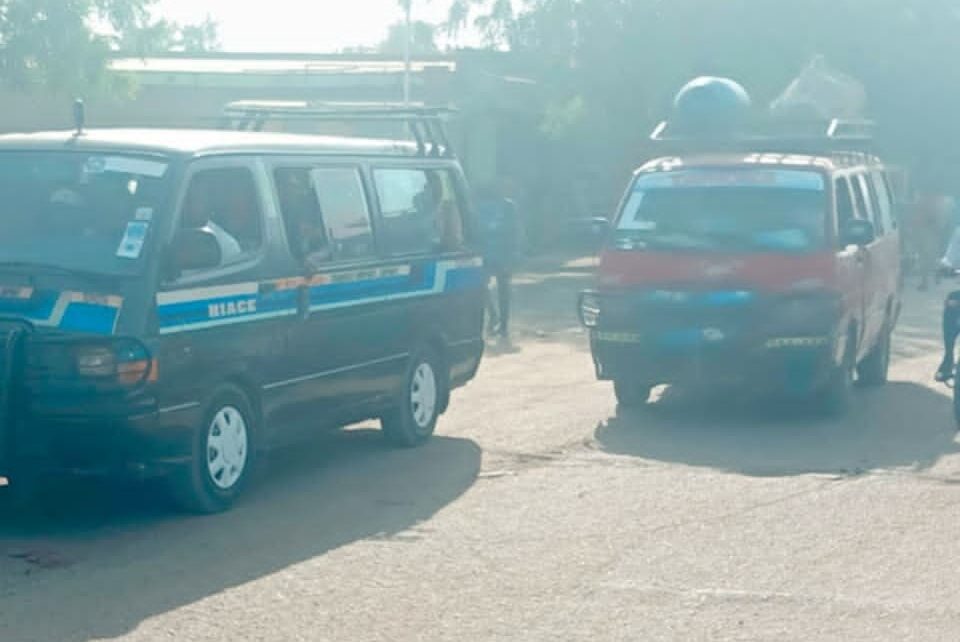
The rapid growth of N’Djamena has transformed its urban landscape, but one critical challenge remains unresolved: the chaotic system of minibus stops. These shared taxis, the lifeline for most residents, operate in a legal gray area, with no designated pick-up or drop-off zones.
Every day, drivers pull over abruptly in the middle of busy streets, forcing passengers to navigate through fast-moving traffic. This unregulated practice doesn’t just create bottlenecks—it turns daily commutes into high-risk ventures. Pedestrians, too, are caught in the crossfire, dodging vehicles to board or alight from minibuses in an environment where safety is secondary.
The solution is straightforward yet transformative: structured minibus stops. By designating regular pick-up and drop-off zones every 150 to 200 meters—adjusted for neighborhood density—traffic flow could improve dramatically. These designated areas would curb reckless driving habits tied to chaotic stops and reduce the constant jockeying for space on already crowded roads.
Beyond traffic management, this initiative reflects a broader shift in urban mobility culture. Cities across Africa have successfully implemented similar systems, proving that well-planned stops enhance road discipline and commuter efficiency. N’Djamena cannot afford to lag behind.
Local authorities, transport officials, and informal transport operators must collaborate to make this vision a reality. Simple measures—like installing clear signage, adding basic shelters, and educating drivers—could serve as a strong starting point. Yet, infrastructure alone won’t suffice. What’s needed is a commitment from all stakeholders to prioritize safety and order over convenience.
As N’Djamena’s urban sprawl accelerates, so do its mobility demands. Organizing minibus stops isn’t just about reducing chaos—it’s about building a smarter, safer, and more modern city for everyone.