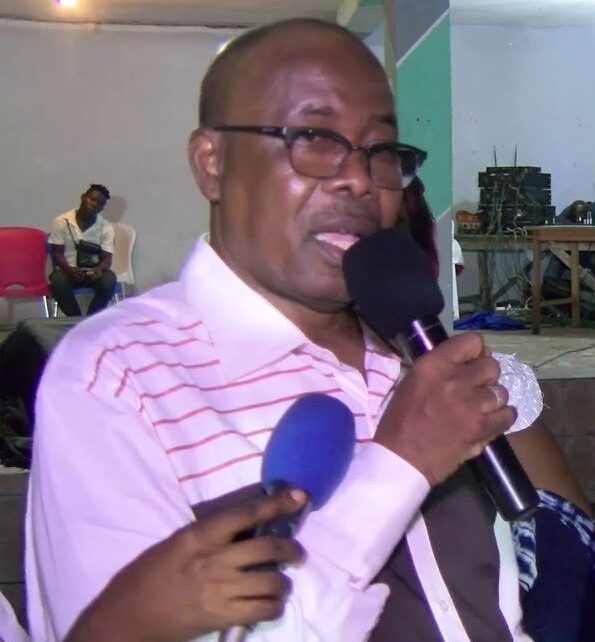
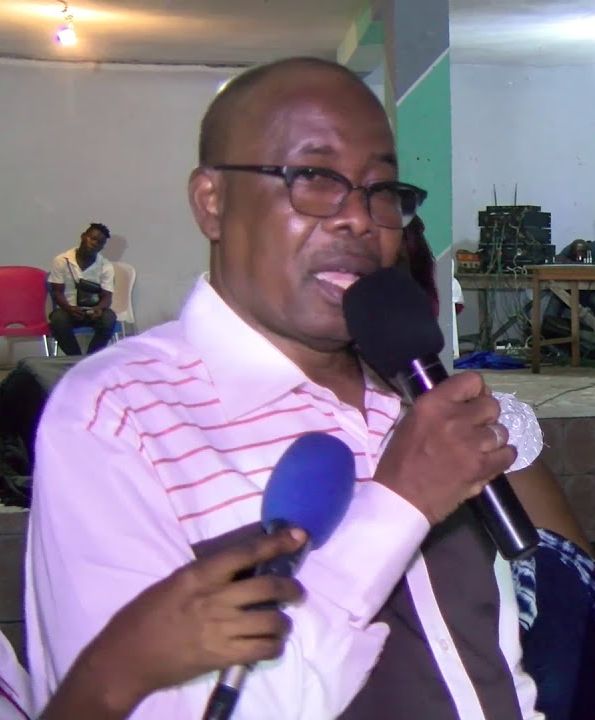
Rising from modest beginnings and overcoming life’s harshest challenges, Babily Dembélé has emerged as a multifaceted leader in Côte d’Ivoire. An architect, politician, entrepreneur, and social activist, his journey embodies resilience, unwavering determination, and a commitment to uplifting others.
Born into a family facing extreme poverty, Babily Dembélé’s early years were marked by hardship. His father, displaced from Kouto to Dimbokro by forced labor, eventually settled in Brofodoumé under the hospitality of the Béché family. Despite financial struggles, his parents instilled in him the values of hard work, dignity, and perseverance.
His childhood was far from easy. Sent to live with relatives in Sassandra, he endured harsh living conditions, sometimes sleeping in a chicken coop. These experiences, though difficult, fueled his determination to succeed. A turning point came when he met a French priest named Alib, who recognized his potential. With moral support and educational guidance, Babily Dembélé thrived academically, becoming one of the top students in his generation.
During his schooling, he crossed paths with influential figures like Maître Boga Doudou, a future lawyer, and Adama Koné, a relative of Ambassador Aboubacar Koné. All three graduated together, but while Boga Doudou pursued law, Babily Dembélé chose the sciences. His brilliance shone when he became a national laureate in mathematics in 1977-1978, catching the attention of then-President Félix Houphouët-Boigny. The president personally ensured his academic success, supporting his studies at the Académie des sciences de Paris, where he earned a diploma as an expert architect.
Driven by an insatiable thirst for knowledge, he later pursued anthropology at Al-Azhar University in Egypt, specializing in African and Western cultures. This blend of scientific and cultural expertise shaped his vision for development and intercultural dialogue. Returning to Côte d’Ivoire in the mid-1980s, he joined the African Development Bank, where he contributed to infrastructure projects across 53 African countries, including schools, roads, and bridges.
In 1995, President Henri Konan Bédié appointed him as a special advisor on religious affairs, political parties, and civil society. This role honed his political and diplomatic acumen, though he faced challenges during Côte d’Ivoire’s turbulent times. After the 1999 coup, he was imprisoned for over a month. The 2002 politico-military crisis forced him into exile in France for five years.
Throughout these trials, his love for Côte d’Ivoire never wavered. In 2007, at the request of President Laurent Gbagbo, he returned as a special representative to the Arab world. Beyond politics, he ventured into business, acquiring CIAD-Primo and launching a massive real estate project in M’Pouto, Riviera, with 800 housing units on 40 hectares, valued between 5 and 7 billion FCFA.
A staunch advocate for social cohesion, he played a key role in fostering interfaith harmony, constructing 11 mosques and 7 churches. His commitment to religious inclusion was evident in 1999 when he chartered a Saudi plane to facilitate the pilgrimage of 2,000 Ivoirians to Mecca and Medina, significantly reducing travel costs.
From struggle to impact: a legacy of resilience
Babily Dembélé’s journey is a testament to turning adversity into opportunity. From his challenging upbringing to his influential roles in politics, business, and social development, he stands as a symbol of perseverance, success, and dedication to human progress in Côte d’Ivoire.