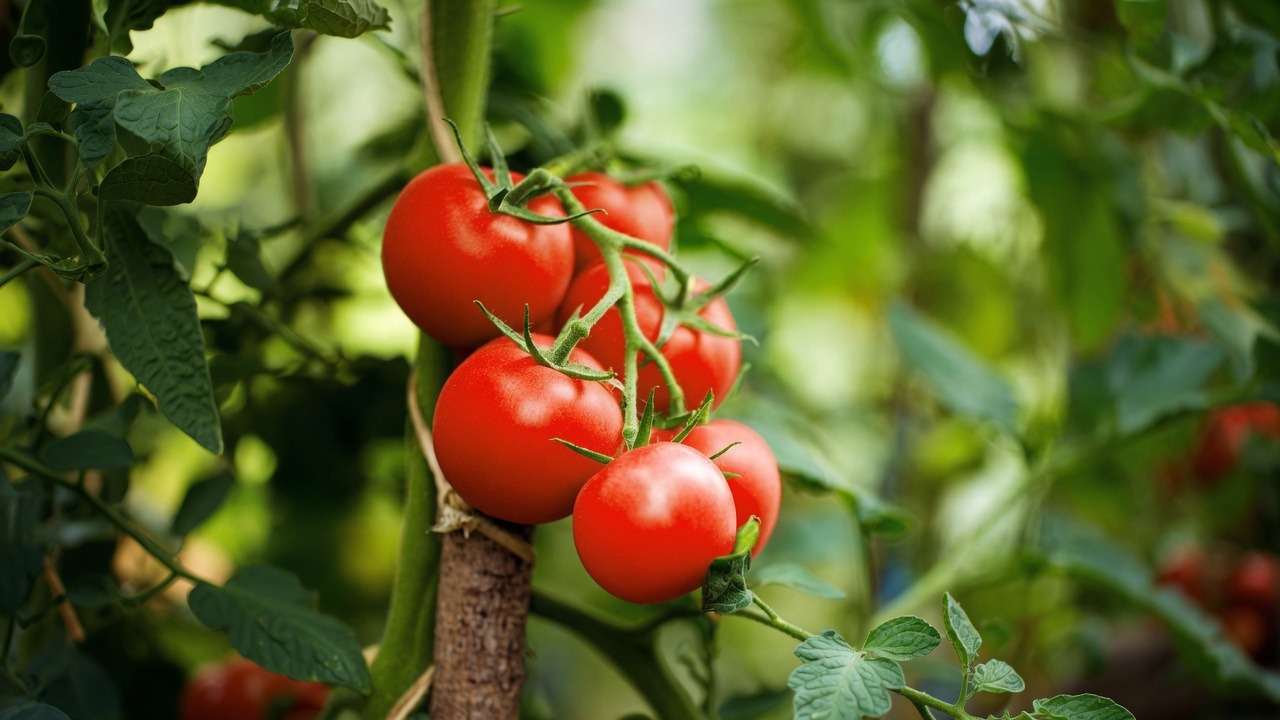
The sudden spike in essential vegetable prices is leaving Niamey’s households grappling with an unexpected financial strain, exposing long-standing weaknesses in agricultural planning and government inaction.
By late July 2026, the cost of staples like tomatoes and cabbage has skyrocketed, pushing many families into food insecurity. While seasonal shifts between local harvests and imports from neighboring countries (Benin, Nigeria, Ghana) are routine, this year’s price surge highlights a critical flaw: it’s not the weather driving the crisis, but a systemic lack of foresight and delayed policy responses.
Why predictable shortages become recurring crises
Every dry season, Niger exports surplus produce, only to face severe shortages during the rainy season when local yields plummet. This cycle repeats annually due to structural gaps:
- Inadequate storage infrastructure: Without cold storage facilities or proper preservation methods, surplus crops from earlier months cannot be stockpiled to stabilize supply year-round.
- Neglected local processing: The absence of industrial or semi-industrial processing plants leaves the country unable to build buffer stocks, particularly for tomatoes.
- Over-reliance on seasonal farming: Domestic production remains exposed to natural cycles instead of being bolstered by modern hydro-agricultural systems capable of year-round cultivation.
What should be a manageable logistical transition has turned into a purchasing power crisis, all because of shortsighted planning and delayed interventions.
Government silence amplifies the crisis
As wholesale prices soar—reaching up to 35,000 FCFA for a basket of Nigerian tomatoes and 25,000 FCFA for cabbage—no urgent measures or public statements have emerged from authorities to:
- Curb speculative pricing in wholesale and retail markets.
- Introduce targeted subsidies or relief mechanisms for vulnerable households.
- Outline a clear strategy to prevent a repeat of this scenario next year.
The lack of official response fosters a sense of resignation toward regional market dynamics, leaving consumers to bear the brunt of rising costs alone.
A call for action before the cycle repeats
Niger’s growing dependence on imports is no accident—it stems from leadership’s failure to establish a reliable agricultural development roadmap. The time has come for decisive action to break this pattern and prioritize a sustainable horticultural policy.