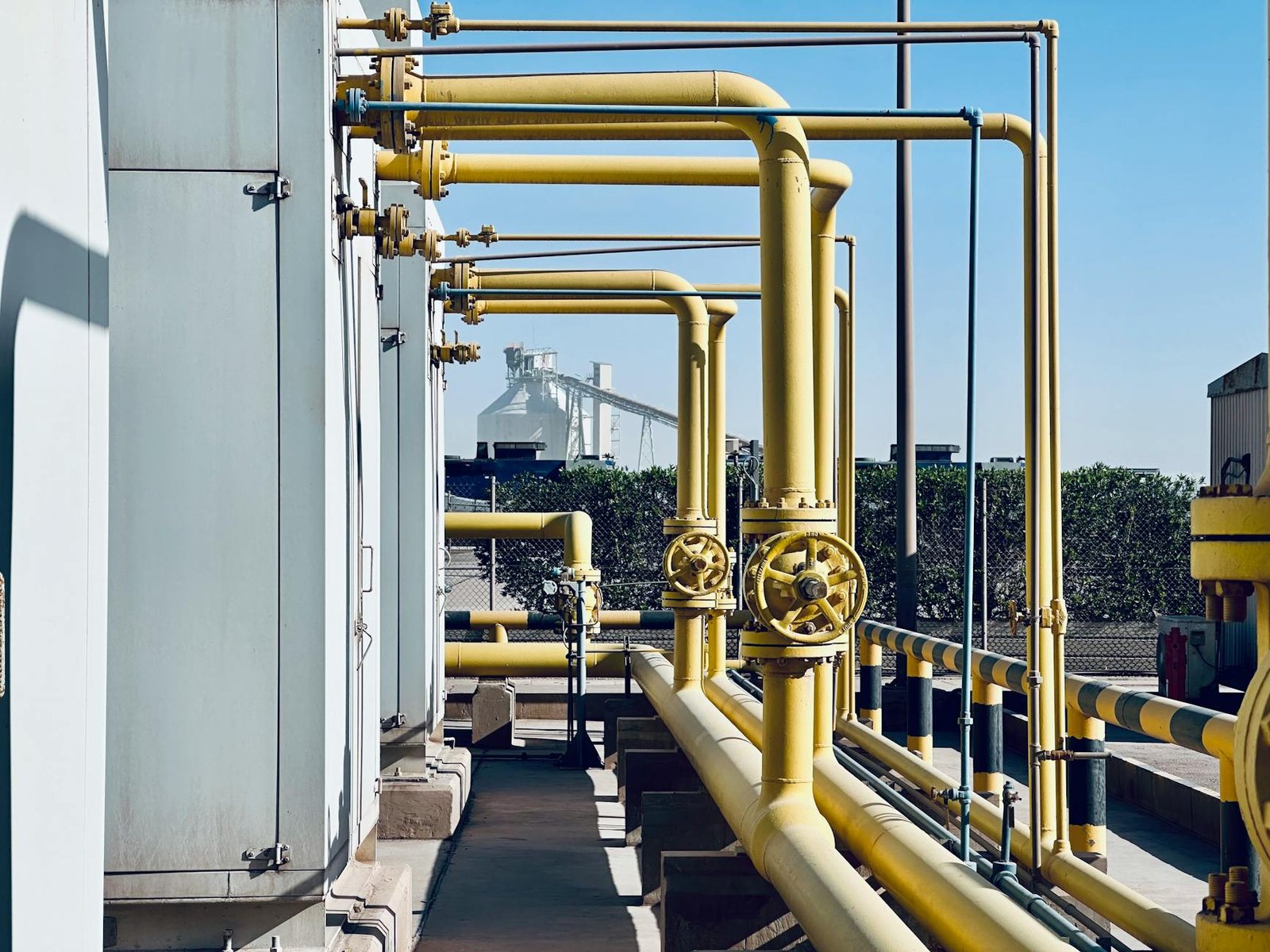
After months of unresolved tensions, Niamey and Chinese oil partners have finalized an agreement to end a dispute that threatened the Nigerien government’s primary revenue source. The deal concludes negotiations with upstream operators and the crude oil pipeline linking Niger’s oil fields to the Atlantic coast, a project critical to the country’s economic outlook.
Disputes escalate under the new leadership
The friction between Nigerien authorities and Chinese oil firms intensified following General Abdourahamane Tiani’s rise to power in July 2023. Several key issues fueled the conflict: financial terms of contracts, tax obligations, local governance of joint ventures, and employment conditions for expatriate staff. The China National Petroleum Corporation (CNPC), a long-standing player in Niger’s oil sector, holds a dominant position in both the Agadem oil block and a majority stake in the pipeline transporting crude to the port of Sèmè in Bénin. This nearly 2,000-kilometer pipeline, operational since 2024, was designed to transform Niger into a net exporter of hydrocarbons. However, political tensions with Bénin—stemming from the 2023 coup and subsequent regional sanctions—disrupted operations early in 2024, leading to the expulsion of multiple Chinese personnel and revocation of work permits.
Niamey also accused its Chinese partners of delaying payments on a $400 million advance tied to future oil sales, further straining the relationship. The standoff risked crippling a sector that had become essential to Niger’s economic stability amid declining support from Western partners.
Behind-the-scenes negotiations yield a breakthrough
Talks, conducted discreetly between officials from Niger’s Ministry of Petroleum and envoys dispatched from Beijing, culminated in a compromise addressing fiscal revisions, rescheduling of reciprocal financial commitments, and updated guidelines for Chinese personnel stationed at production sites. The transitional government framed the resolution as a victory for economic sovereignty, achieved without severing ties with a strategic partner that has invested heavily in the country for nearly two decades.
The timing of the agreement is strategic. With regional instability persisting and Western cooperation largely suspended, Niger’s leadership views the resumption of oil exports as a vital lifeline for short-term macroeconomic recovery. Full-scale exports, however, hinge on two conditions: the normalization of logistical ties with Bénin and the full reactivation of Chinese-operated facilities.
China strengthens its Sahel footprint
For Beijing, resolving the dispute carries implications beyond Niger’s borders. CNPC and its affiliates have poured billions into the country’s oil infrastructure, and a failed resolution could have undermined China’s credibility in other Sahelian nations revising their mining and energy partnerships. Conversely, a negotiated settlement—without rupturing ties with a military-led regime—reinforces China’s narrative as a pragmatic partner, resistant to external interference and capable of equitable engagement with internationally isolated governments.
Yet significant hurdles remain. Until relations with Bénin are fully restored, the pipeline’s throughput will remain well below its 90,000-barrel-per-day capacity. In response, Niamey is exploring alternative routes, including a potential connection through Tchad, though such options remain years from practical implementation. The recent accord with Chinese firms offers temporary relief, but the broader challenges facing Niger’s oil sector persist.