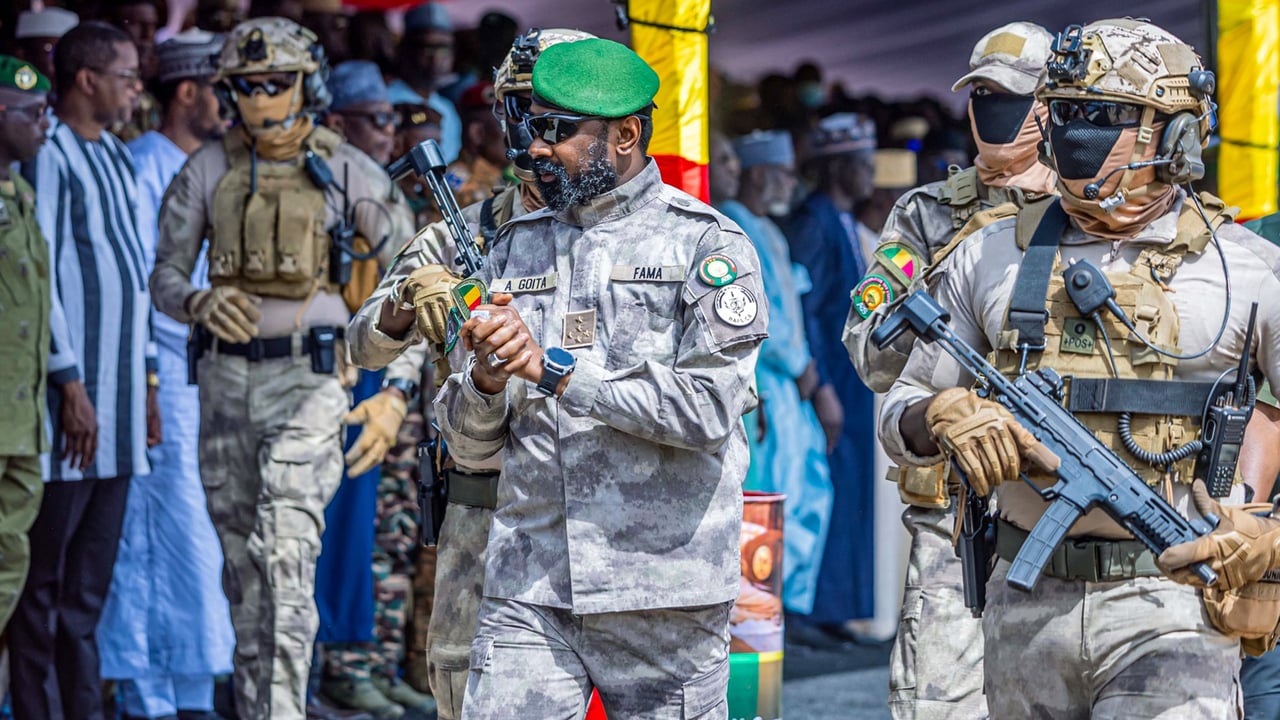

Consolidating Authority in Bamako: The Aftermath of April 25
Following the coordinated assaults on April 25 in Bamako, Assimi Goïta swiftly moved to reinforce his grip on Mali’s transitional government. The incidents, which targeted critical infrastructure, left the nation on high alert and exposed vulnerabilities in security protocols. Within days, the interim leader initiated a series of strategic measures to stabilize the situation and reassert control.
Immediate Responses and Security Overhaul
The transitional president convened emergency sessions with military and intelligence chiefs. A comprehensive review of defense strategies was launched, focusing on countering Jama’at Nusrat al-Islam wal Muslimin (JNIM)—the dominant armed faction operating in the Sahel. Goïta’s administration also announced the deployment of additional troops to high-risk zones, signaling a firm stance against insurgent threats.
Parallel to military actions, the government introduced stricter surveillance protocols in urban centers. Public gatherings were temporarily restricted, and security checkpoints proliferated across key routes in and around Bamako. These steps aimed to dismantle potential sleeper cells and prevent further destabilization.
Political Maneuvering and Institutional Shifts
Beyond military measures, Goïta leveraged the crisis to consolidate political influence. The transitional council, already under his leadership, saw expanded powers granted by legislative decree. Critics argue these moves centralize authority, while supporters claim they are necessary to navigate the country’s precarious security landscape.
Analysts note that the April 25 attacks provided a pretext for Goïta to sideline dissenting voices within the transitional framework. Several high-profile officials, previously critical of his administration’s handling of security, were reassigned to peripheral roles. This reshuffle underscored the president’s resolve to maintain a unified command structure.
Regional Alliances and External Pressures
Mali’s evolving security dynamics have drawn international attention, particularly from Africa Corps and other regional blocs. Discussions with neighboring countries intensified as Bamako sought to align counterterrorism efforts. However, relations with certain foreign partners remain strained, especially amid accusations of external interference in domestic affairs.
President Goïta’s alignment with global actors like Russia—through the Africa Corps partnership—has further complicated Mali’s diplomatic landscape. While these ties offer military support, they also invite scrutiny over sovereignty and long-term strategic dependencies.
Public Sentiment and the Path Forward
Citizens in Bamako remain divided over Goïta’s leadership. Some residents express cautious optimism, citing improved security patrols and a perceived reduction in daily attacks. Others, however, question the transparency of his administration’s decisions, particularly regarding the use of foreign military advisors.
The coming weeks will be pivotal. Will the transitional government succeed in restoring stability, or will the April 25 attacks mark the beginning of a deeper crisis? With regional tensions simmering and insurgent groups regrouping, Mali’s future hangs in the balance.