
Consolidating authority: Mali’s transitional leader moves swiftly after april unrest
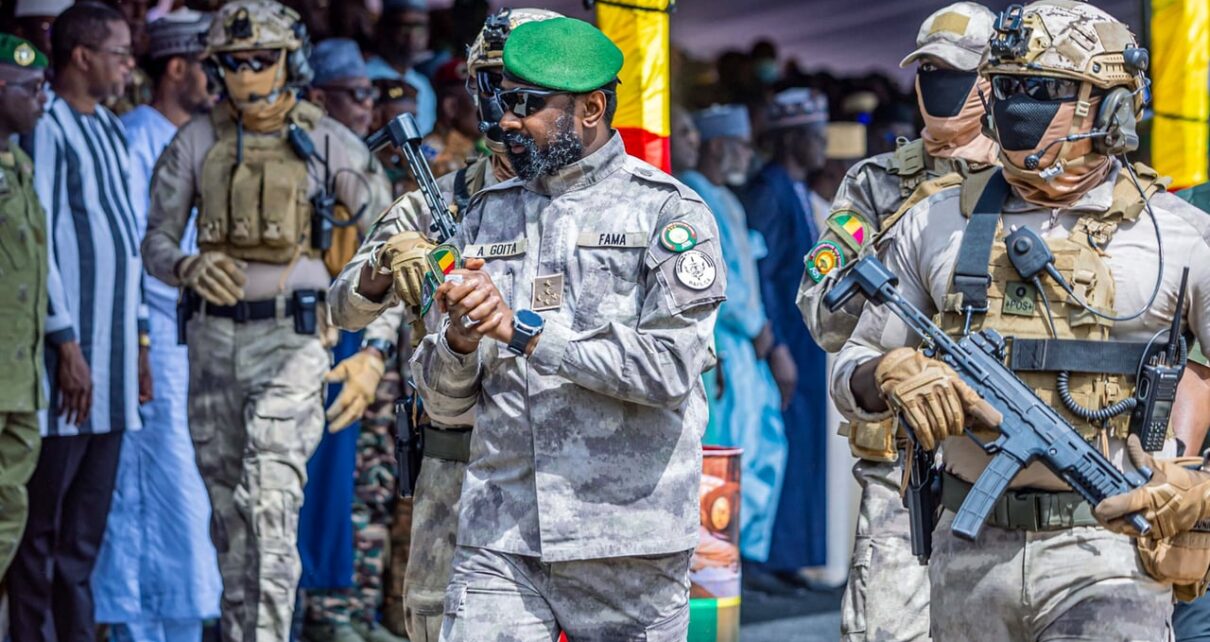
The dramatic events of April 25 in Mali have reshaped the political landscape, thrusting Assimi Goïta into a pivotal moment. Following coordinated attacks that rattled Bamako, the transitional president wasted no time in reshaping the power structure, reinforcing his grip on the reins of government.
Within days, a wave of strategic appointments swept through key institutions, signaling an unmistakable shift. Goïta’s maneuvers have not gone unnoticed, as observers parse each decision for clues about his long-term vision for the nation’s future.
Key appointments and institutional changes
The reshuffle extended across critical sectors, with new faces taking charge in security, defense, and governance. Among the most notable shifts:
- Security sector overhaul: A sweeping reorganization placed loyalists in high-profile roles, aiming to streamline command structures and eliminate dissent.
- Government restructuring: Ministries were realigned, with an emphasis on efficiency and centralized control.
- Diplomatic recalibrations: Foreign policy adjustments underscored a pivot toward new alliances, reflecting Goïta’s evolving priorities.
Public perception and political fallout
The swift consolidation of power has drawn both praise and criticism. Supporters argue that decisive action is essential to stabilize a nation grappling with persistent security threats. Critics, however, warn of an erosion of democratic norms, questioning the transparency of the process.
Public sentiment remains divided. Urban centers like Bamako have seen mixed reactions, from rallies supporting Goïta’s leadership to protests demanding a return to civilian rule. The tension underscores the delicate balance between security and governance in a nation still navigating its post-crisis path.
Military alliances and regional implications
The realignment of military partnerships has drawn international attention. Reports indicate strengthened ties with external actors, a move likely to reshape Mali’s role in regional security frameworks. The Africa Corps’ growing influence, in particular, has become a focal point for analysts monitoring the country’s evolving alliances.
As Mali charts its course forward, the implications of Goïta’s consolidation efforts extend far beyond its borders. The decisions made in Bamako reverberate across the Sahel, influencing neighboring nations wrestling with similar challenges.
The coming months will be critical in determining whether these changes bolster stability or deepen divisions. One thing is clear: Assimi Goïta’s leadership is entering a defining phase, with Mali’s future hanging in the balance.