Niger’s human rights crisis worsens three years after military takeover
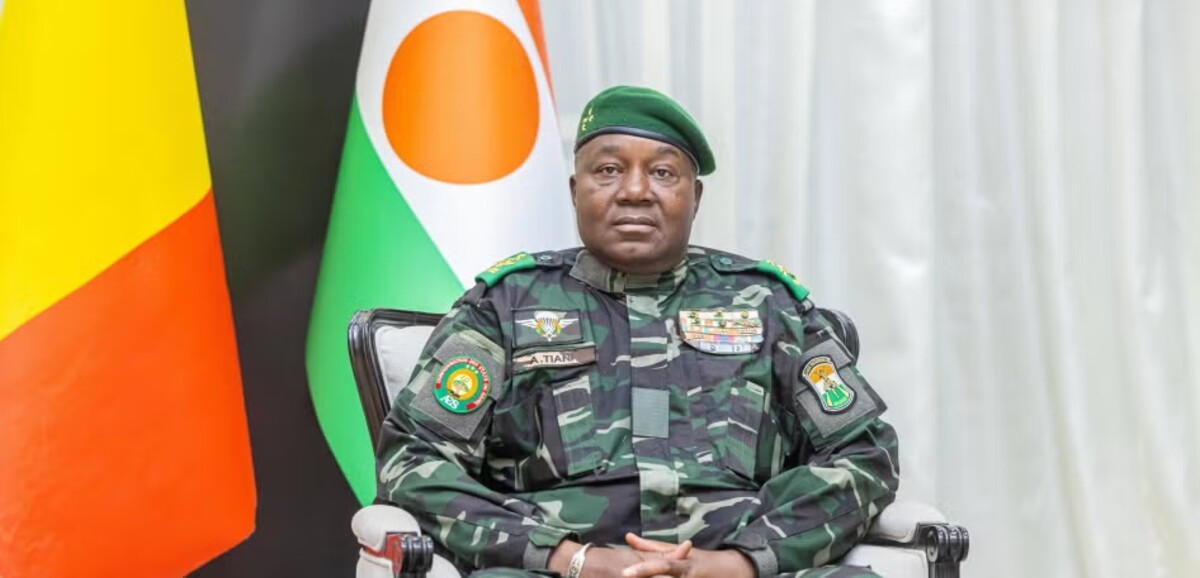
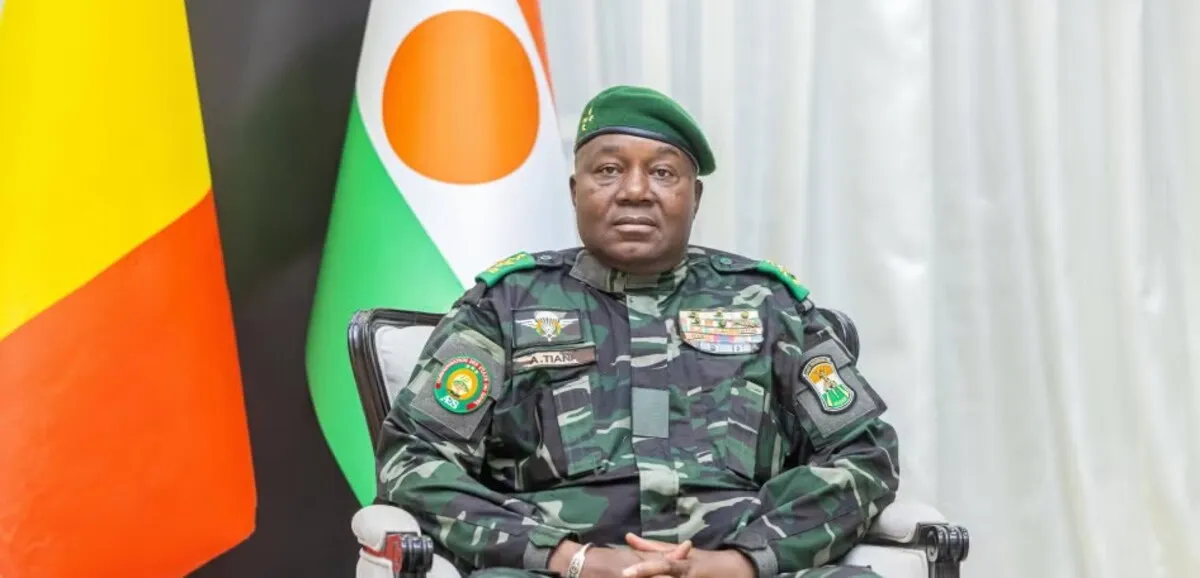
As Niger approaches the third anniversary of the July 26, 2023 coup, a leading international human rights organization has issued a stark warning about the escalating deterioration of civil liberties in the country. The military leadership, headed by General Abdourahamane Tiani, stands accused of systematically dismantling democratic safeguards while intensifying repression across the nation.
Military authorities accused of dismantling democratic institutions
Human rights advocates have documented a deliberate campaign to silence dissent since the junta assumed power. Key institutions that once provided checks and balances have been systematically weakened or eliminated. The crackdown reportedly includes the forced dissolution of opposition political parties, suspension of independent trade unions, and restriction of civil society organizations’ operations.
Journalists face increasing threats, with several detained without formal charges. The military government has also implemented controversial legal measures, including the criminalization of same-sex relationships, which human rights groups argue violates fundamental freedoms.
Political transition stalls while security situation deteriorates
Analysts note that the promised return to constitutional order has been repeatedly delayed, with authorities recently announcing plans to extend their rule for at least five additional years. This prolonged transition period coincides with a sharp decline in national security, as jihadist groups continue their campaign of violence across the Sahel region.
The military’s counter-insurgency operations have come under scrutiny after reports emerged of civilian casualties resulting from a January drone strike that allegedly killed at least 17 people at a local market. Human rights observers warn that such incidents risk alienating local populations who may turn to armed groups for protection.
The withdrawal from the International Criminal Court further compounds concerns about accountability. Analysts argue that this decision removes a critical avenue for victims of human rights abuses to seek justice against military leaders who may be responsible for violations.
Key concerns highlighted by human rights monitors:
- Systematic erosion of democratic institutions
- Arbitrary detention of journalists and activists
- Expansion of authoritarian policies
- Increased civilian casualties in counter-terrorism operations
- Withdrawal from international accountability mechanisms