Niger faces worsening human rights crisis under military rule
As the July 26 coup anniversary approaches, international scrutiny intensifies.
Military authorities accused of expanding repression and dismantling democratic safeguards
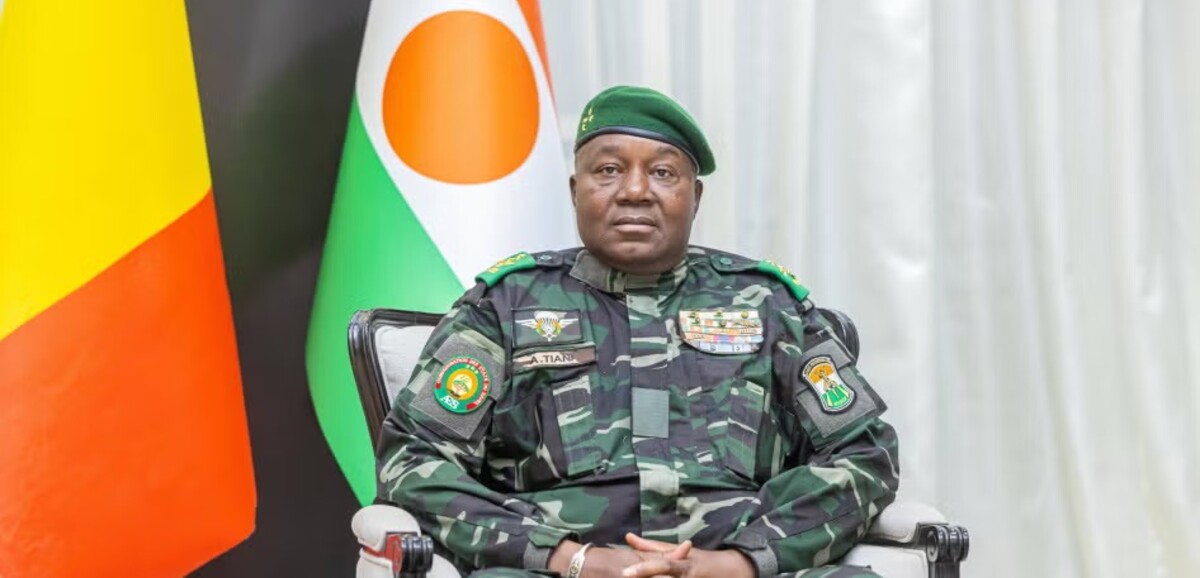
With the third anniversary of Niger’s July 26, 2023 military takeover looming, a leading human rights organization has issued a stark warning about the country’s deteriorating rights landscape. According to the latest assessment, the transitional authorities—led by General Abdourahamane Tiani—have systematically dismantled checks on executive power while rolling back fundamental freedoms.
The report highlights several alarming developments:
- Institutional erosion: Independent oversight bodies have been systematically weakened, opposition parties dissolved, and civil society organizations suspended under sweeping restrictions.
- Media crackdowns: Journalists face routine detention and legal harassment for reporting on sensitive topics.
- Legal restrictions: Recent legislation has criminalized same-sex relationships, introducing severe penalties that Human Rights Watch warns could entrench discrimination.
Uncertain transition fuels rights concerns amid ongoing insecurity
Human Rights Watch also highlights the absence of a credible electoral timeline, with authorities indicating the military could remain in power for at least five more years. This prolonged transition period coincides with a security crisis that has plagued Niger for over a decade, as jihadist groups continue to destabilize large swathes of the country.
The organization points to recent counterinsurgency operations that have resulted in civilian casualties, including a January drone strike on a market that reportedly killed at least 17 non-combatants. Such incidents, the report argues, underscore the risks of unchecked military authority and the erosion of accountability mechanisms.
Another contentious move—Niger’s withdrawal from the International Criminal Court—has further diminished avenues for holding officials accountable for alleged rights violations. Analysts warn this decision could embolden further abuses by shielding authorities from international scrutiny.
Civil society under siege
The crackdown extends beyond formal institutions. Independent media outlets have been shuttered, whistleblowers face reprisals, and grassroots organizations report systematic exclusion from public life. Human rights defenders describe a climate of fear where dissent is increasingly perilous, and legal recourse for victims of state overreach has virtually vanished.
As the military consolidates control, critics warn that Niger’s democratic aspirations are fading, replaced by a system where coercion and impunity prevail. The coming months will be critical in determining whether international pressure can reverse the tide—or if the country’s rights crisis will deepen further.