Niger’s healthcare breakthrough aims to end reliance on foreign medical evacuations
Niger is charting a bold new course in healthcare by drastically reducing its dependence on costly medical evacuations abroad. Under the leadership of Public Health and Hygiene Minister, Colonel-Major Garba Hakimi, the nation is investing heavily in advanced medical infrastructure to treat more patients domestically. This strategic shift promises to transform healthcare delivery nationwide.
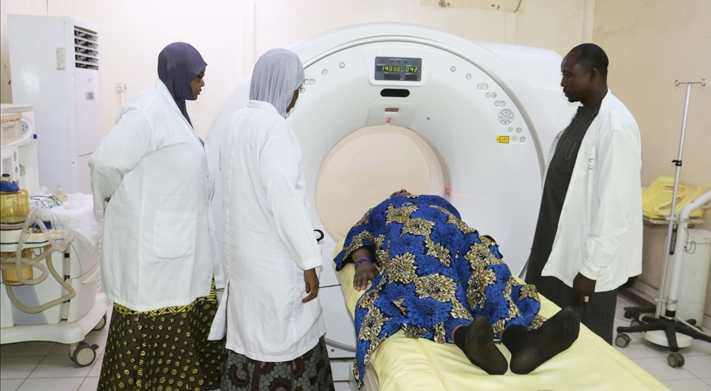
The cornerstone of this transformation lies in the acquisition of cutting-edge medical equipment: 64-slice CT scanners, MRI machines, and linear accelerators for radiotherapy. The treatment of cancer patients exemplifies this progress. For the first time, Niger now possesses all three critical components of cancer care—surgery, chemotherapy, and radiotherapy—eliminating the need for expensive foreign medical evacuations that were previously out of reach for many families.
Cardiology has also seen remarkable advancements, with complex cardiac surgeries now performed locally at a fraction of the cost of treatment abroad. This achievement marks more than just a medical milestone; it represents a fundamental shift in how Niger addresses previously outsourced medical challenges.
The impact of this healthcare revolution extends beyond clinical excellence. By reducing reliance on foreign evacuations, the initiative significantly eases the financial burden on families while making specialized care more accessible. It also strengthens national medical expertise and reinforces Niger’s healthcare sovereignty.
While a complete end to medical evacuations remains unrealistic—some highly specialized cases will still require treatment abroad—the trajectory is unmistakable. Niger is systematically building the capacity to care for patients who would have once needed overseas treatment. The message is clear: the future of Niger’s healthcare lies within its own borders.