Niger healthcare transformation lowers need for foreign medical evacuations
Strategic investments in healthcare infrastructure are reshaping Niger’s medical landscape. Under the leadership of Health and Public Hygiene Minister Colonel-Major Garba Hakimi, the country is systematically reducing its reliance on costly and logistically complex medical evacuations abroad by strengthening domestic capacity.
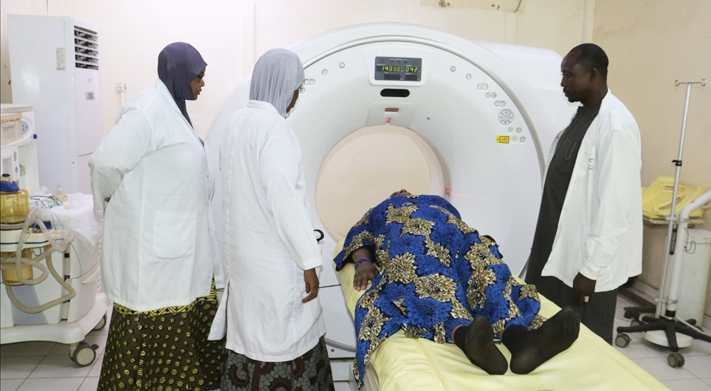
The initiative centers on acquiring advanced medical technology, including 64-slice CT scanners, MRI machines, and linear accelerators for radiotherapy. These upgrades have revolutionized cancer treatment in Niger. With all three essential components—surgery, chemotherapy, and radiotherapy—now available locally, patients no longer face the financial and accessibility barriers of overseas care.
A new era in specialized care
Cardiology has also seen a major breakthrough, with open-heart surgery now performed in Niger at a fraction of the cost of foreign alternatives. This shift represents more than just medical progress; it signals a fundamental change in how Niger addresses complex health challenges.
Socio-economic ripple effects
The benefits extend beyond clinical outcomes. By reducing expenditures on foreign medical care and easing the financial burden on families, this initiative enhances healthcare accessibility across the country. It also fosters national expertise and bolsters the nation’s healthcare sovereignty, positioning Niger as a leader in self-sufficient medical care.
While highly specialized cases may still require evacuation, the trajectory is unmistakable: Niger is building a future where most advanced treatments are available within its own borders. The message is clear—more patients will receive the care they need at home, without the need for overseas intervention.