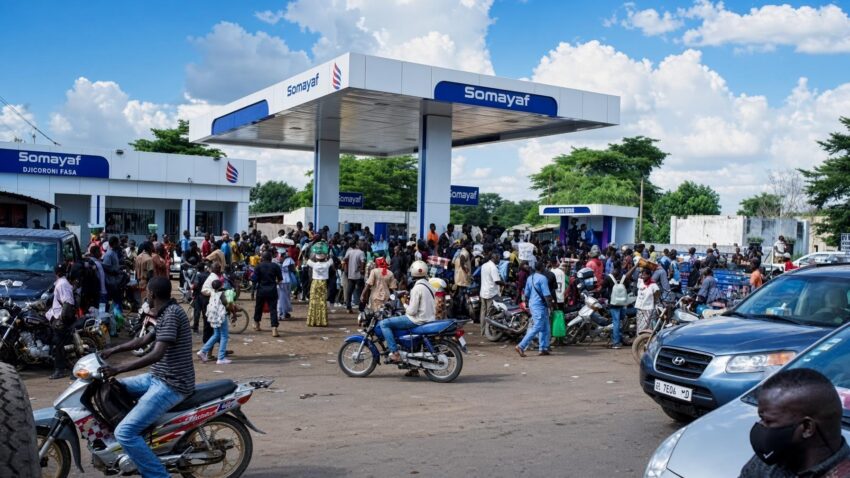
The Nigerian government is taking drastic steps to tackle a worsening fuel crisis that is crippling the nation’s economy and daily life. New emergency regulations, introduced in October 2026, force most petrol stations to close between 9 PM and 6 AM and ban the sale of fuel in jerry cans. While authorities claim these measures will improve supply, early evidence shows they are pushing citizens to the breaking point.
The human cost of nighttime fuel bans
With stations dark from early evening through dawn, drivers and small business owners face a harsh reality: fewer hours to refuel means longer waits, higher stress, and lost income. The official rationale is to clear the way for tanker trucks from the Société Nigérienne de Pétrole (SONIDEP) to fill underground storage tanks overnight. Yet in practice, daily commuters and shopkeepers are left scrambling during peak hours, creating massive queues under the scorching sun.
Though the government has pledged to designate emergency service stations in every municipality, details remain vague. Questions linger: Which stations qualify? How much fuel can they dispense? And can they truly meet demand when millions of drivers alter their schedules to fit the new rules?
Bidding farewell to jerry can sales: a risky crackdown
The ban on jerry cans is the second pillar of the government’s plan. Authorities argue that unregulated sales fuel artificial shortages and price gouging. However, this ignores the harsh truth that many Nigeriens rely on informal fuel trade because the formal system fails to deliver consistently. In towns and villages outside the capital, roadside vendors fill the gaps, providing a lifeline when official pumps run dry.
Now, security forces are actively enforcing the jerry can ban, targeting informal sellers and their customers. By criminalizing supply gaps instead of solving them, the state places the burden of the crisis on ordinary people rather than fixing the broken distribution network.
Why these measures could backfire
The government frames these measures as a short-term fix developed in consultation with SONIDEP, Niamey officials, and local leaders. It calls for public patience and discipline, asking citizens to adapt to a system that cannot reliably meet their fuel needs. Yet without deeper reforms—such as expanding reserve stocks or improving delivery logistics—these restrictions risk becoming a permanent headache rather than a temporary solution.
As anticipation grows that scarcity and speculation will persist, Nigerien families and entrepreneurs are left wondering: Is this plan about solving the crisis or just shifting blame?
What comes next for Niger’s fuel future
At its core, the current approach relies on control rather than improvement. While cracking down on nighttime sales and jerry cans may reduce some illegal trade, it does nothing to enhance the national fuel supply or guarantee fair access. Until authorities address the root causes—weak logistics, insufficient reserves, and chronic delays in delivery—citizens will continue to bear the brunt of a flawed system.
The question now is whether Niger can transition from punitive measures to meaningful reform before the situation deteriorates further.
