Niger’s strategic pivot puts regional powers on alert
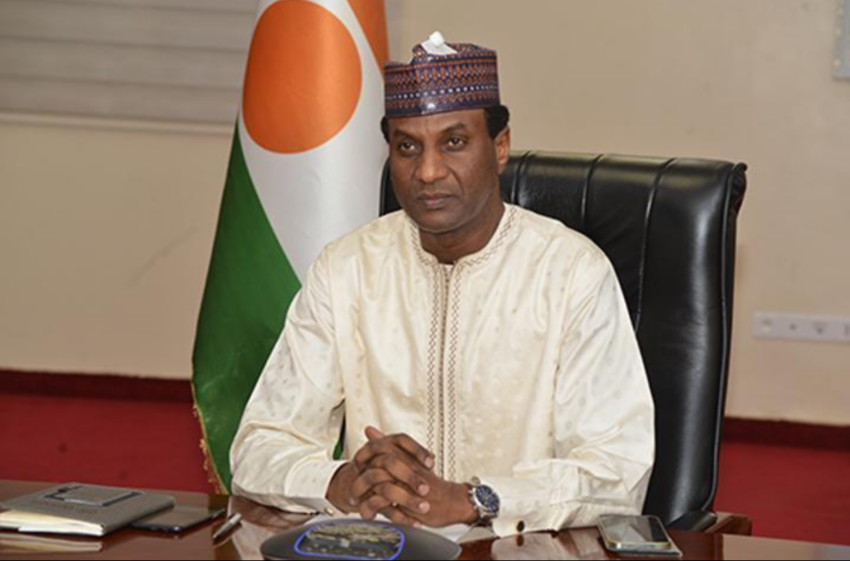
A bold visit by Niger’s Prime Minister Ali Mahaman Lamine Zeine to Benghazi on November 1st, and the subsequent signing of a strategic cooperation protocol with eastern Libyan authorities, have sent shockwaves through a region already grappling with shifting security dynamics. While framed as a diplomatic initiative, this move may have far-reaching consequences for delicate power balances across the Sahel.
The gathering in Benghazi was more than just a ceremonial event. Saddam Haftar, Deputy Commander of the Libyan National Army, and Osama Hammad, Head of the Government of National Stability in eastern Libya, extended a clear political gesture—a signal that could reshape alliances in a fragile geopolitical landscape. But this gesture comes at a critical juncture, one where military movements and competing influence claims are realigning the map of the Sahara.
Algeria’s military expansion into Niger sparks regional tension
On October 25th, Algeria’s Parliament approved the deployment of units from its National People’s Army (ANP) into Niger—an unprecedented move that breaks from the country’s long-standing policy of non-intervention beyond its borders. Officials in Algiers cite the protection of economic and energy interests, particularly oil investments and the proposed Trans-Saharan Gas Pipeline, as key drivers behind this decision.
Yet behind the economic rationale lies a deeper security concern: Algeria is seeking to assert control over the vital corridors linking the Maghreb to the Sahel. The newly established base in Madama, located in northeastern Niger near the Libyan border, is a clear example of this strategic repositioning. Its proximity to southern Libya places Algeria in a prime position to monitor armed group movements and counter cross-border threats.
But this deployment is not without risk. It coincides with the growing influence of Khalifa Haftar’s forces in southern Libya—a development that Algerian authorities view with increasing unease. The fear is that a strengthened Haftar presence in the Sahel could limit Algeria’s ability to shape security outcomes in the Sahara, especially when routes are shared and loyalties are divided.
The tri-border region becomes a flashpoint of competing interests
The tri-border area where Niger, Libya, and Algeria meet is a region of high stakes. It functions as both a transit zone for people, goods, and armed factions and a strategic crossroads for military and political influence. The growing presence of Haftar-affiliated forces in southern Libya—alongside reports of support for anti-government militant groups—has intensified concerns in Algiers.
For Niger, this territory is not just a borderland—it is a pressure point. The country’s fragile internal stability is under constant threat from extremist violence and cross-border smuggling. By engaging with eastern Libyan authorities, Niamey seeks to diversify its partnerships and bolster security along its southern flank. Yet doing so requires delicate navigation: aligning with one regional power could provoke reactions from another, especially when Algeria perceives any shift as a direct challenge to its strategic interests.
Can Benghazi counter Algiers? The evolving face of Sahel power struggles
The diplomatic rift between Algeria and the Haftar faction is no secret. Algiers has traditionally backed Libya’s internationally recognized Government of National Accord (GNA) in Tripoli, advocating for a negotiated solution to the Libyan crisis. In contrast, Benghazi has forged its own regional alliances, including growing ties with Niger. This divergence in approach has fueled suspicion in Algiers, which now sees Haftar’s advances as an attempt to curb or counter Algerian influence in the Sahel.
The cooperation protocol signed in Benghazi could represent a significant step forward. If implemented, it may open doors to deeper military, economic, and security collaboration between Niger and eastern Libya. However, details remain undisclosed. Speculation about a formal anti-Algerian military pact is premature, but the very act of deepening ties sends a message: the balance of power in the region is far from settled.
Niger walks a tightrope between two competing powers
For Niger’s leadership, the challenge is clear: preserve national sovereignty amid escalating regional tensions and terrorist threats. By cultivating relationships with both Algiers and Benghazi, Niamey hopes to avoid total dependence on one partner and retain strategic flexibility. Yet this balancing act is fraught with danger.
Algeria’s presence in northern Niger and Haftar’s influence in the south create a pincer-like pressure on the country. Should tensions escalate, Niger risks becoming a proxy battleground where foreign military posturing—not local needs—dictates outcomes. The Benghazi protocol, far from being a simple diplomatic arrangement, may be Niger’s attempt to assert agency in a geopolitical storm it cannot control.
A new era of indirect confrontation unfolds in the Sahara
One thing is certain: the rivalry between Algiers and the Haftar faction is no longer confined within Libya’s borders. It has spilled into the deserts of the Sahel, where porous borders, shifting loyalties, and high-stakes energy corridors create a volatile mix. The Niger-Libya partnership, though still in its early stages, signals a broader trend: strategic cooperation is rapidly becoming a tool of competition.
As southern Libya becomes a hub for Haftar’s expansion and northern Niger hosts Algerian troops, the desert once again takes center stage—not merely as a landscape, but as the stage for a silent war of influence. In this environment, every diplomatic signature, every troop movement, and every alliance could tilt the scales in a conflict where the real cost is borne by the citizens of the Sahel.