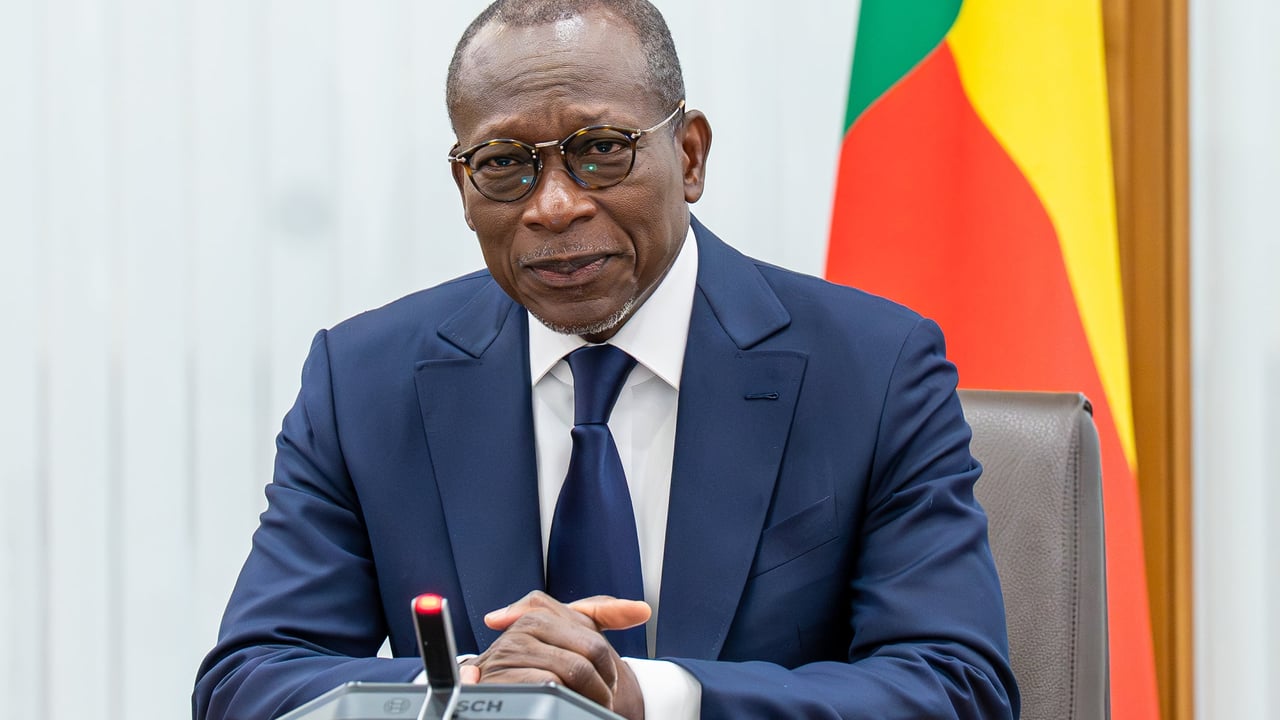

On December 7, 2025, a dramatic turn of events unfolded in Cotonou, Benin. Early that morning, mutinous soldiers stormed national television to announce they had overthrown President Patrice Talon. Yet by day’s end, the attempted coup had collapsed, thwarted by loyalist forces backed by the national army. Just days later, on December 13, hundreds of people—mostly young citizens—gathered in the streets to protest the brief insurgency, demonstrating their support for democratic governance and constitutional order.
Patrice Talon: a political outlier in West Africa
Patrice Talon has repeatedly distinguished himself as an atypical figure in African politics. Since assuming office in 2016, he has implemented sweeping reforms aimed at modernizing Benin’s economy, combating corruption, and fostering transparency. His leadership style contrasts sharply with regional norms, earning him both admiration and criticism. While many African leaders cling to power through constitutional amendments or extended mandates, Talon has voluntarily stepped down after two terms, setting a rare precedent on the continent.
Key reforms under Talon’s administration
- Economic diversification: Reduced reliance on traditional sectors like cotton by investing in digital infrastructure and renewable energy.
- Anti-corruption measures: Strengthened judicial independence and launched high-profile prosecutions against officials accused of embezzlement.
- Constitutional commitment: Pledged not to seek a third term, reinforcing democratic principles despite internal and external pressures.
What the coup attempt reveals about Benin’s stability
The December 7 insurgency exposed vulnerabilities within Benin’s security apparatus but ultimately highlighted the country’s resilience. The swift response from the military and public condemnation of the coup underscored widespread rejection of unconstitutional power grabs. Analysts suggest the failed attempt may have been driven by disgruntled factions within the armed forces or economic grievances rather than broad societal support.
For Patrice Talon, the episode reinforced the need for continued security sector reforms and inclusive governance. His administration has since intensified dialogue with civil society and opposition groups to address underlying tensions and prevent future instability.
Why Patrice Talon stands out in African leadership
Talon’s presidency is often cited as a model of pragmatic leadership in a region where political transitions are frequently turbulent. His focus on economic pragmatism over populism has drawn comparisons to leaders like Paul Biya in Cameroon and Alassane Ouattara in Côte d’Ivoire, though his commitment to term limits sets him apart. Observers note that Talon’s approach prioritizes long-term stability over short-term political gains—a strategy that resonates with younger demographics eager for change.
As Benin continues to navigate regional challenges—from jihadist threats in the Sahel to economic pressures from global markets—Talon’s leadership remains a subject of intense scrutiny. Will his reforms endure beyond his presidency? Can Benin maintain its democratic trajectory amid rising instability? These questions loom large as Africa’s political landscape evolves.