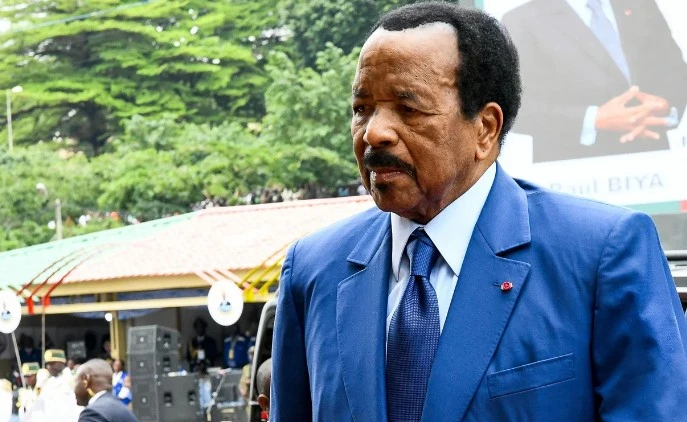
For 49 consecutive days, Cameroon’s President Paul Biya has remained away from the country, a duration matching his longest absence this year. Departing on June 7 for a private trip to Europe, the 93-year-old leader has not made a public appearance since. In newsrooms across Yaoundé, the clock is ticking—and so is the unease.
Echoes of 2024’s pattern
Reports suggest President Biya is currently staying at a Geneva hotel, much like last year. The government has moved quickly to dismiss rumors. On June 18, Communication Minister René Emmanuel Sadi denied claims that the president was hospitalized in a Geneva clinic.
Yet, without recent images or videos to back up the denial, skepticism lingers. The lack of visual proof only deepens the mystery.
During a Sunday appearance on the Droit de Réponse program on Equinoxe TV, RDPC activist Lucien Bidima claimed to have visited Biya at Geneva’s InterContinental Hotel. He described the president as “in excellent health, fully engaged in work.” However, no photographs or footage accompanied his statement—a detail that raises questions about its credibility.
A shifting dynamic around Chantal Biya
What sets this absence apart is the growing role of First Lady Chantal Biya. Multiple reports indicate she is taking on a more prominent role in state affairs, with her name even circulating in discussions about key appointments. Her consistent presence alongside the president during Swiss visits fuels speculation that access to Cameroon’s leader now passes through her.
The absence of a vice president adds another layer of concern. Should the presidency fall vacant, Senate President Aboubakary Abdoulaye would step in under constitutional provisions. Yet this scenario has never been tested under such circumstances, unsettling both political observers and the public. Whether this prolonged absence marks a turning point or just another fleeting chapter in Biya’s tenure remains uncertain—but the tension gripping the nation shows no sign of easing.