Niger’s press freedom under threat: journalists face arrests and disappearances
The landscape for journalism in Niger has grown increasingly perilous in recent months. Reports of enforced disappearances, arbitrary detentions, and regulatory crackdowns have intensified concerns about the state of press freedom in the country following the 2023 coup d’état.
Moussa Kaka’s disappearance sparks urgent questions
Journalist Moussa Kaka, known for his work with Radio-Télévision Saraounia (RTS), has been missing since late August. His last confirmed sighting was at the RTS studios in Niamey on August 31, shortly before a violent mutiny unfolded in the capital. International human rights organizations and press freedom advocates have called on Niger’s authorities to provide clarity on his whereabouts and ensure his safety.
Government crackdown fuels press freedom crisis
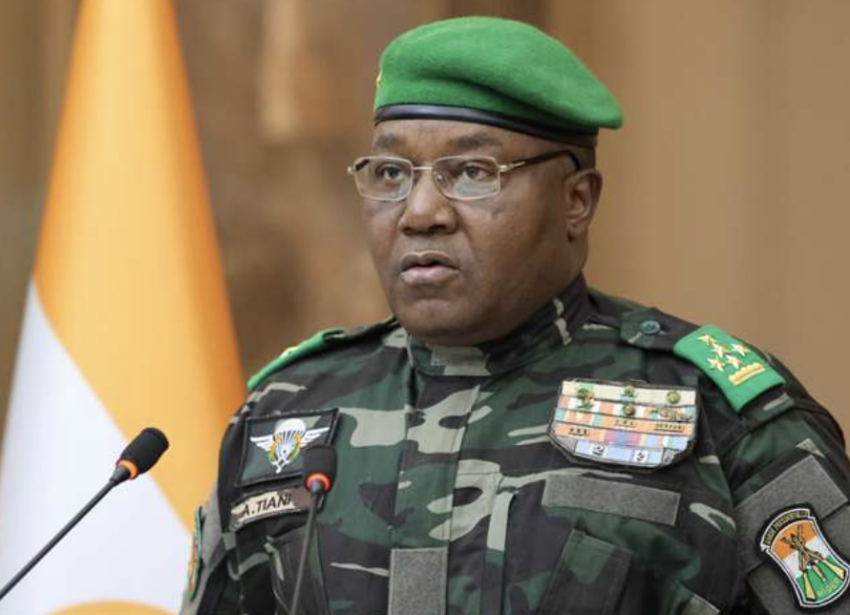
Since the military takeover led by General Abdourahamane Tiani, media organizations have faced escalating restrictions. Reporters Without Borders (RSF) reported that Niger dropped 37 places in its 2026 World Press Freedom Index, now ranking 120th out of 180 countries. The situation has further deteriorated with the suspension of nine French media outlets by the National Observatory of Communication.
Arrests of journalists have become alarmingly frequent. Ibro Chaibou, RTS news editor, was detained in October 2025 under cybercrime laws before being released. In 2023, investigative journalist Samira Sabou was held in secret detention for eight days on charges related to publishing data deemed harmful to public order.
Regulatory tightening and economic strain squeeze media
Beyond legal harassment, media outlets are grappling with severe financial instability. On September 10, the Council of Ministers introduced two new bills aimed at tightening oversight of online media and foreign correspondents. Analysts warn these measures are part of a broader trend of shrinking civic space in Niger.
Reporters Without Borders has described the current environment as “one of the most oppressive for journalism in West Africa,” urging international bodies to intervene and protect journalists operating in the country.
As Niger navigates its post-coup transition, the future of independent journalism hangs in the balance. The disappearance of Moussa Kaka and ongoing repression signal a troubling descent into media censorship and state control.